Dental Health · 5 min read
How Long Do Porcelain Veneers Last? What Every Patient Should Know
Porcelain veneers can last 10–20 years with the right care. What affects their lifespan, how to protect them, and when a replacement is due.
Reviewed by Dr. Elias Abou Tayeh, DDS
What Are Porcelain Veneers?
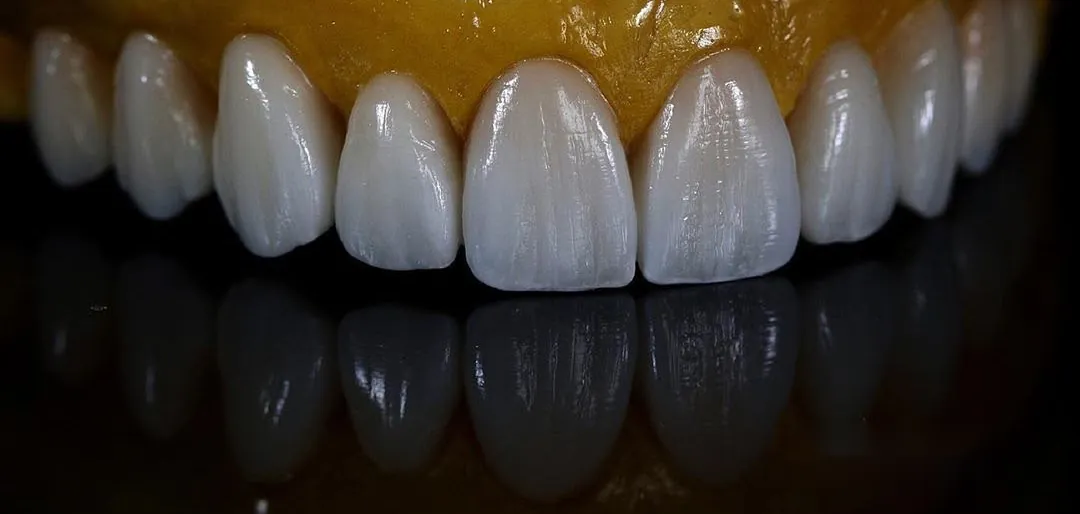
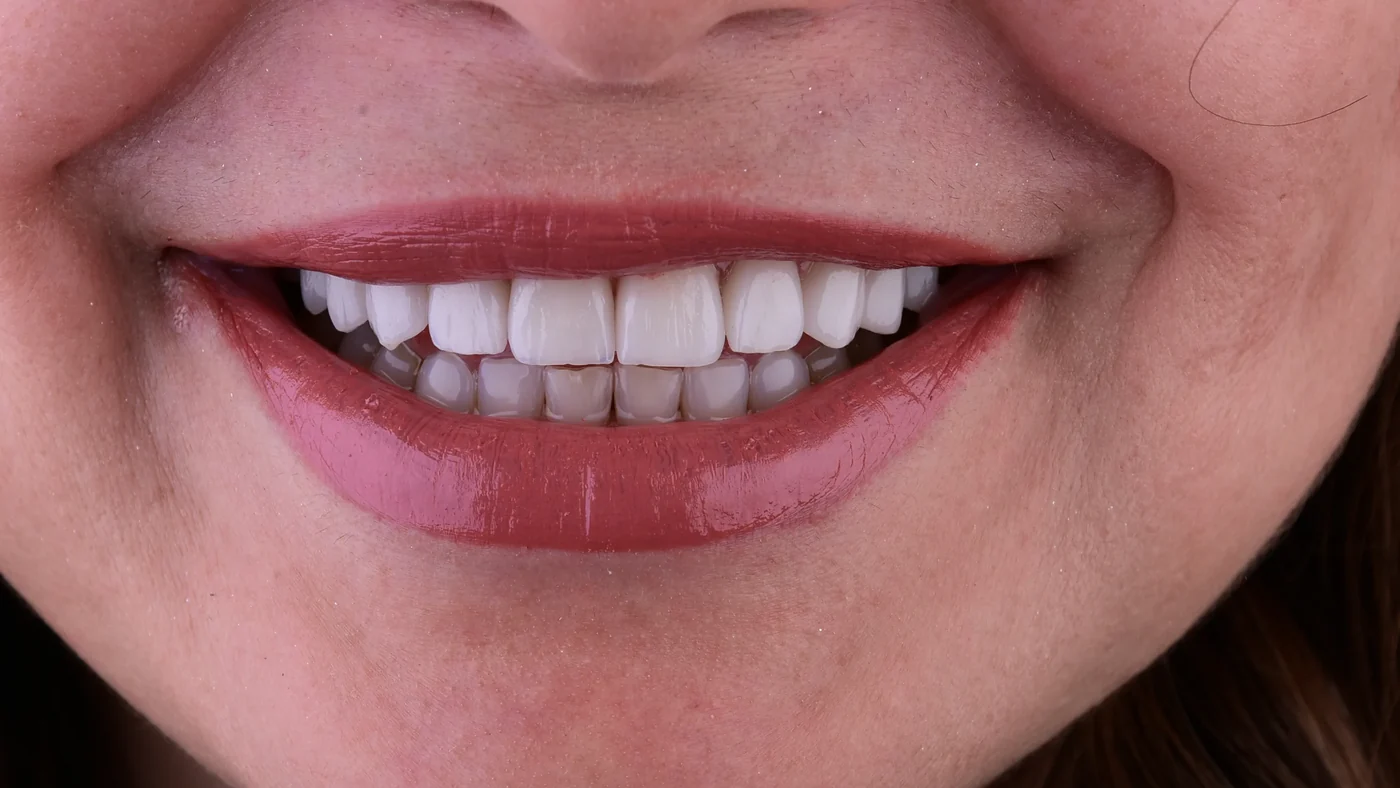
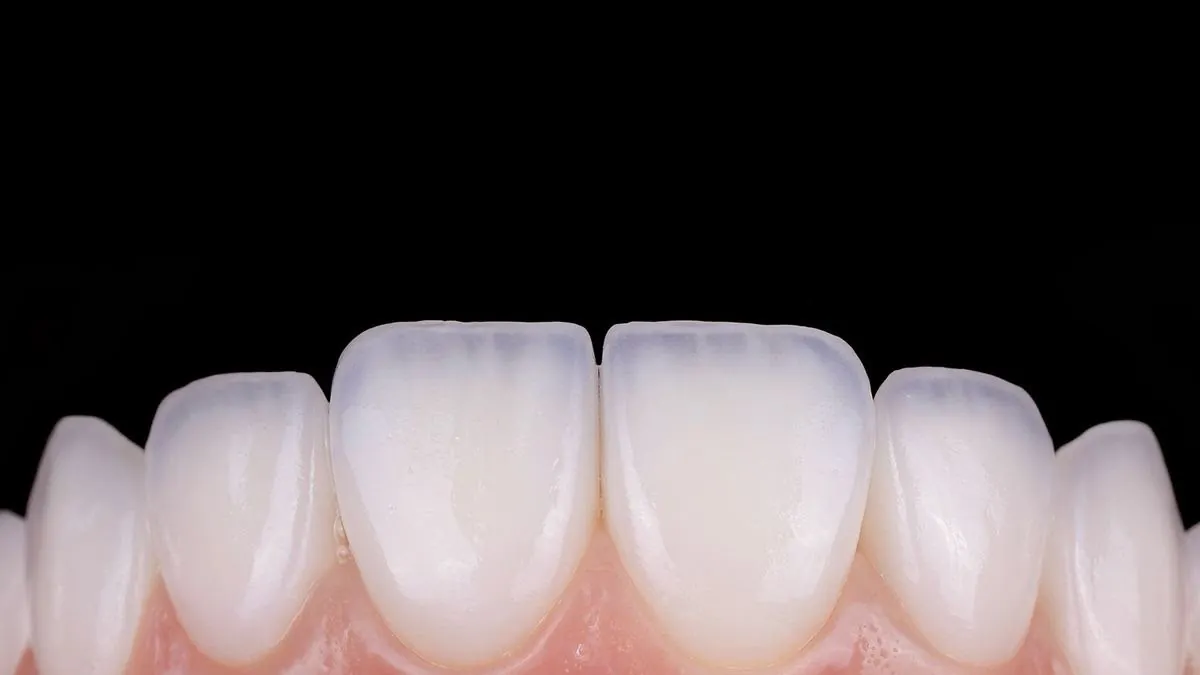
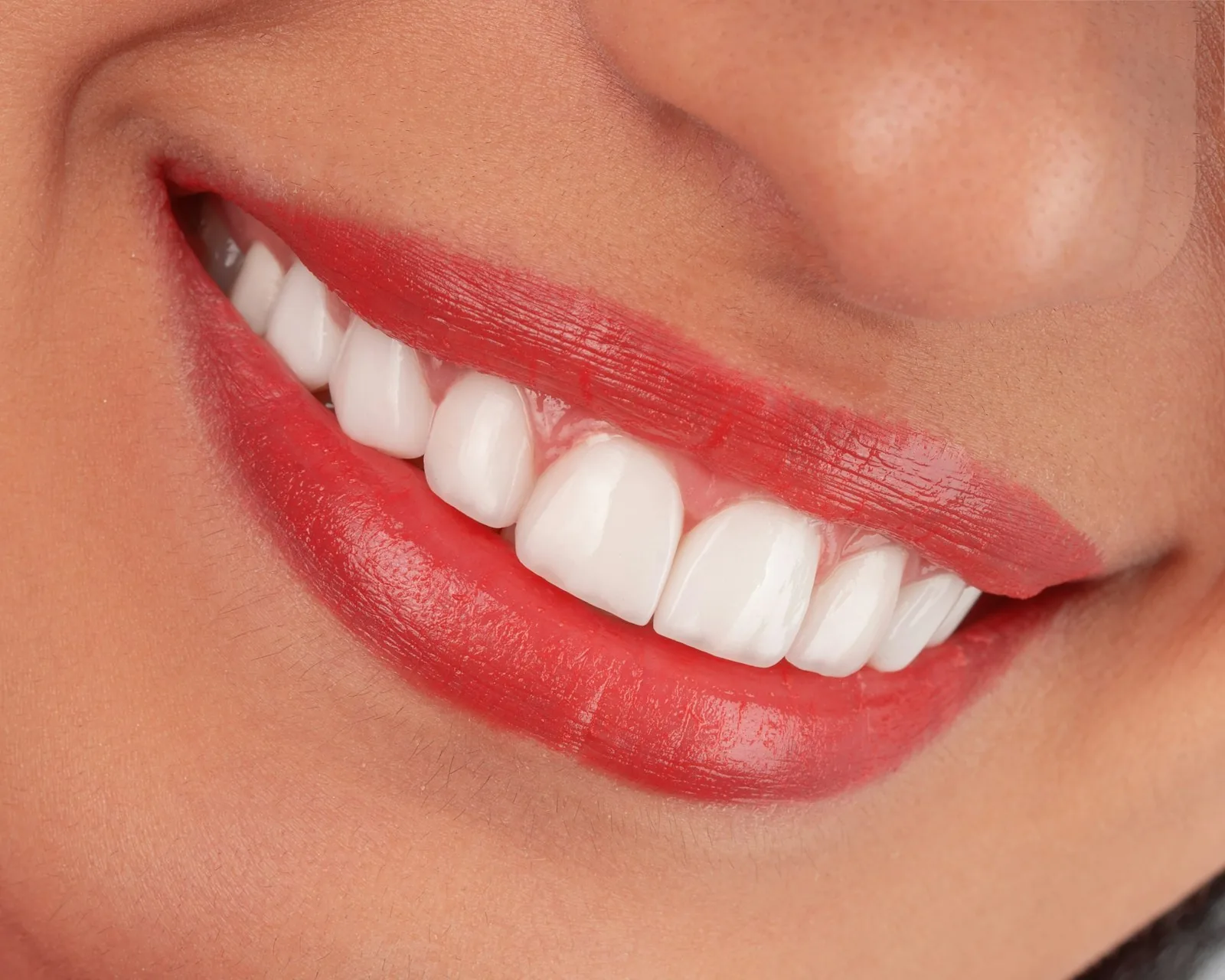
Porcelain veneers are wafer-thin ceramic shells custom-made to cover the front surface of your teeth. They are one of the most versatile tools in cosmetic dentistry — correcting discolouration, chips, cracks, uneven shapes, and minor alignment issues in as few as two or three visits.
How Long Do Porcelain Veneers Last?
With proper care, high-quality porcelain veneers typically last 10 to 20 years — and in many cases longer. The lifespan depends on the quality of materials used, the precision of the bonding process, and how well you maintain them at home.
Composite veneers, by comparison, tend to last 5 to 7 years before needing replacement or touch-up. Porcelain is significantly more durable, stain-resistant, and better at mimicking the light-reflecting properties of natural enamel.
What Affects the Lifespan of Your Veneers?
Several factors influence how long your veneers will last:
- Material quality: Premium European porcelain has a denser structure and better colour stability than lower-grade ceramics.
- Bonding technique: Proper tooth preparation and adhesive application are critical. Poor bonding can cause veneers to chip or detach prematurely.
- Bite alignment: If there is excess pressure on the veneers — from a misaligned bite, grinding, or clenching — they will wear faster.
- Oral hygiene: Veneers themselves do not decay, but the underlying tooth and gum margins require consistent brushing and flossing.
- Diet and lifestyle habits: Biting hard objects, chewing ice, or frequent consumption of acidic foods can reduce veneer longevity.
Signs Your Veneers May Need Replacing
Even with great care, veneers will not last forever. Watch for these signs that it may be time for a replacement or repair:
- Visible chips, cracks, or rough edges
- Dark lines at the gum margin, often a sign of receding gums exposing the tooth root
- Sensitivity or discomfort that was not present before
- Colour mismatch between the veneer and surrounding teeth
- A veneer that feels loose or has partially detached
How to Make Your Porcelain Veneers Last Longer
Most veneer longevity is within your control. Follow these care guidelines to maximise how long your veneers stay pristine.
1. Maintain a Consistent Oral Hygiene Routine
Brush twice a day with a non-abrasive fluoride toothpaste and a soft-bristle brush. Floss daily — the gum margin around each veneer must remain healthy to preserve the bond and protect the underlying tooth.
2. Avoid Biting Hard Objects
Porcelain is strong but not indestructible. Avoid biting your nails, chewing ice, cracking nuts, or using your teeth to open packaging. These habits are among the most common causes of veneer fractures.
3. Wear a Night Guard If You Grind Your Teeth
Bruxism — tooth grinding during sleep — is one of the fastest ways to damage veneers. If your dentist identifies signs of grinding during your consultation, a custom-fitted night guard is a worthwhile investment to protect your treatment.
4. Attend Regular Dental Check-Ups
Routine appointments every six months allow your dentist to check the integrity of the veneer bonding, monitor gum health at the margins, and professionally clean areas that are harder to reach at home.
5. Limit Staining Beverages
Although porcelain is highly stain-resistant, the bonding resin at the edges can discolour over time with heavy coffee, tea, red wine, or tobacco use. Rinsing with water after these beverages and avoiding smoking will help maintain a consistent colour over the years.
Can Porcelain Veneers Be Repaired?
Minor chips can sometimes be addressed with composite resin, though the repair will not be invisible on close inspection. For larger chips or fully fractured veneers, a full replacement is usually the best option to restore both aesthetics and function.
If a veneer detaches cleanly, keep it in a clean, dry container and contact your dentist promptly. It may be possible to re-bond it if the underlying tooth surface remains intact.
Are Porcelain Veneers a Permanent Procedure?
Yes — and this is an important consideration before committing. A small amount of enamel is removed from the tooth surface during preparation to ensure the veneer sits flush and naturally. This process is irreversible. At the end of your veneers' lifespan, you will need replacements rather than being able to revert to untreated teeth.
This is why it is essential to choose an experienced cosmetic dentist who applies a conservative preparation technique — removing only as much enamel as absolutely necessary to protect the long-term health of the tooth.
The Role of Precision Planning in Veneer Longevity
One factor that significantly extends veneer lifespan is precision planning before any tooth preparation begins. At Mineers Smile Center, every veneer case starts with Digital Smile Design (DSD) — a digital planning workflow that maps your exact facial proportions, bite dynamics, and gum architecture.
This means each veneer is designed for your specific bite load and tooth geometry, minimising the risk of premature fracture from uneven pressure distribution — one of the most preventable causes of early veneer failure.
Frequently Asked Questions
Do porcelain veneers stain like natural teeth?
No. Porcelain is non-porous and highly resistant to staining. The bonding resin at the margins can show some discolouration over many years, but this is minimal compared to natural enamel.
Can I whiten my porcelain veneers?
Veneers do not respond to bleaching agents. If you plan to whiten your teeth, it should be done before your veneers are fabricated so the porcelain shade can be matched to your whitened natural teeth.
How many veneers do I need?
This varies entirely by case. Some patients address a single chipped tooth; others treat the full smile. Your dentist will review what is visible when you smile naturally and recommend the minimum number of veneers needed for a balanced, harmonious result.
Is the veneer process painful?
The preparation appointment is performed under local anaesthesia, so you will not feel discomfort during the procedure. Some patients experience mild sensitivity for a few days while wearing temporary veneers. Once permanent veneers are bonded, sensitivity typically resolves completely.
What is the difference between porcelain and composite veneers?
Porcelain veneers are fabricated in a dental lab from ceramic material and last 10 to 20 years. Composite veneers are sculpted chairside from resin and typically last 5 to 7 years. Porcelain is more durable, more stain-resistant, and better at replicating the translucency of natural enamel.
Ready to Find Out If Veneers Are Right for You?
The best way to understand your options — including the expected longevity for your specific case — is a dedicated consultation with a cosmetic dentist. Every smile is different, and the right material, thickness, and shade depends on your teeth, bite, and goals.
Book a free consultation at Mineers Smile Center and receive an honest, personalised assessment of what porcelain veneers can achieve for your smile.