Dental Health · 6 min read
What Is Enamel Erosion and How Can You Prevent It?
Enamel erosion gradually wears away the protective surface of your teeth and cannot grow back. Learn what causes it, the warning signs, and how to prevent it.
Reviewed by Dr. Elias Abou Tayeh, DDS

Tooth enamel is the hardest substance in the human body, yet it is not indestructible. Over time, exposure to acids, certain habits, and underlying health conditions can gradually wear it away in a process known as enamel erosion. Because enamel does not regenerate once it is lost, understanding how erosion happens and how to prevent it is one of the most valuable things you can do for your long-term oral health.
In this guide, we explain what enamel erosion is, what causes it, the warning signs to watch for, and the practical steps you can take to protect your smile.
What Is Enamel Erosion?
Enamel is the thin, translucent outer layer that covers and protects each tooth. It shields the softer, more sensitive layers underneath, the dentine and the inner pulp, from temperature changes, chewing forces, and bacteria.
Enamel erosion refers to the gradual loss of this protective surface, usually caused by acids that soften and dissolve its mineral structure. This is different from tooth decay, which is driven by bacteria producing acid in concentrated spots. Erosion tends to affect broader surfaces of the teeth and is largely chemical rather than bacterial. Unlike bone, enamel contains no living cells, so once it wears away the body cannot grow it back.
What Causes Enamel Erosion?
Enamel erosion is rarely the result of a single factor. More often, it develops from a combination of diet, habits, and health conditions that expose the teeth to acid over time.
Acidic foods and drinks
Frequent consumption of acidic items is one of the most common contributors. Citrus fruits and juices, fizzy soft drinks, sports and energy drinks, wine, and vinegar-based foods can all lower the pH in the mouth. Sipping acidic drinks slowly throughout the day keeps the teeth bathed in acid for longer, which can be more damaging than finishing them quickly.
Acid reflux and other medical conditions
Stomach acid is highly erosive. Conditions such as acid reflux, frequent vomiting, or some eating disorders can bring this acid into contact with the teeth, often affecting the inner and back surfaces first. Because these causes are not always obvious, persistent unexplained erosion is sometimes the first sign that prompts a conversation with both a dentist and a physician.
Dry mouth and reduced saliva
Saliva is the mouth's natural defence. It helps neutralise acids and supplies minerals that keep enamel strong. When saliva flow is reduced, whether due to certain medications, dehydration, or a medical condition, the teeth lose this protective buffer and become more vulnerable to erosion.
Habits and lifestyle factors
Brushing too hard, brushing immediately after consuming acidic foods, and grinding the teeth can all accelerate enamel wear. Grinding, also called bruxism, adds mechanical stress that compounds chemical erosion, gradually flattening or chipping the biting surfaces.
Signs and Symptoms of Enamel Erosion
Enamel erosion develops slowly, and early changes can be easy to miss. Common signs include:
- Increased sensitivity to hot, cold, or sweet foods and drinks
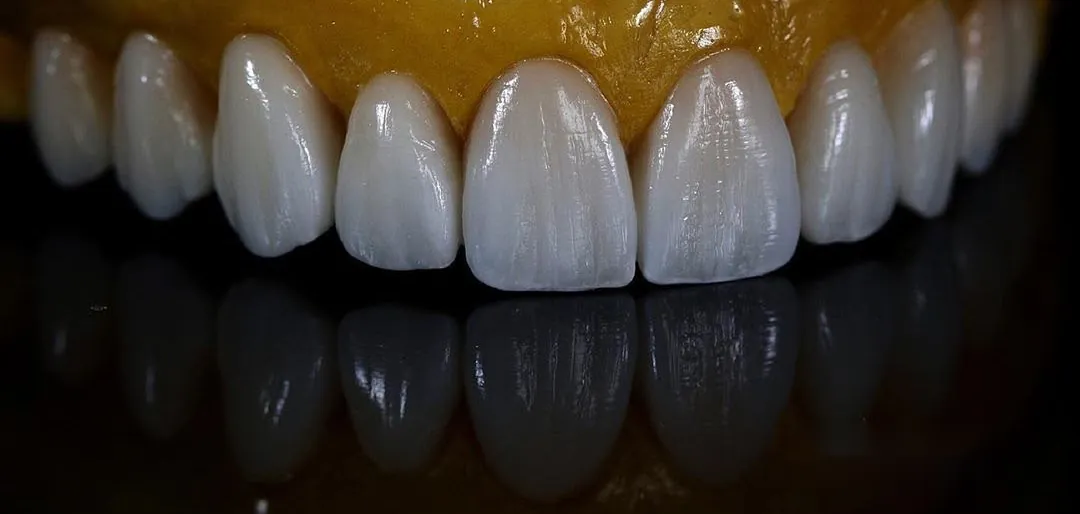
- Teeth that look more yellow as the darker dentine shows through thinning enamel
- A smooth, glossy, or slightly transparent appearance, especially at the edges
- Rounded, worn, or chipped edges on the front teeth
- Small dents or indentations on the chewing surfaces
If you notice any of these changes, it is worth having them assessed. Catching erosion early makes it far easier to slow down and manage.
Why Enamel Erosion Matters
Beyond appearance, enamel erosion has real functional consequences. As the protective layer thins, teeth become more sensitive and more prone to decay, cracks, and fractures. Worn enamel can also change the way the teeth meet when you bite, which may place uneven stress on the jaw over time. Because the damage is permanent, prevention is always preferable to repair.
How to Prevent Enamel Erosion
The good news is that erosion is largely preventable. Small, consistent changes to your routine can make a meaningful difference.
Be mindful of acids
You do not need to give up acidic foods entirely, but timing and frequency matter. Try to enjoy them as part of a meal rather than grazing on them throughout the day, and rinse your mouth with water afterwards. Using a straw for acidic drinks can help limit contact with the front teeth.
Wait before brushing
Acid temporarily softens enamel, so brushing straight after an acidic meal or drink can wear it away more easily. Waiting about an hour, and rinsing with water in the meantime, gives saliva a chance to restore the mouth's natural balance before you brush.
Keep saliva flowing
Staying well hydrated and chewing sugar-free gum can stimulate saliva, which helps neutralise acid and remineralise the enamel surface. If you experience persistent dry mouth, mention it to your dentist, as it may need specific attention.
Brush gently with fluoride
Use a soft-bristled toothbrush and a gentle technique rather than aggressive scrubbing. A fluoride toothpaste helps strengthen enamel and improve its resistance to acid. Your dentist may also recommend additional fluoride treatments if you are at higher risk.
Treat underlying causes
If acid reflux, frequent vomiting, or another medical condition is contributing to erosion, addressing the root cause is essential. Working with both your dentist and physician ensures the source of the acid is managed, not just its effect on your teeth.
Keep up with regular check-ups
Routine dental visits allow erosion to be spotted in its earliest stages, often before you notice any symptoms. A dentist can monitor wear over time, identify the contributing factors specific to you, and recommend protective measures tailored to your situation.
What If Your Enamel Is Already Worn?
When erosion has caused noticeable wear, sensitivity, or changes to the appearance of your teeth, modern restorative and cosmetic dentistry offers several ways to rebuild and protect them. Depending on the extent of the wear, options may include tooth-coloured bonding, porcelain veneers, or crowns that restore both strength and appearance.
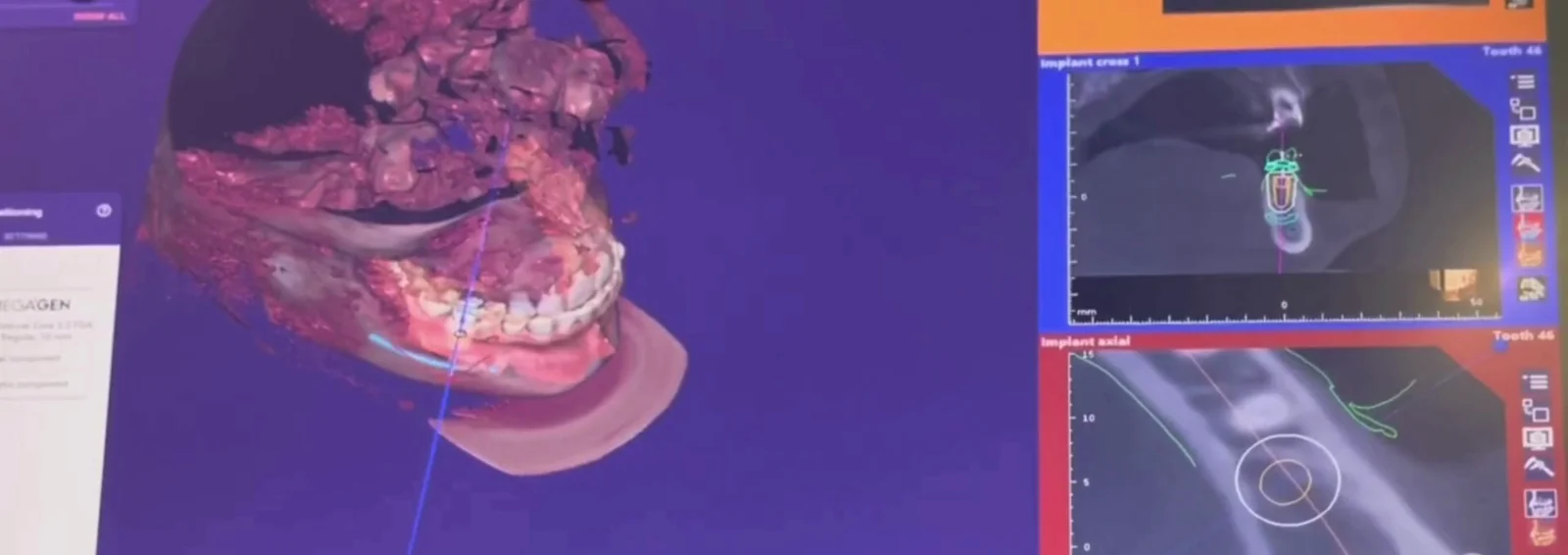
At Mineers Smile Center, restorative care is led by clinicians such as Dr. Milena Ilieva, whose focus on general and restorative dentistry is well suited to rebuilding worn or sensitive teeth, while Dr. Elias Abou Tayeh brings a cosmetic perspective when the goal is a natural, even smile. Using digital planning, the team can show you how a restored smile might look before any treatment begins. You can explore our cosmetic dentistry options or browse real results in our smile gallery.
Frequently Asked Questions
Can tooth enamel grow back on its own?
No. Enamel contains no living cells, so once it is lost the body cannot regenerate it. Early erosion can sometimes be slowed and the remaining enamel strengthened through remineralisation with fluoride and good habits, but more advanced wear is treated with restorations rather than regrowth.
Is enamel erosion the same as a cavity?
Not quite. Cavities are caused by bacteria producing acid in specific spots, leading to localised decay. Erosion is a broader chemical wearing-away of the enamel surface, usually from dietary or stomach acids. The two can occur together, and both make a professional assessment worthwhile.
How can I tell if I have enamel erosion?
Common clues include increased sensitivity, teeth that appear more yellow or translucent, and rounded or chipped edges. These signs can be subtle, so the most reliable way to know is a dental examination, where a clinician can assess the surfaces and compare changes over time.
Will teeth whitening make erosion worse?
Professionally supervised whitening is generally safe for healthy enamel, but if your enamel is already eroded or your teeth are very sensitive, your dentist may recommend addressing that first. This is one reason a proper assessment before any cosmetic treatment is so important.
What is the single most helpful habit for protecting enamel?
If you change one thing, reduce how often your teeth are exposed to acid. Keep acidic foods and drinks to mealtimes, rinse with water afterwards, and avoid brushing for about an hour. Limiting the frequency of acid exposure does more for your enamel than any single product.
Protect Your Smile With Expert Care
Whether you want to prevent enamel erosion or restore teeth that have already been affected, a personalised assessment is the best place to start. Our team can identify what is contributing to wear in your case and build a plan to protect and, where needed, rebuild your smile. Book a consultation today, or see what our patients say in our patient reviews.