Dental Health · 6 min read
What to Expect During Dental Implant Surgery: A Step-by-Step Guide
Nervous about dental implant surgery? Learn exactly what happens before, during, and after the procedure — from 3D planning to final crown placement.
Reviewed by Dr. Elias Abou Tayeh, DDS
Why Understanding the Process Matters
If you have been told you are a candidate for dental implants — or are simply exploring your options — knowing what the surgery involves can make a significant difference in how comfortable and confident you feel going into it.
Dental implant surgery is safe, well-established, and, when performed with modern digital technology, highly predictable. The process typically unfolds across several appointments over a period of months, and each stage has a clear purpose. This guide explains them all.
Step 1: The Initial Consultation and Treatment Planning
Before any surgery takes place, your dental team conducts a thorough evaluation. This usually includes:
- A full clinical examination — assessing the health of your gums, remaining teeth, and bite alignment.
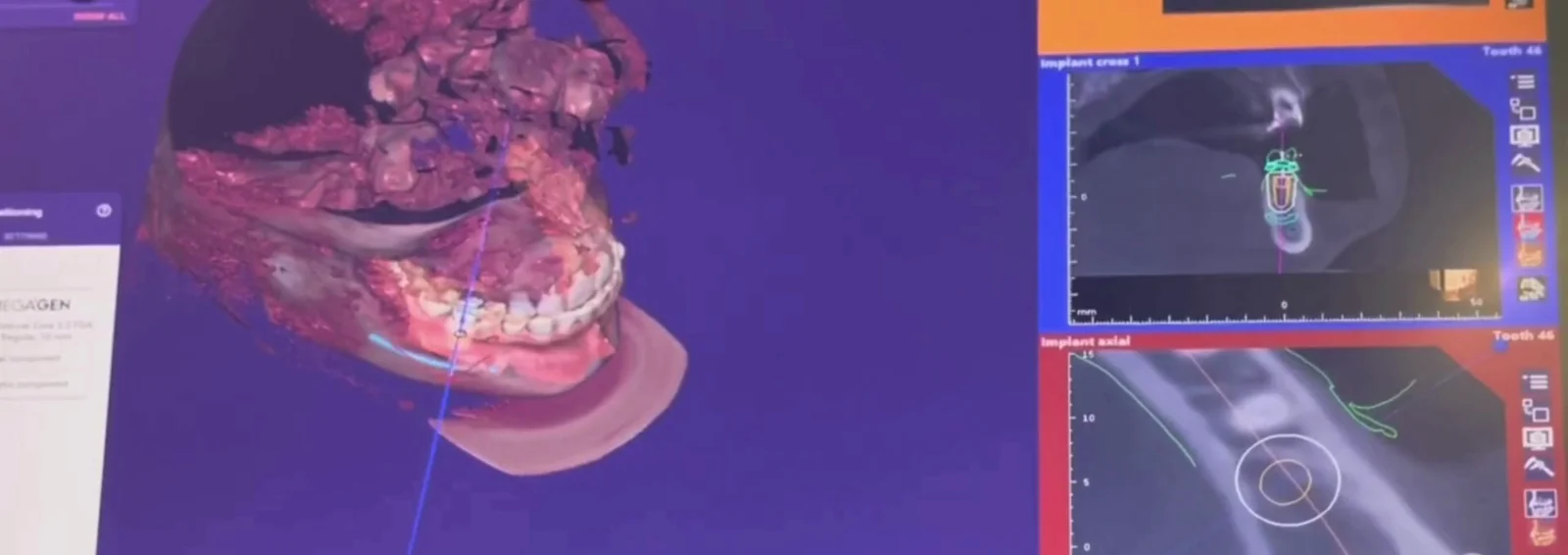
- 3D cone beam CT scanning (CBCT) — producing a detailed image of your jawbone to measure bone volume, density, and proximity to nerves and sinuses.
- Digital Smile Design (DSD) — in some cases, a digital preview of your final result is created before any treatment begins.
This planning stage is critical. The precision of modern implant surgery depends on having an accurate picture of your anatomy before a single incision is made. At Mineers Smile Center, Dr. Elias Abou Tayeh uses 3D guided surgical planning for implant placements to ensure optimal position, angle, and depth.
Step 2: Preparing for Surgery
Once a treatment plan is confirmed, a few preparatory steps may be necessary depending on your individual situation:
- Tooth extraction — if the failing tooth has not already been removed, this may be done on the same day as implant placement or in advance.
- Bone grafting — if the jaw has insufficient bone volume, a graft may be placed and allowed to heal before implant surgery proceeds.
- Gum treatment — any active gum disease must be resolved before implants are placed, as healthy tissue is essential for long-term success.
Your dentist will provide clear pre-operative instructions covering diet, medication, and what to arrange for the day. Most patients are asked to avoid eating for a few hours beforehand if sedation is being used.
Step 3: The Implant Surgery Itself
The actual placement of the implant is a minor surgical procedure, typically completed in under an hour per implant under local anaesthesia. Here is what happens:
- Anaesthesia — the area is numbed thoroughly. Most patients feel pressure but no pain. Sedation options are available for patients with dental anxiety.
- Guided incision — a small incision is made in the gum tissue to expose the jawbone. In some cases, a flapless technique using a surgical guide allows placement without a traditional incision.
- Implant site preparation — the bone is shaped using a series of precision drills to create a channel of exactly the right diameter and depth.
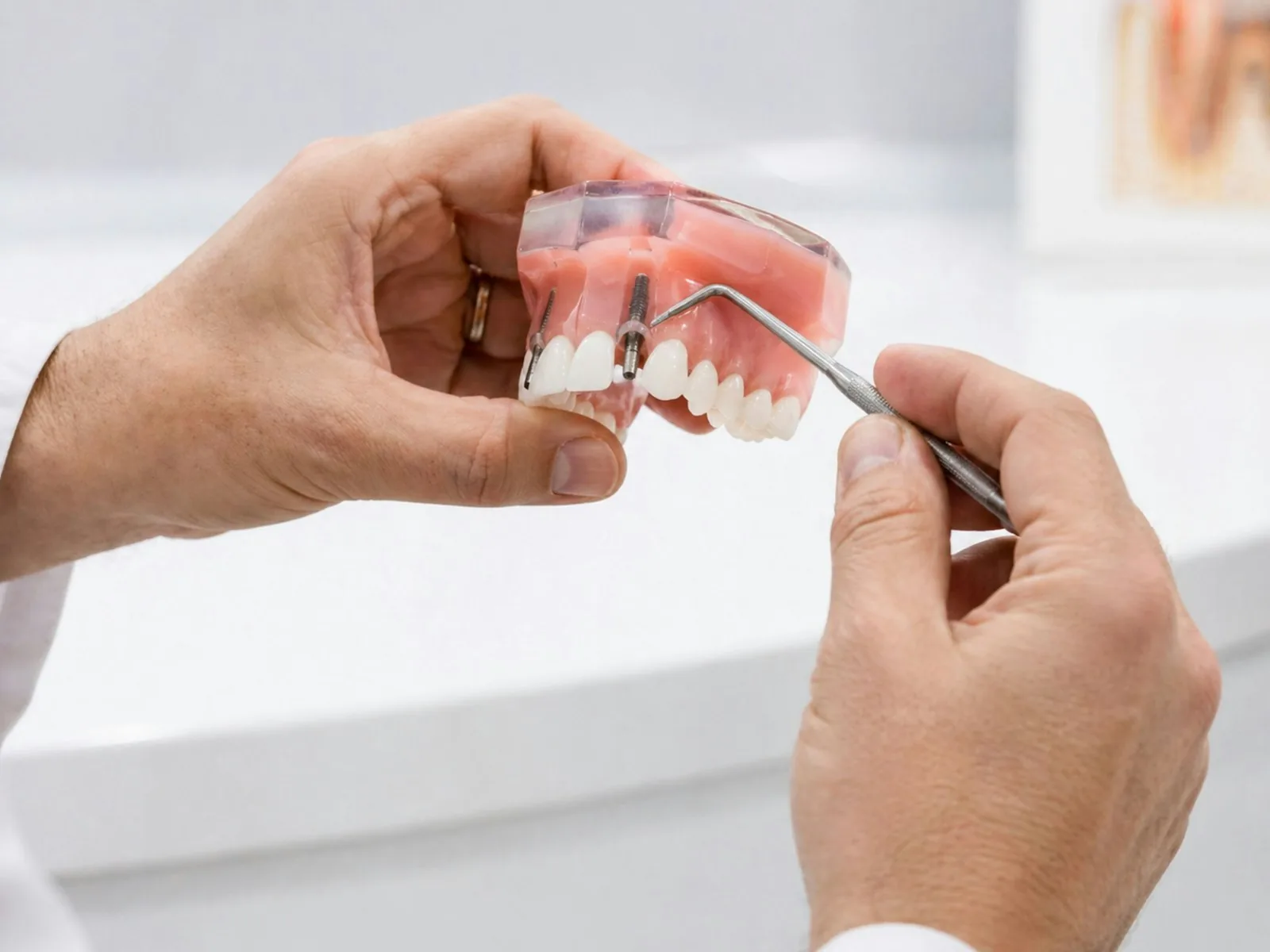
- Implant placement — the titanium implant fixture is inserted into the prepared site and positioned precisely according to the pre-planned surgical guide.
- Closure — the gum tissue is sutured closed over or around the implant. A healing cap or temporary crown may be placed immediately in some protocols.
Most patients are surprised by how routine the procedure feels. The anticipation is often far more daunting than the reality.
Step 4: Immediate Aftercare and Recovery
The first 24 to 72 hours following surgery are when most patients experience the peak of any discomfort. What to expect:
- Swelling and bruising — mild to moderate, typically resolving within five to seven days. Ice packs applied in the first 24 hours help significantly.
- Soreness — manageable with standard over-the-counter pain relief, as directed by your dentist.
- Dietary restrictions — soft foods only for the first week. Chewing directly on the implant site should be avoided during early healing.
- Oral hygiene — gentle rinsing with saline begins the day after surgery. Your dentist will give specific instructions for cleaning around the surgical site without disturbing it.
Most patients return to work and normal daily activities within one to three days, though this varies depending on the complexity of the procedure and individual healing rates.
Step 5: Osseointegration — The Healing Phase
After the implant is placed, a biological process called osseointegration takes place. This is when the titanium implant gradually fuses with the surrounding jawbone, creating a stable, permanent foundation.
Osseointegration typically takes between three and six months, depending on bone quality and individual biology. During this period, the implant site should not be placed under excessive load. Follow-up appointments allow your dental team to monitor healing progress through clinical and radiographic checks.
Step 6: The Abutment and Final Crown
Once osseointegration is confirmed, the final restorative stage begins:
- Abutment placement — a connector piece is attached to the implant. This is usually a simple in-chair step requiring minimal or no anaesthesia.
- Digital impression — an intraoral scan records the precise shape of your bite and surrounding teeth to design the final restoration.
- Crown fabrication — using CAD/CAM technology, a custom ceramic crown is designed and milled to match the shape, size, and shade of your natural teeth.
- Final fitting — the crown is fitted, adjusted for bite, and permanently fixed or screw-retained onto the abutment.
The result is a tooth that looks, feels, and functions like a natural one. With proper care, a well-placed implant can remain in service for decades. Read more on our dental implants page.
Can Multiple Implants Be Placed at Once?
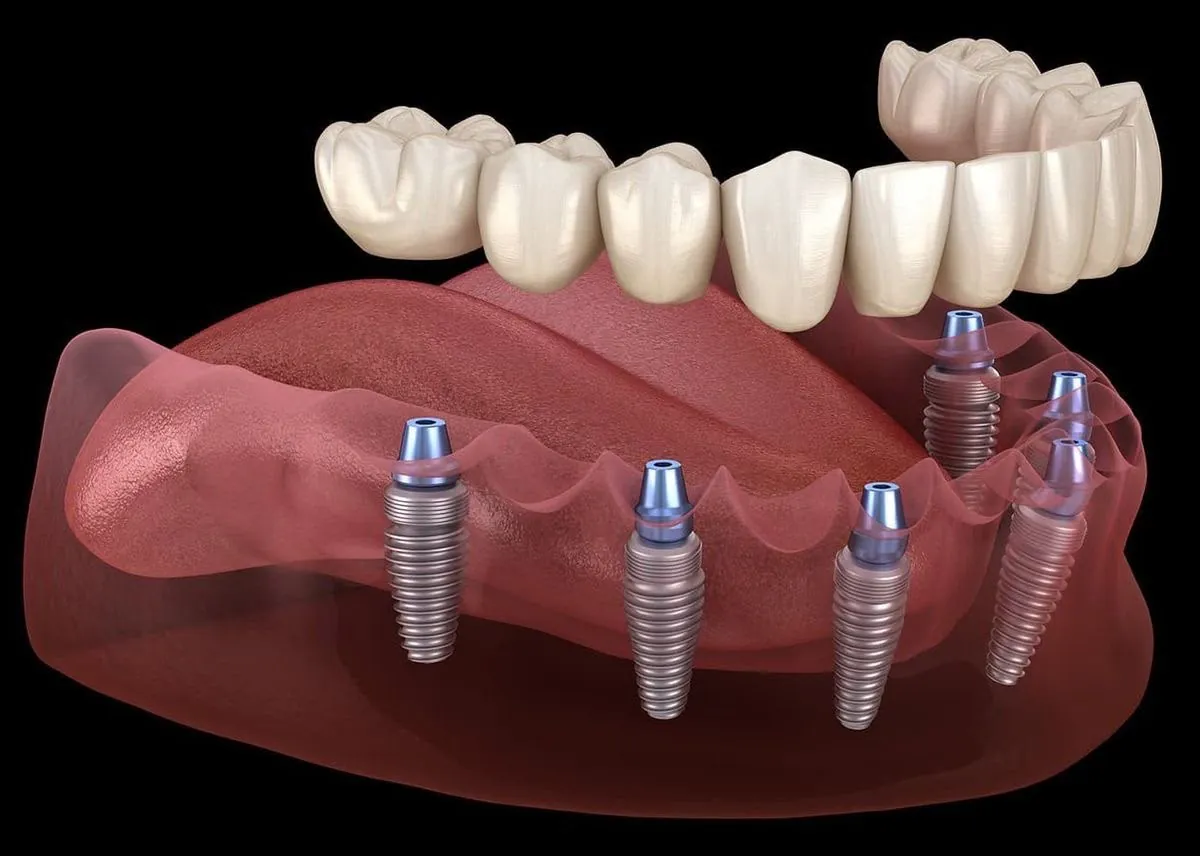
Yes — multiple implants can often be placed in a single surgical session, reducing the number of appointments and shortening the overall treatment timeline. For patients who have lost all or most of their teeth, full-arch solutions using implant-supported bridges can be planned from the outset.
Your dentist will design the most efficient treatment sequence for your specific anatomy and goals during the planning stage. You can also view patient results in our gallery or read what our patients say about the experience.
Frequently Asked Questions
Is dental implant surgery painful?
Most patients report that the procedure itself is far more comfortable than they expected. Local anaesthesia numbs the area completely during surgery. Post-operative discomfort is usually mild and manageable with standard pain relief for a few days afterward.
How long does dental implant surgery take?
Placing a single implant typically takes 30 to 60 minutes. Multiple implants placed in the same session will take proportionally longer. The planning and healing phases extend the overall treatment timeline to several months, but the surgical appointment itself is brief.
What is the success rate of dental implants?
Dental implants have a well-established track record with high success rates in healthy patients with adequate bone volume. Factors such as smoking, uncontrolled diabetes, and poor oral hygiene can reduce success rates, which is why a thorough pre-treatment assessment matters so much.
Can I eat normally after implant surgery?
For the first week or two, a soft food diet is recommended to protect the healing site. As recovery progresses, you gradually return to a normal diet. Once osseointegration is complete and the final crown is fitted, the implant functions exactly like a natural tooth — including when eating.
How do I look after my implant long-term?
Dental implants require the same care as natural teeth: twice-daily brushing, daily interdental cleaning, and regular professional check-ups. With good oral hygiene and routine maintenance, a well-placed implant can remain fully functional for many years. Our dental implants page covers long-term aftercare in detail.
Ready to Take the Next Step?
If you are considering dental implants, the most important first step is a thorough consultation with an experienced implant dentist. At Mineers Smile Center, Dr. Elias Abou Tayeh uses 3D guided surgery and digital planning to give patients the most predictable, comfortable outcome possible.
View patient results in our gallery, read what our patients say, or book your free consultation today.