Dental health · 3 min read
Bad Breath: What Causes It and What Actually Helps
Bad breath is very common, and usually has a cause you can find. The everyday causes, the daily habits that help, why mouthwash alone is not the answer, and the signs that mean it is time to see a dentist.
Mineers Smile Center
Almost everyone has had it, and almost no one wants to ask about it. The ADA says studies show that 50 percent of adults have had bad breath, or halitosis, at some point in their lives (ADA MouthHealthy). The NHS calls it very common and says you can usually treat it yourself (NHS). The key is finding out what is behind it.
What causes bad breath?
Between them, the ADA and the NHS name these causes:
- Bacteria. Hundreds of types of bacteria live in the mouth. When you eat, they feed on food left behind and leave a foul-smelling waste product.
- Food and drink. Garlic, onions, coffee, and other strong-smelling or spicy foods and drinks.
- Dry mouth. Saliva washes your mouth out all day; without enough of it, the mouth is not cleaned as it should be. Causes include certain medicines, salivary gland problems, and breathing through the mouth.
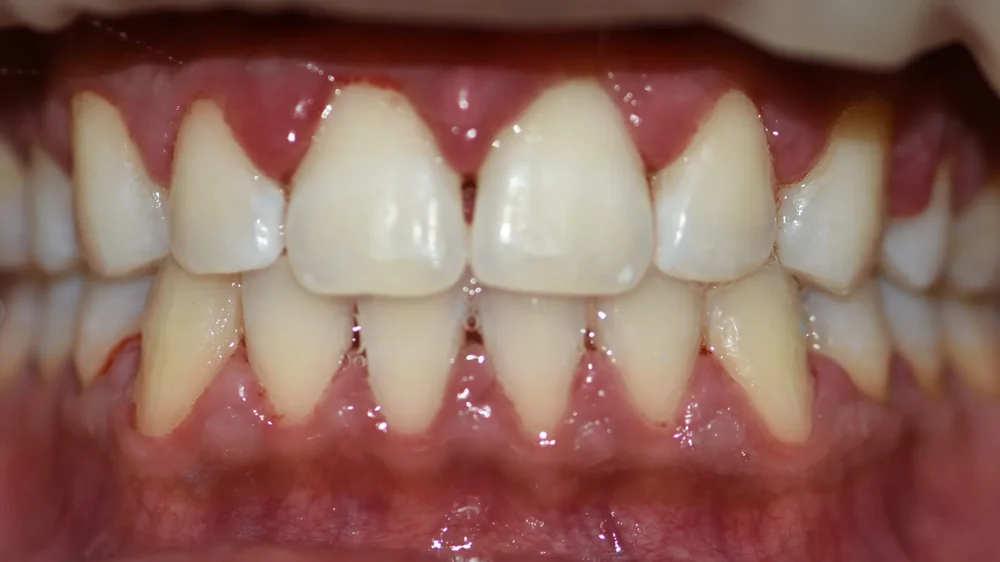
- Gum disease, holes in the teeth, or an infection. The ADA says bad breath that will not go away, or a constant bad taste, can be a warning sign of advanced gum disease.
- Smoking and tobacco. They stain teeth, cause bad breath and irritate the gums. The ADA notes that smoking also affects your sense of smell, so smokers may not notice their own breath.
- Fasting or crash dieting.
- Medical conditions. The NHS lists dry mouth, tonsillitis and acid reflux; the ADA adds sinus conditions, diabetes, and liver or kidney disease. If your dentist has ruled out other causes and you brush and floss every day, the ADA says to see your healthcare provider.
What helps every day
The NHS says the way to avoid bad breath is to keep your teeth, tongue and mouth clean. It suggests:
- gently brushing your teeth and gums at least twice a day for two minutes, with a fluoride toothpaste;
- gently cleaning your tongue once a day, with a tongue scraper or cleaner;
- cleaning between your teeth with interdental brushes or floss at least once a day;
- keeping dentures clean and taking them out at night;
- sugar-free mints or chewing gum after strong-smelling food and drink;
- an antibacterial mouthwash or toothpaste;
- regular dental check-ups.
And things to avoid: smoking, too much alcohol, lots of sugary food and drink, brushing so hard that your gums or tongue bleed, and rinsing your mouth with water straight after brushing your teeth.
The ADA suggests keeping saliva flowing by eating foods that need a lot of chewing, such as carrots or apples, or by chewing sugar-free gum. It says dentists may also recommend artificial saliva.
What about mouthwash?
The ADA is clear that over-the-counter mouthwash can help kill bacteria or neutralise and temporarily mask bad breath, but only temporarily. The longer food stays in your mouth, the more likely your breath is to offend. Mouthwash is a help alongside cleaning, not a replacement for it.
When to see a dentist
The NHS says to see a dentist if you have:
- bad breath that does not go away after treating it yourself for a few weeks;
- painful, bleeding or swollen gums;
- toothache, or wobbly adult teeth;
- problems with your dentures.
Persistent bad breath is also one of the signs we list on our deep cleaning page, along with bleeding gums, gums pulling back from the teeth, and loose teeth. Deep Cleaning or a Regular Clean explains when a deeper clean is needed, and Bleeding Gums When You Brush goes through the most common warning sign. If the dentist finds that your mouth is healthy, the ADA says you may be referred to your primary care doctor.
Worried about your breath, or about something your dentist found? Book a private consultation, or send us a note on WhatsApp, +961 3 757 127.
This article is general information, not a diagnosis. Treatment plans and results vary from person to person.