Gum health · 4 min read
Deep Cleaning or a Regular Clean: What Is the Difference?
A regular clean works above the gum line. A deep cleaning works below it, where gum disease starts. What each one does, who needs which, what happens in the chair and how you may feel afterwards.
Mineers Smile Center
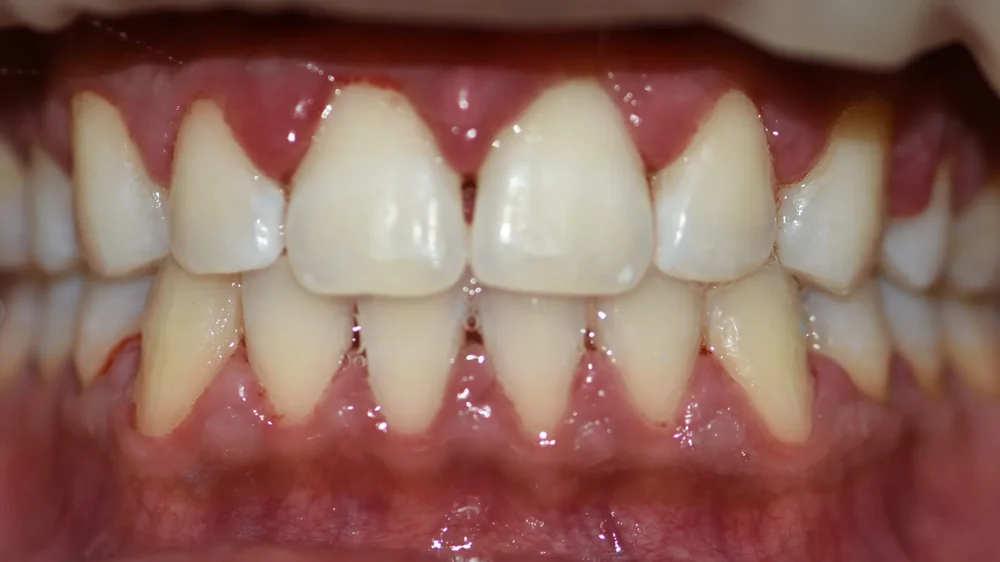
"You need a deep cleaning" can sound like a bigger version of the clean you have every six months. It is not quite that. The two treatments do different jobs, for different mouths, and knowing the difference makes it easier to understand what your dentist is recommending and why.
A regular clean: above the gum line
A regular professional clean, sometimes called scale and polish, removes plaque and hardened plaque (tartar) from above the gum line. It is meant for people whose gums are healthy, and it helps to keep them that way. The ADA says that if gum disease is caught early, and has not damaged the structures below the gum line, a professional cleaning should do (ADA MouthHealthy).
A deep cleaning: below the gum line
A deep cleaning, called scaling and root planing, treats gum disease. The ADA explains how the problem develops: plaque, a sticky film of bacteria, is always forming on your teeth. If the teeth are not cleaned well, the bacteria inflame your gums, which pull away from the teeth and form spaces called pockets. Plaque then gets trapped in these pockets, where regular brushing cannot remove it. Left untreated, gum disease can lead to bone and tooth loss.
If the pockets are too deep for a regular clean, the ADA says scaling and root planing may be needed. It has two parts:
- Scaling removes plaque and tartar above and below the gum line, down to the bottom of each pocket.
- Root planing smooths the roots of the teeth, to help the gums reattach.
The ADA adds that it may take more than one visit, and may need a local anaesthetic.
How do you know which one you need?
You cannot tell from the mirror, and you cannot tell by how often you brush. Only an examination can say, because the question is how deep the pockets are. At Mineers, we measure the pocket depth around every tooth with a fine probe, and review X-rays, before we recommend anything.
Signs that are worth having checked, from the NHS and from our own deep cleaning page:
- gums that bleed when you brush, floss or eat hard foods;
- red, swollen or sore gums;
- bad breath or a bad taste that does not go away;
- gums that are shrinking, or teeth that look longer;
- loose or shifting teeth.
The NHS says to see a dentist if your gums bleed when you brush or eat hard foods, if they are painful and swollen, or if you have bad breath (NHS). It also says that in the early stages a dentist will give advice on keeping your teeth clean, may advise a hygienist clean, and that if gum disease is serious you may need a deep cleaning under the gums, and sometimes other treatment. Bleeding Gums When You Brush goes through what can cause them.
What happens in the chair
At Mineers a deep cleaning is usually done over one or two visits, one half of the mouth at a time:
- Gum exam. Pocket depth is measured at each tooth and X-rays are reviewed.
- Local numbing. The gums are numbed before the cleaning begins.
- Scaling. Plaque and hardened tartar are removed from below the gum line, with ultrasonic scalers and fine hand instruments.
- Root planing. The root surfaces are smoothed, so that the gum can reattach and heal.
- Review. A check-up, usually four to six weeks later, to see how your gums are healing.
Our deep cleaning page shows each step. If you are nervous about the visit, Will It Hurt? explains how comfort is looked after.
How you may feel afterwards
The ADA says that after a deep cleaning you may have pain for a day or two and tooth sensitivity for up to a week, and that your gums may be swollen, tender and bleed. Your dentist may prescribe a medicine or mouth rinse to help you heal. A follow-up visit measures the pockets again; if they have become deeper, more treatment may be needed.
What keeps the result
A deep cleaning treats the gums, but home care keeps them well. The ADA's advice is simple: brush twice a day with a soft brush, clean between your teeth daily, eat a balanced diet, avoid tobacco and see your dentist regularly. The NHS adds that you should spit after brushing, without rinsing, and avoid using mouthwash straight after brushing.
Gum health matters for cosmetic work too, because healthy gums frame the teeth and are part of what makes a smile look natural. The Connection Between Gum Health and Cosmetic Dentistry explains how.
Are your gums bleeding, or has a clean left you with questions? Book a private consultation or send us a message on WhatsApp, +961 3 757 127.
This article is general information, not a diagnosis. Treatment plans and results vary from person to person.