Your visit · 3 min read
“Will It Hurt?” What a Comfortable Dental Visit Looks Like
The question dentists hear most. What you feel, why local anaesthetic helps, and how to make a nervous first visit easier.
Mineers Smile Center
It is the question every dentist hears, every day, and it is a fair one. Nobody likes the idea of pain, and many people put off a visit for years because of it. So here is a plain answer, and some practical ways to make your visit easier.
The short answer
Most dental treatment is done under local anaesthetic, which numbs the area. You feel pressure and movement, but not pain. Afterwards, some soreness is normal and is usually mild. And your first consultation does not involve treatment at all.
What you will actually feel
- The injection. A brief pinch, and then the area goes numb. If this is what worries you, say so, because there are ways to make it gentler.
- Pressure and vibration. The numb tooth can still feel touched, pressed and shaken. That is normal, and it is not pain.
- Sound. The noise of the instruments can be as unsettling as the sensation, even when nothing hurts.
- Numbness afterwards. The lip or cheek may feel heavy for a few hours. Take care not to bite it, and wait until the feeling is back before eating hot food or drinks.
Your first visit is not treatment
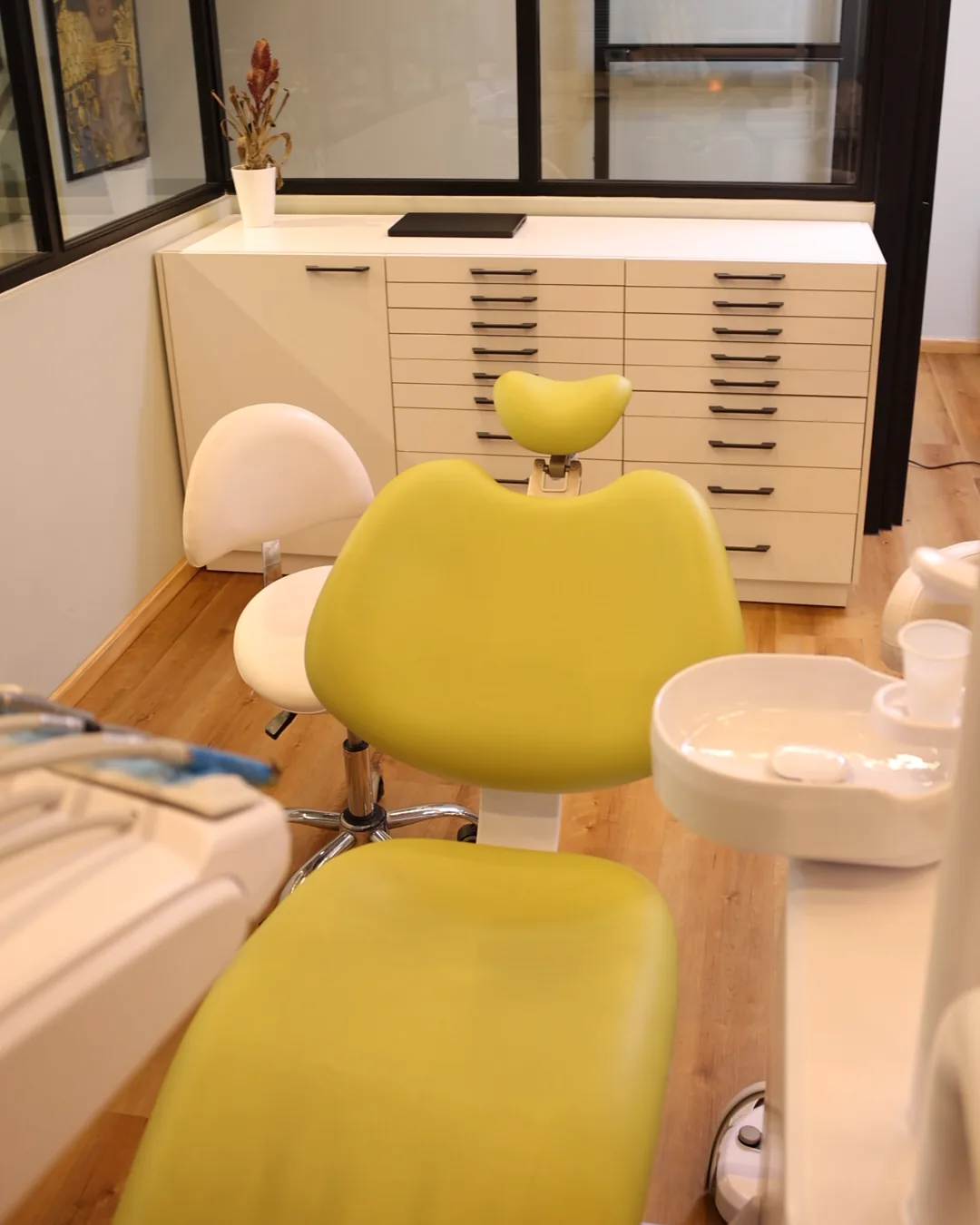
At Mineers, a first consultation is a conversation and an examination: a digital 3D scan, photography, a discussion of what you want, and a personalised plan. There is nothing to be nervous of in that, and you decide what happens next. If you are anxious, the consultation is a good way to see the clinic and meet the team before anything is done.
What helps during treatment
You are allowed to ask for what you need. These are things many nervous patients find useful:
- Say that you are nervous, and what exactly worries you: the injection, the sound, the feeling of lying back. A team that knows can plan around it. Specialists in dental anxiety recommend exactly this: work out what your concerns are and talk them through with the team (Guy's and St Thomas' NHS Foundation Trust).
- Agree a signal to pause, such as raising your hand. Knowing you can stop at any moment gives you back some control.
- Ask for each step to be explained before it happens, so nothing is a surprise.
- Breathe slowly, in through the nose and out through the mouth, and relax your shoulders and jaw.
- Ask whether a break is possible for longer appointments.
After treatment: what is normal
How you feel afterwards depends on what was done.
- Root canal: the tooth may feel sensitive for a few days (ADA MouthHealthy). The treatment relieves the pain caused by the infection rather than causing it. More in Do You Need a Root Canal Before a Crown?
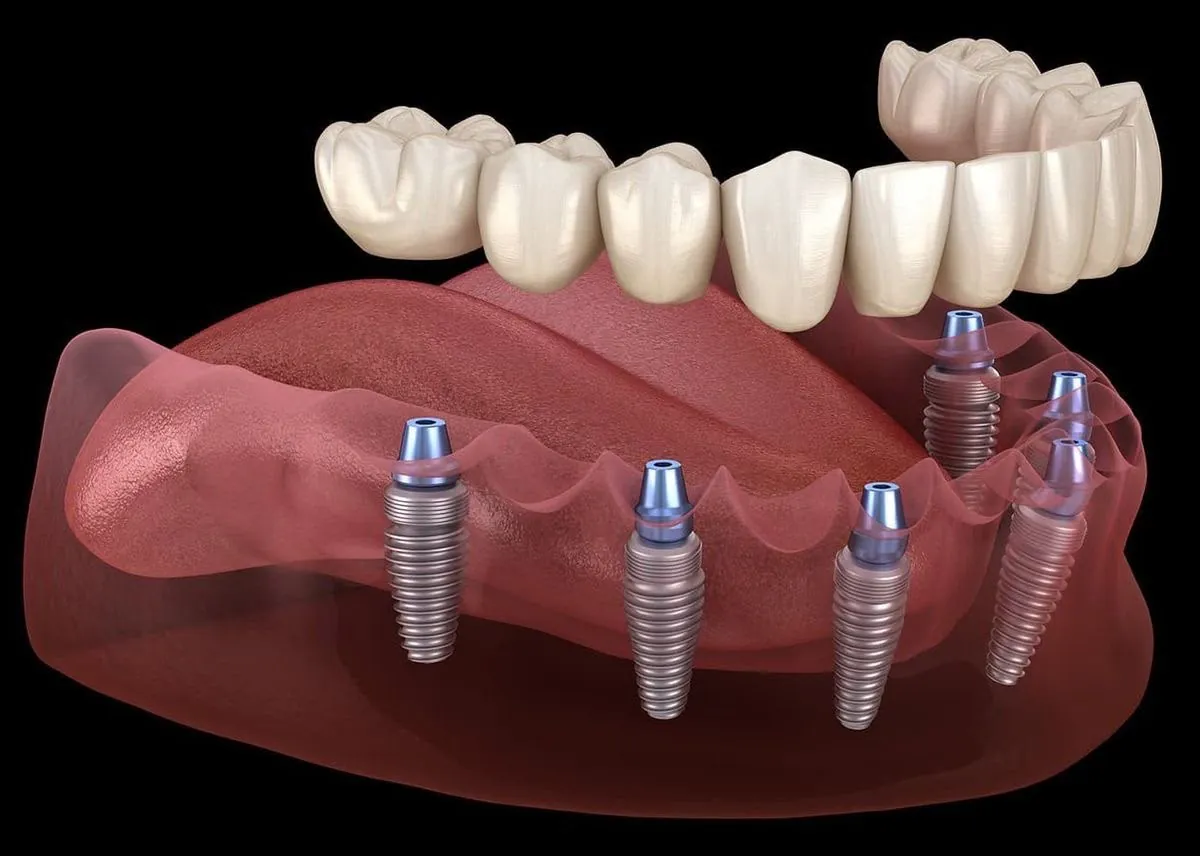
- Dental implants: the surgery is done under local anaesthetic, and some discomfort afterwards is normal and is usually managed with ordinary painkillers (What to Expect During Dental Implant Surgery).
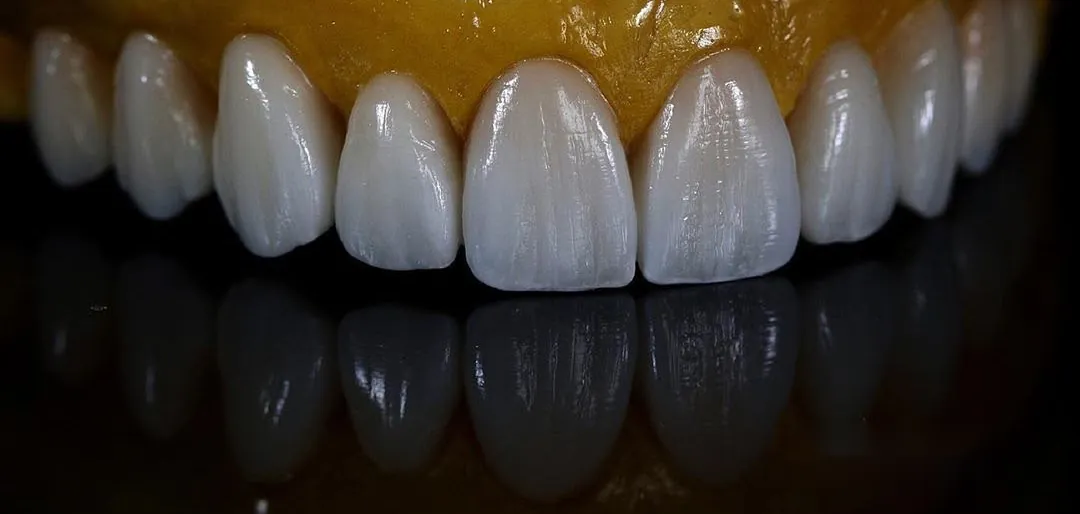
- Porcelain veneers: the treatment is minimally invasive, and most patients find it comfortable.
Contact the clinic if the pain is getting worse rather than better, if you see swelling, or if your bite feels wrong. You can message or call us on +961 3 757 127, and our contact page lists emergency availability.
If your anxiety is strong
Some people are not just nervous but afraid, and that is a real and common difficulty, not a weakness. Tell the team before your visit, so that you can talk through what is possible and agree the pace together. For stronger fear, specialist support with relaxation techniques and a gradual approach can help, and some people also benefit from other options that their dentist can discuss with them.
One more thing
Waiting rarely makes a dental problem smaller. A small cavity is simple to treat; left alone, it can grow into something that needs more. A short, calm visit now is usually easier than a longer one later.
Ready when you are? Book a private consultation or message us on WhatsApp, +961 3 757 127. Tell us you are nervous, and we will take it from there.
This article is general information, not medical advice. Experiences vary from person to person.