Your visit · 5 min read
How to Choose a Dentist in Beirut: Nine Things to Check
Beirut has many dental clinics. Nine practical checks before you book: registration, who treats you, the examination, a written plan, communication, real results, aftercare and emergencies.
Mineers Smile CenterReviewed by Dr. Elias Abou Tayeh, DDS
Search for a dentist in Beirut and you will find many clinics with similar photos and similar promises. That makes it hard to tell them apart from a website. The things that matter show up in conversation: who examines you, what you are told, and what you receive in writing. Here are nine things to check, whichever clinic you are considering. Most come from the questions that dental regulators and patient charities ask people to put to any clinic, and we have added what we do at Mineers where it helps.
1. Are they registered, and with whom?
The General Dental Council in the UK suggests asking whether the country has a professional regulatory body, whether registration is compulsory, and what qualifications dental professionals must have (General Dental Council). The Oral Health Foundation adds: find out where the dentist trained and is registered, and check that the person seeing you is legally allowed to practise in that country (Oral Health Foundation). In Lebanon, dentists register with the Order of Dentists. Ask the clinic for the registration details of the dentist who will treat you.
2. Who will actually treat you?
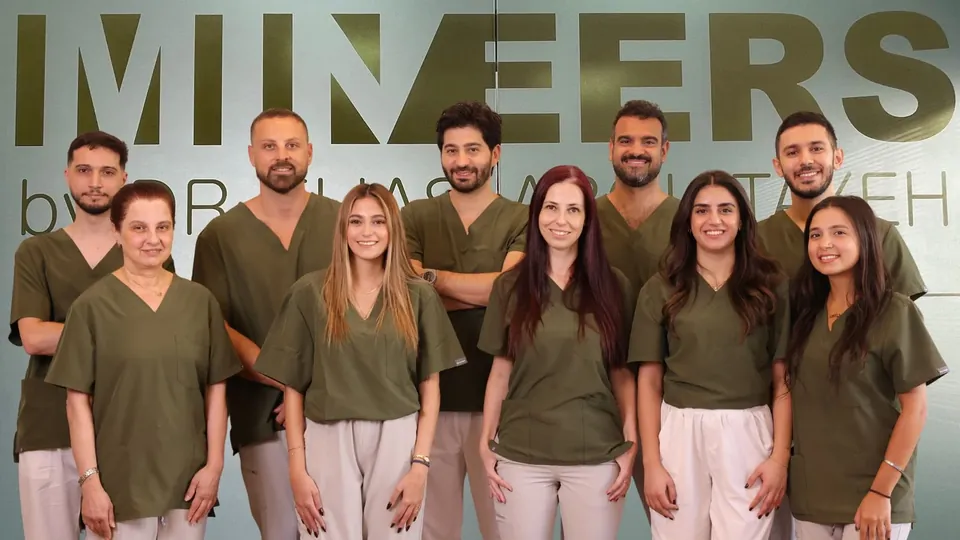
Ask the name of the dentist and what experience they have with your treatment. The GDC suggests asking how many times they have carried out the procedure and what their rates of success and complications are. Our team page lists who treats you at Mineers, and Dr. Elias Abou Tayeh and Dr. Milena Ilieva each have their own page.
3. Will you be examined before anything is proposed?
The GDC says you should always be assessed by a qualified dentist before being given a treatment plan and cost estimate, and that the assessment should include your full medical history. The Oral Health Foundation says that if long-term health conditions, previous surgery and anaesthetic history are not discussed, that is a warning sign. Be cautious of any price given before someone has looked at your mouth.
4. Is the plan in writing, with a full breakdown?
Ask for a clear treatment plan and a full cost breakdown. The Oral Health Foundation notes that the headline cost does not always include everything you may need. What Decides the Price of Dental Implants and Why Two Veneer Quotes Can Look So Different show what to compare.
5. How is the plan made?
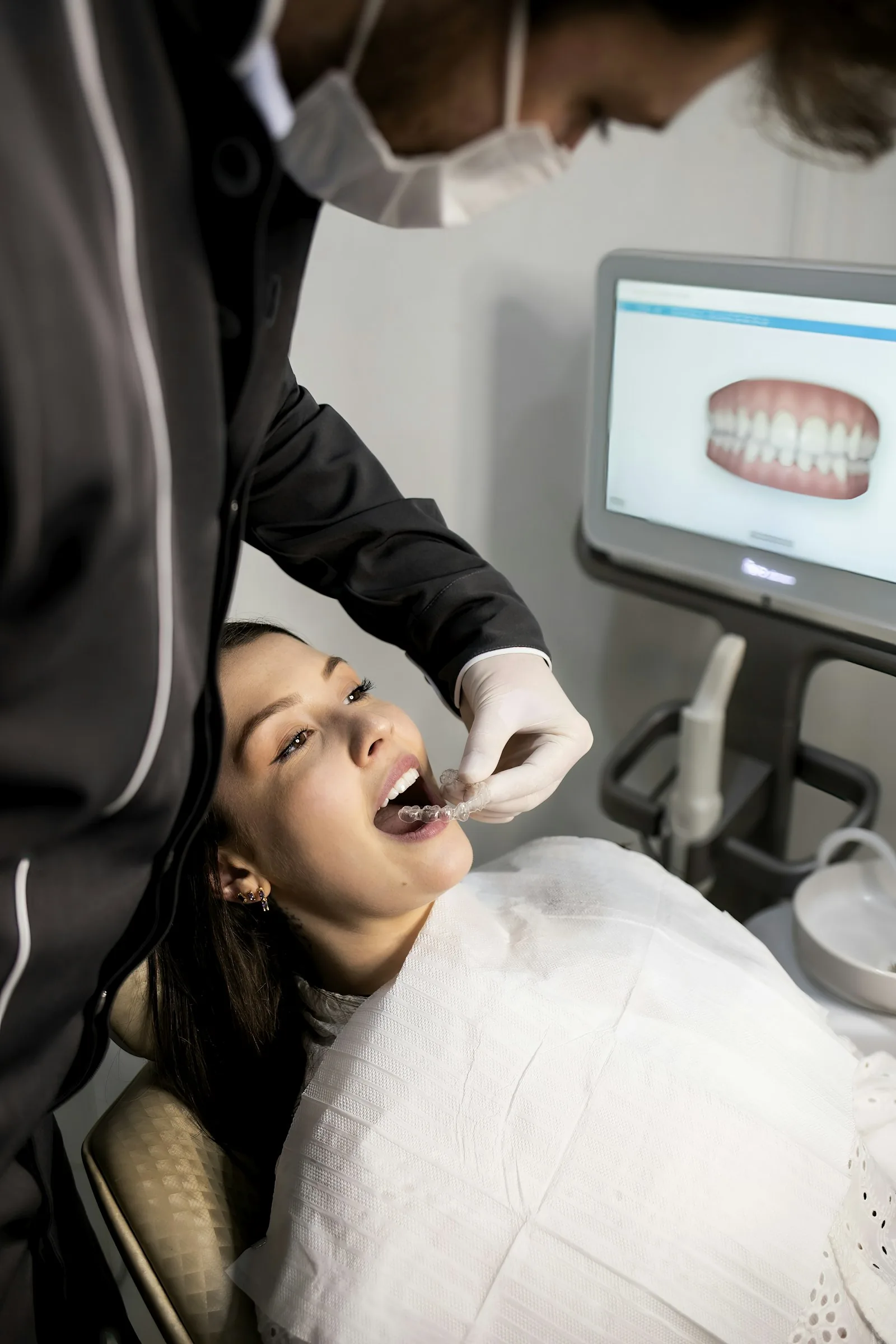
You should be able to ask how your treatment will be planned and see the plan. At Mineers, implants are planned on a 3D X-ray and placed through a printed guide, aligners are planned on a 3D scan, and a new smile is designed on screen and tried on first. A clinic that cannot show you the plan before it starts is asking you to trust it blindly.
6. Can you understand each other?
The Oral Health Foundation says good communication is essential for safe dental care, and that language barriers can lead to misunderstandings that affect results and aftercare. Consultations at Mineers are held in Arabic and English, and Dr. Milena Ilieva also speaks Bulgarian and German.
7. Can you see real results, and what do patients say?
Look for examples of the clinic's work and read patient reviews, as the Oral Health Foundation advises. It points to independent review sites such as Google. The Smile Portfolio shows our own cases, and our patient reviews page links to our Google reviews. Treat a before-and-after with care: ask whether the photos are of the clinic's own patients.
8. What happens after treatment?
Ask what aftercare is included, who you contact if you need advice, and what happens if you are unhappy with the result. Both the GDC and the Oral Health Foundation put this on their lists. At Mineers the clinic is open Monday to Saturday from 08:00 to 22:30 and on Sunday from 08:00 to 20:00, and the clinic lists emergency care as available 24/7: call +961 3 757 127.
9. Do you feel free to say no?
The GDC says that if you are not satisfied with the answers, you should not feel you have to commit that day, and the Oral Health Foundation recommends an independent opinion from your own dentist. A good consultation leaves you better informed whether or not you book. What to Expect at Your First Cosmetic Dentistry Consultation describes ours.
A short checklist to take with you
- Name and registration of the treating dentist
- A written plan with a full cost breakdown
- What is included: scans, follow-up visits, retainers, repairs
- Aftercare, emergency contact and opening hours
- Your records: scans, photos and a list of what was done
Frequently Asked Questions
How do I check that a dentist in Lebanon is registered?
Ask the clinic for the dentist's registration details. If you want to confirm independently, contact the Order of Dentists in Lebanon, which is the professional body.
Should I choose the clinic closest to home?
Convenience helps with follow-up visits, but it should not decide the question alone. Check the points above, then weigh the distance.
Are online reviews reliable?
They are useful, as the Oral Health Foundation says, but they are one piece of the picture. Read several, look for detail, and ask to see real cases.
What should a first visit include?
An examination, questions about your health, a conversation about what you want, and a clear plan. It should not feel like a sales pitch.
Can I get a second opinion?
Yes, and it is sensible for any large treatment. The Oral Health Foundation recommends an independent opinion from your own dentist, particularly before travelling abroad.
Want to meet the team before you decide? Book a private consultation, or message us on WhatsApp, +961 3 757 127. We are at Sodeco Square, Block B, 4th Floor, Achrafieh, Beirut.
This article is general information, not advice about any particular clinic or treatment.
Independent sources
Where to read more, from independent health organisations.