Gum health · 4 min read
Receding Gums: Why They Happen and What Can Be Done
Gums that pull back expose the root and can make teeth sensitive. The common causes, why gums do not grow back, the options from toothpaste to a gum graft, and when to see a dentist.
Mineers Smile Center

You may notice it first as a tooth that looks a little longer than it used to, or as a twinge when you drink something cold. Gum recession is common and slow, which is why many people find it late. The helpful news is that once you know about it, there is a lot you can do to stop it getting worse.
What gum recession is
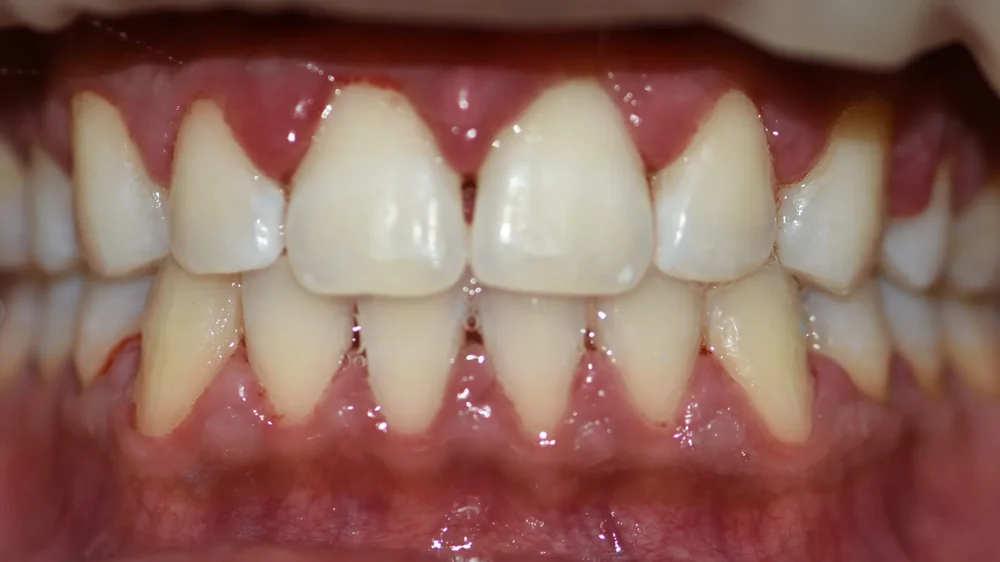
Cleveland Clinic describes it as gum tissue pulling away from the teeth and exposing the roots underneath. That makes the teeth more vulnerable to cavities and can make them more sensitive. It can be mild, moderate or severe, and it can affect one tooth or several (Cleveland Clinic).
It can happen at any age, and it is most common in older adults: Cleveland Clinic gives a figure of about 88% of people over 65 with recession on at least one tooth.
Signs to look for
- more of the tooth, or its root, showing than before;
- pain or discomfort near the gum line;
- sensitivity to heat, cold or sweet foods;
- sensitivity when brushing, flossing or having a cleaning.
Left untreated, Cleveland Clinic says recession can lead to bone loss, teeth that feel loose, and eventually tooth loss. Our guide to sensitive teeth covers the twinge on its own.
Why gums recede
Cleveland Clinic lists:
- brushing too hard or too aggressively;
- plaque or tartar build-up;
- periodontal (gum) disease;
- injury to the gum;
- teeth that are out of position;
- smoking or chewing tobacco;
- lip and tongue piercings.
It adds that poor oral hygiene is often a contributing factor but not always the cause: many people are simply born with thin gum tissue. You are also more likely to see recession if you have had braces or other orthodontic treatment.
The brushing point is worth a second look. The ADA says to choose a soft-bristled brush, because firm or even medium-strength bristles may damage the gums and enamel, and to brush only hard enough to clean the film off your teeth (ADA MouthHealthy). Electric or Manual Toothbrush? has more.
Can gums grow back?
Cleveland Clinic is direct: receding gums cannot grow back, and recession cannot be cured, but it can be managed, and treatment can stop it getting worse. How it is treated depends on the cause.
What can be done
| Step | What it does |
|---|---|
| Desensitising toothpaste and fluoride varnish | Eases the sensitivity of exposed roots. Toothpaste works best used long term, and can take several weeks to start working. |
| A better cleaning routine | If gum disease is behind it, your dentist or hygienist will show you how to clean more effectively. |
| Deep cleaning (scaling and root planing) | Removes the bacteria below the gum line that cause gum disease, under local anaesthetic. |
| Bonding | Tooth-coloured composite resin can cover the exposed root, making it less noticeable and more comfortable. |
| Orthodontics | If a crooked, tipped or rotated tooth is the cause, moving it into line may let the gum margin settle over time. |
| Gum graft surgery | Replaces the lost gum tissue with a graft; Cleveland Clinic calls it the most predictable and long-lasting option, usually done by a periodontist. |
Mild recession may be improved without surgery. For moderate to severe recession, Cleveland Clinic says a gum graft consultation is likely. Recovery after a graft is usually about two weeks. If you are advised to have one, ask who will do it and what the aftercare involves.
On our side, a deep cleaning starts by measuring the gum pocket around every tooth. The signs we list for it include gums pulling back from the teeth, bleeding gums, bad breath that will not go away and loose teeth. Composite bonding explains how tooth-coloured resin is applied. The sooner a change in your gums is found, the more options remain.
Looking after your gums
Cleveland Clinic's advice: brush thoroughly twice a day with a soft brush, floss once a day, follow your dentist's recommendation for cleanings, and do not smoke or use chewing tobacco. If you notice more root showing, or new sensitivity, see your dentist early. Bleeding Gums When You Brush explains the earlier warning sign, and Deep Cleaning or a Regular Clean shows when each is needed.
Noticed your gums moving? Book a private consultation, or send a note on WhatsApp, +961 3 757 127.
This article is general information, not a diagnosis. Treatment plans and results vary from person to person.