Aligners · 3 min read
Why You Need a Retainer After Clear Aligners or Braces
Teeth can drift back once the aligners or braces come off. What a retainer does, the three types, how long to wear one, and what to do when yours stops fitting.
Mineers Smile Center
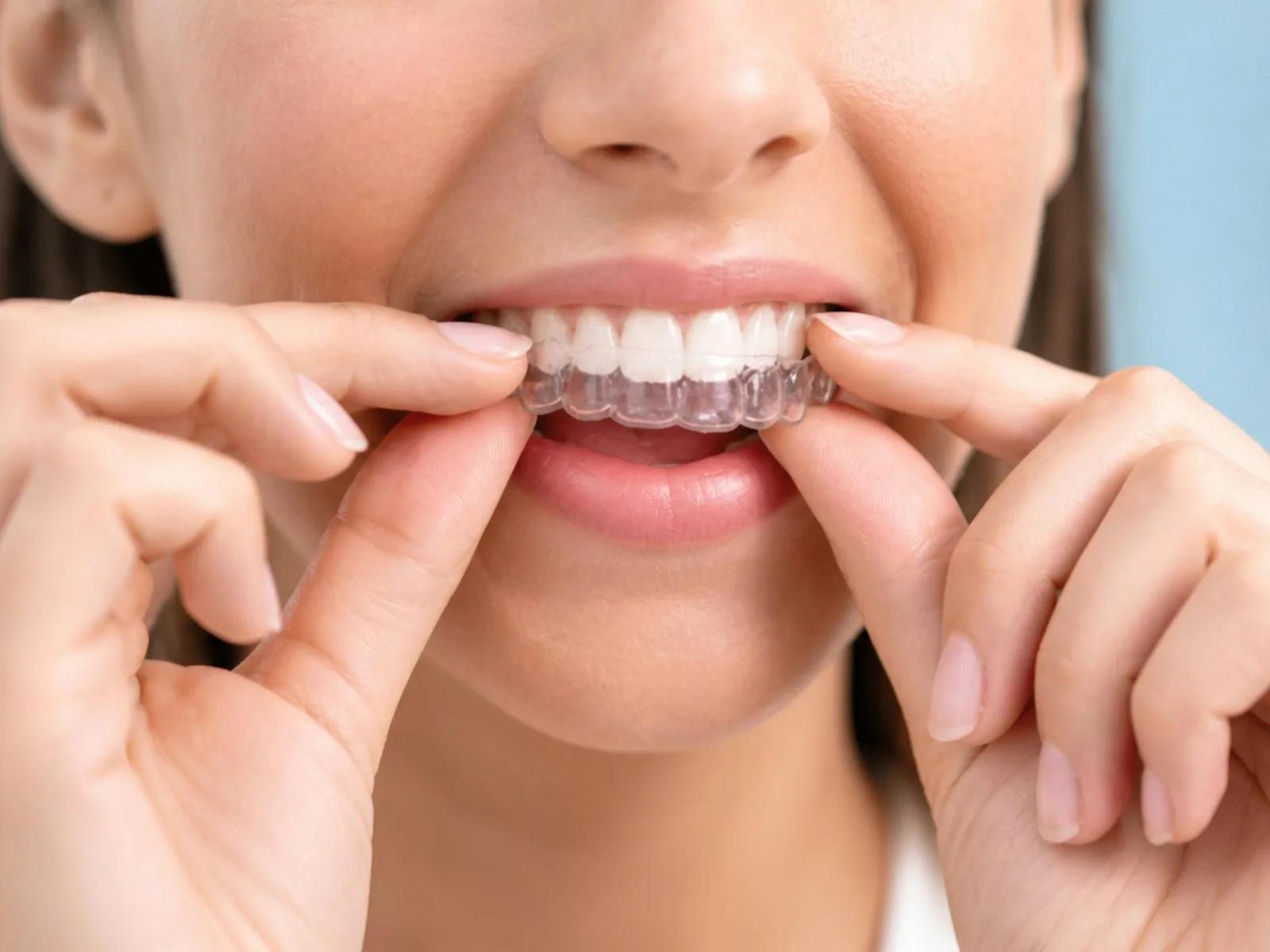
The day the last aligner comes out feels like the finish line. In one way it is, and in another it is the start of the part that keeps the result. Straight teeth do not stay where they were moved by themselves, and a retainer is what holds them there.
What a retainer does
Cleveland Clinic puts it simply: braces (or, in some cases, clear aligners) straighten your teeth, but your teeth can still move back towards their old position once the treatment ends. A retainer keeps them where they are now. The NHS gives the same instruction for braces: after they are removed you will need to wear a retainer, and the orthodontist will tell you for how long (Cleveland Clinic, NHS).
One thing a retainer does not do is straighten. It cannot apply the steady force that moves teeth. If you skipped it for a few weeks and your teeth have shifted, Cleveland Clinic says wearing it may nudge them back, and that you will probably feel some discomfort while it does.
The three types
| Type | What it is | Good to know |
|---|---|---|
| Hawley | A wire attached to plastic or acrylic; removable. | Made from an impression or scan of your teeth. |
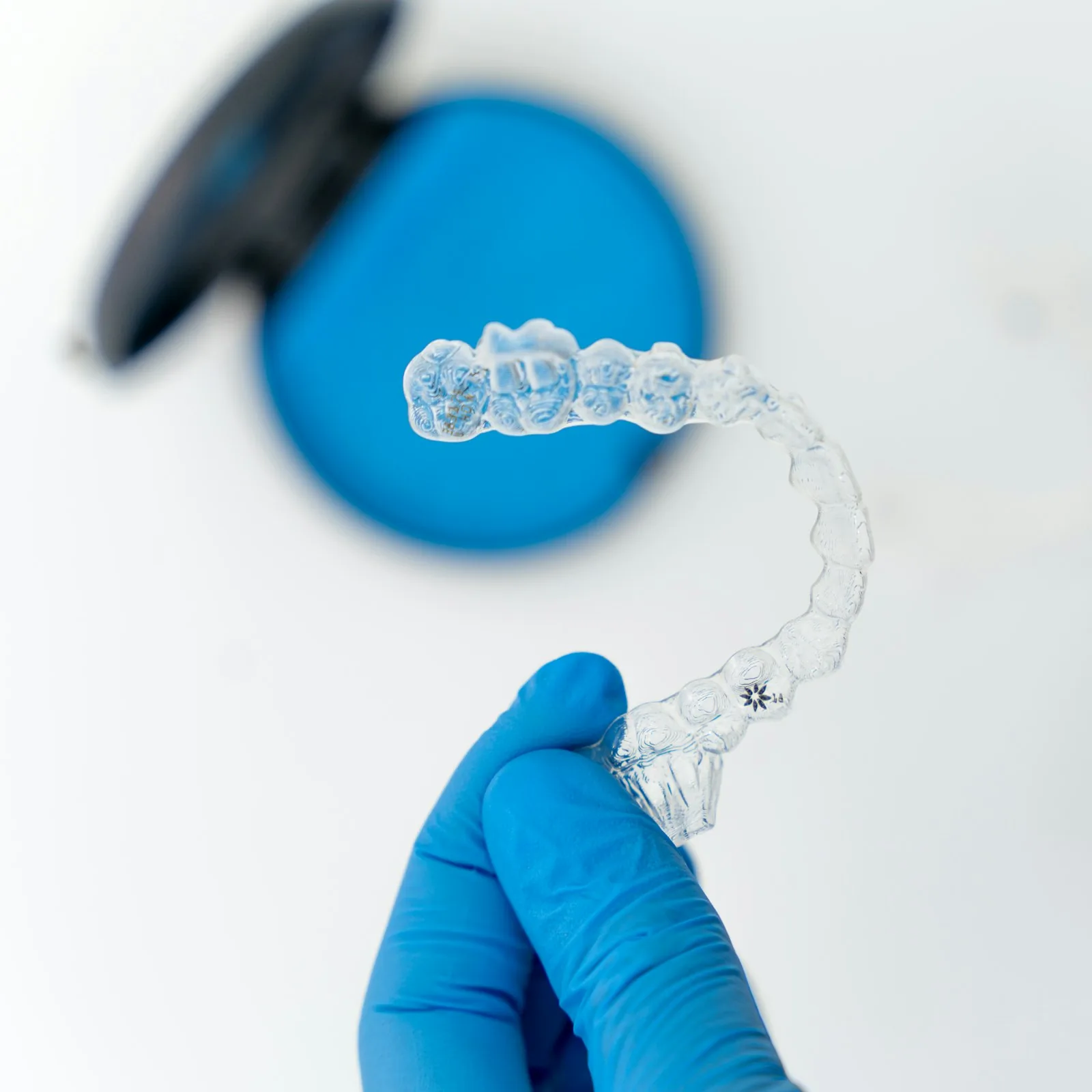
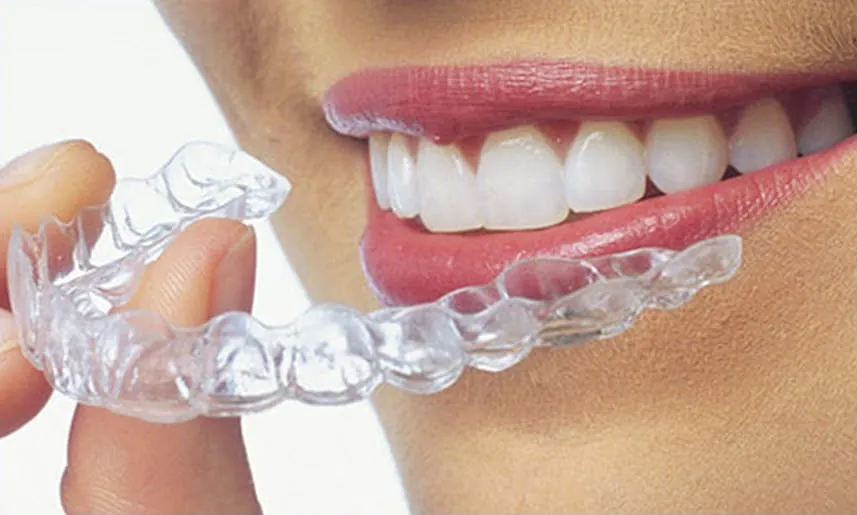
| Clear plastic (Essix) | A clear, moulded plastic tray worn over the teeth; removable. | Looks similar to an aligner, but holds teeth and does not move them. |
| Fixed | A thin metal wire bonded in place on the front upper or lower teeth. | You leave the visit with it in place, and you floss around it. |
For a removable retainer, Cleveland Clinic says you typically wait a week or longer while a lab makes it. A fixed retainer is placed in the same visit.
How long to wear it
Cleveland Clinic says you will likely wear a retainer day and night for at least four to six months, and then at night for the rest of your life. The NHS leaves the schedule to your orthodontist. Both agree on the principle: follow the plan you were given, because it was made for your teeth.
When you are not wearing a removable retainer, keep it in its case. Cleveland Clinic's list of ways retainers get lost or broken is a practical one:
- do not wrap it in a napkin, where it is easy to throw away;
- do not leave it in a hot place, such as a car, where it can melt;
- keep it away from pets that chew;
- take it out to eat, and do not chew gum while wearing it.
Keeping it clean
Clean the retainer once a day, and brush and floss your teeth before you put it in. Cleveland Clinic suggests antibacterial soap and water, and warns that some toothpastes are too harsh for the plastic. A retainer that is not cleaned properly can grow bacteria, which can contribute to bad breath, gum disease and cavities.
When it stops fitting
If a retainer feels too tight or no longer fits, your teeth have probably moved. Cleveland Clinic is clear that you should not force it: the retainer will need adjusting or replacing. The same applies if it breaks, since a broken one can scratch your gums or lips. Do not wait. The longer you leave it, the further teeth can shift, and the harder it becomes to fit a new one.
What to ask before you start aligners
A retainer is part of the plan from the first visit, not an afterthought. Ask early:
- Which type of retainer is planned for my case?
- When do I start it, and how often do I wear it at first?
- What do I do if it breaks or stops fitting?
- Who checks my teeth after the aligners finish?
Planning a gap closure with aligners? A Gap Between Your Front Teeth covers the options, and why keeping the result matters for them too. More about the treatment itself is on our clear aligners page.
Thinking about aligners? Book a private consultation, or write to us on WhatsApp, +961 3 757 127.
This article is general information, not a diagnosis. Treatment plans and results vary from person to person.