Smile design · 4 min read
A Smile Preview Is a Plan, Not a Promise: How to Use a Trial Smile
A smile preview shows the plan, not a guaranteed result. What a simulation and a try-in mock-up can and cannot show, and what to check when you wear one.
Mineers Smile Center
Seeing your smile before treatment is something digital dentistry has made possible. It is also easy to misread. A preview shows you the plan. It does not promise the result, and knowing the difference helps you use it well.
This article explains the two kinds of preview you may be offered, what each can and cannot tell you, and what to check when you try one on.
Two different previews
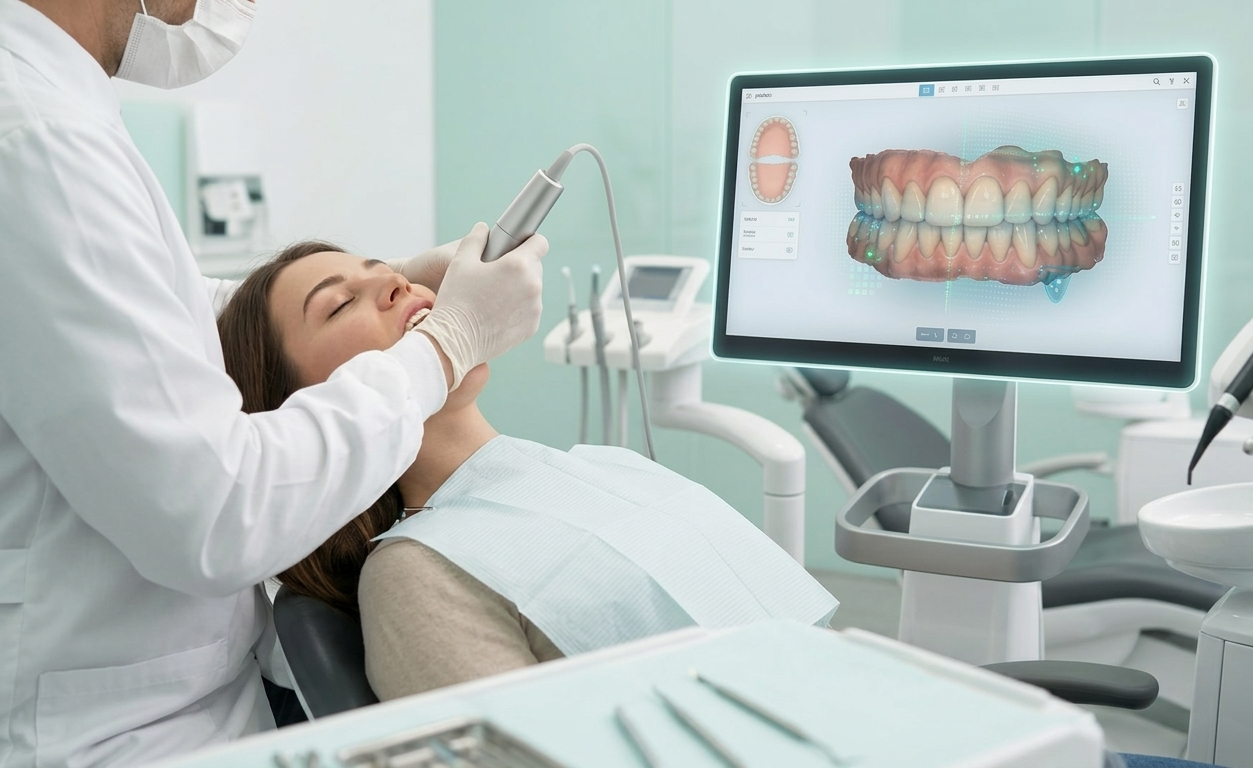
The simulation. Photographs, a scan of your face and a 3D scan of your teeth are combined on a screen. The new smile is drawn over your own photograph, so you can see the shape, length and proportion of the teeth against your own face. At Mineers, it is shown as a 3D simulation (What Is Digital Smile Design?).
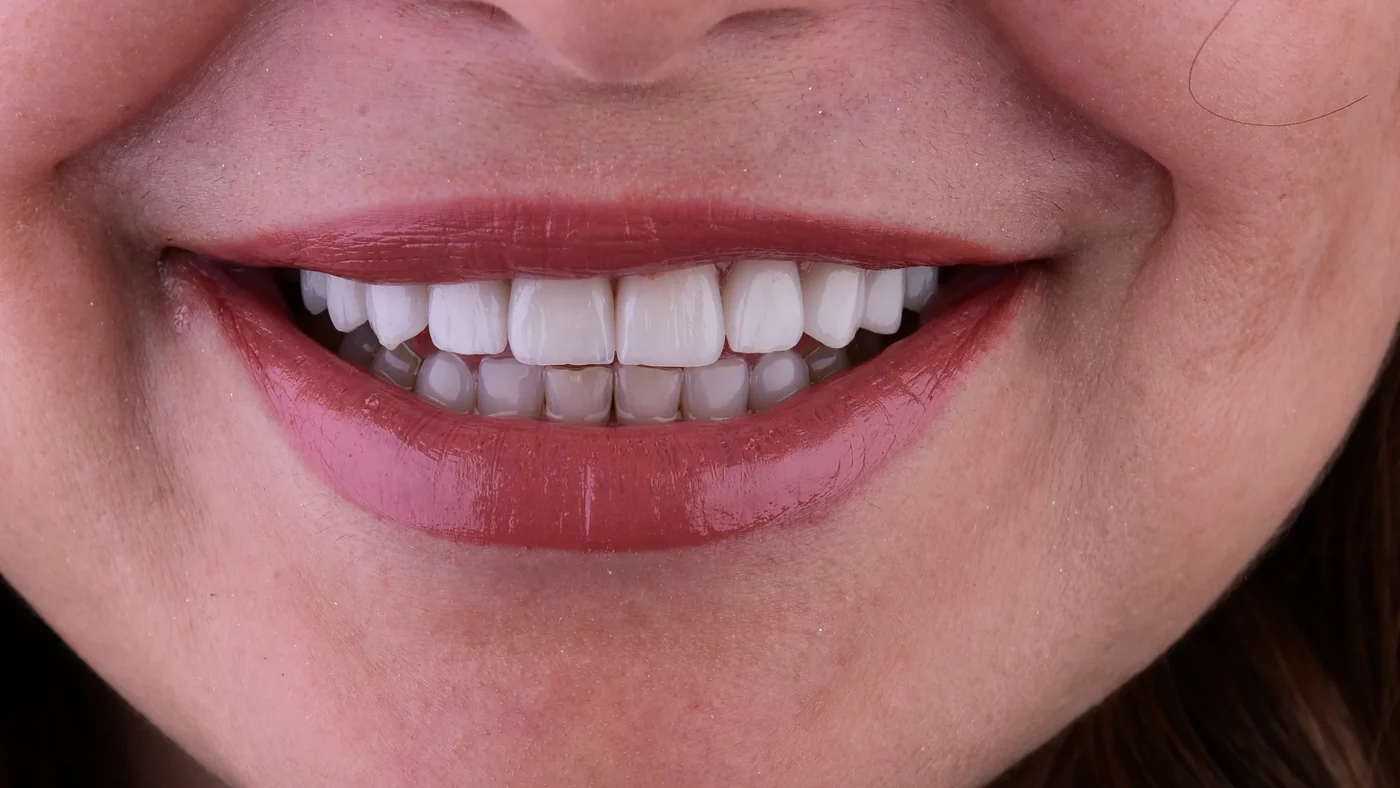
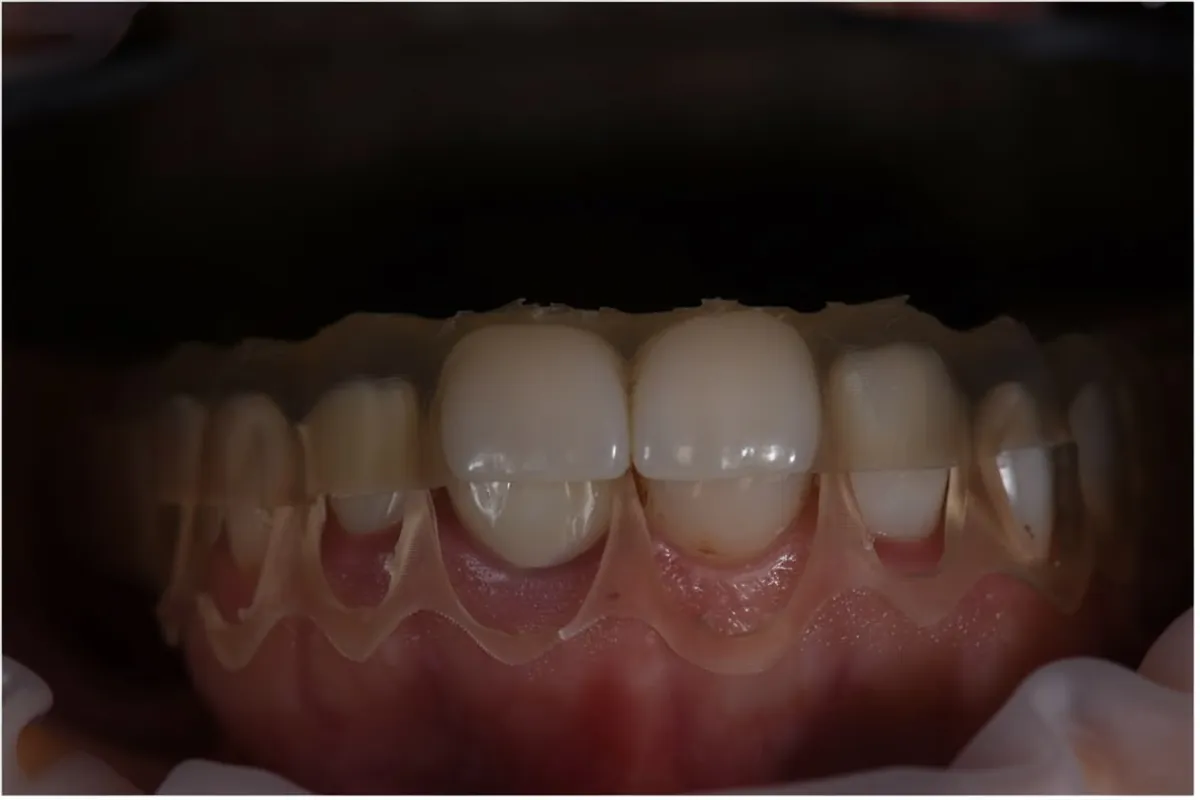
The trial smile. The design is then 3D-printed as a mock-up, which we call Testineers, and placed over your own teeth, without preparing them. You see it in the mirror, smile with it, and say what you would change (Smile Design).
The simulation is a picture. The trial smile is something you wear. They answer different questions, and the second one is more convincing, because you see how it moves with your face and lips.
What a preview shows you well
- Proportion. The length and width of the front teeth against your face and lips.
- Where the smile sits. The centre of the teeth against the centre of your face, and the curve of the edges against your lower lip.
- Overall shape. Softer or squarer, longer or shorter.
- How much you want to change. A preview makes it easy to see when a design is too much. If it looks too bright or too big on you, that is exactly what it is for.
What a preview cannot show
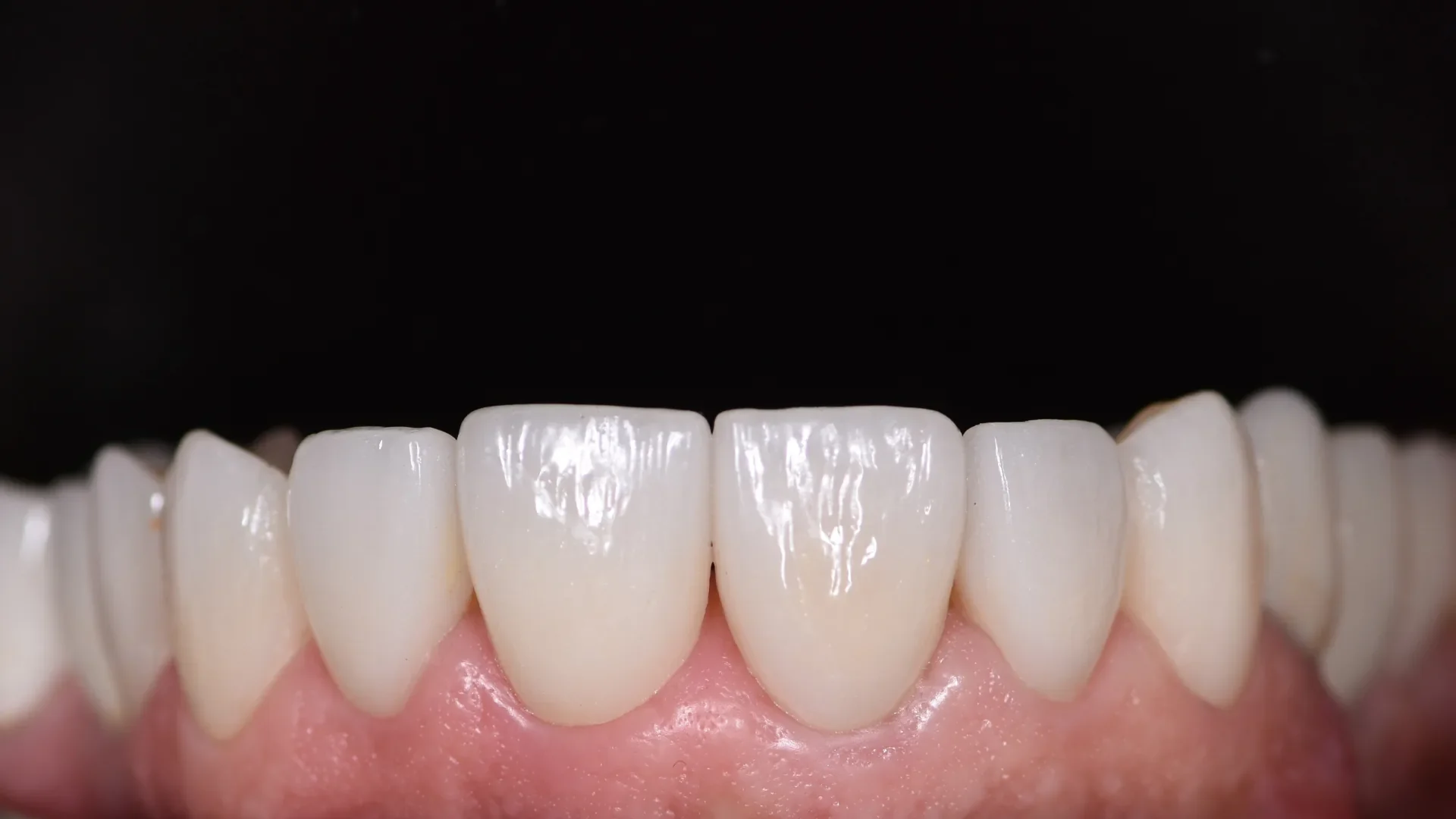
- The final material. A printed mock-up is not porcelain. The final result depends on the material, the shade and the way it is layered, which is built and checked at later stages.
- The exact shade in every light. Colour changes with daylight, indoor light and a screen. The shade is chosen and checked separately.
- How your teeth and gums will respond. The design guides the plan; the result also depends on the health of your teeth and gums and on your bite, which is why an examination comes first.
- A guarantee. A preview is a plan to agree on. It is not a promise of an identical result, and results vary from person to person.
What to check when you wear it
Take your time with a trial smile. Ask for a mirror and a phone, and check:
- Smile naturally, not for a photograph. Laugh, talk and say a few words. Does it look like you?
- Look from the side, as well as the front. A smile is seen from all angles.
- Look at the lips at rest. How much of the front teeth shows when your face is relaxed?
- Check the length and the shade. Are the teeth longer or brighter than you want?
- Note how it feels. The mock-up is not a final veneer, but it should help you judge the space the new teeth take up.
Then say exactly what you want changed. A good plan can be redrawn: at Mineers, what you want changed is changed, and the design is redrawn. Nothing moves forward until it is the smile you want, and the plan is agreed with you before anything is prepared.
"Do I have to go ahead?"
No. Seeing the design does not commit you to treatment. Some people see it and decide on a smaller change; some decide not to go ahead. Both are fine, and either is better than finding out afterwards.
Where the design can lead
The same design can be reached in different ways: porcelain veneers, composite bonding, moving the teeth with clear aligners, rebalancing the gum line, or implants where teeth are missing. Which is right is a clinical decision, made with you, once the design exists (Veneers, Bonding or Clear Aligners).
Planning veneers? Read Five Questions to Ask Before You Say Yes to Veneers before you go.
Would you like to see your own design first? Book a private consultation or send a few photos of your smile on WhatsApp, +961 3 757 127.
This article is general information, not a diagnosis. Treatment plans and results vary from person to person.