Veneers · 5 min read
Will My Veneers Look Natural? Six Details That Decide It
Whiter is not always better. Shade, translucency, texture, shape, thickness and the gum line: what makes veneers look natural, and how to check first.
Mineers Smile Center
"I do not want them to look fake." It is one of the most natural worries about veneers, and a fair one. Most people have seen veneers that are too white, too thick or all the same shape, and recognised them from across the room.
Veneers do not have to look like that. The American Dental Association describes veneers as custom-made, natural-looking coverings for the teeth (ADA MouthHealthy), and whether yours look natural comes down to a handful of details, most of them decided before a single tooth is touched. Here are the six that matter most, and how to check them before you commit.
1. A shade chosen for your face, not the whitest on the chart
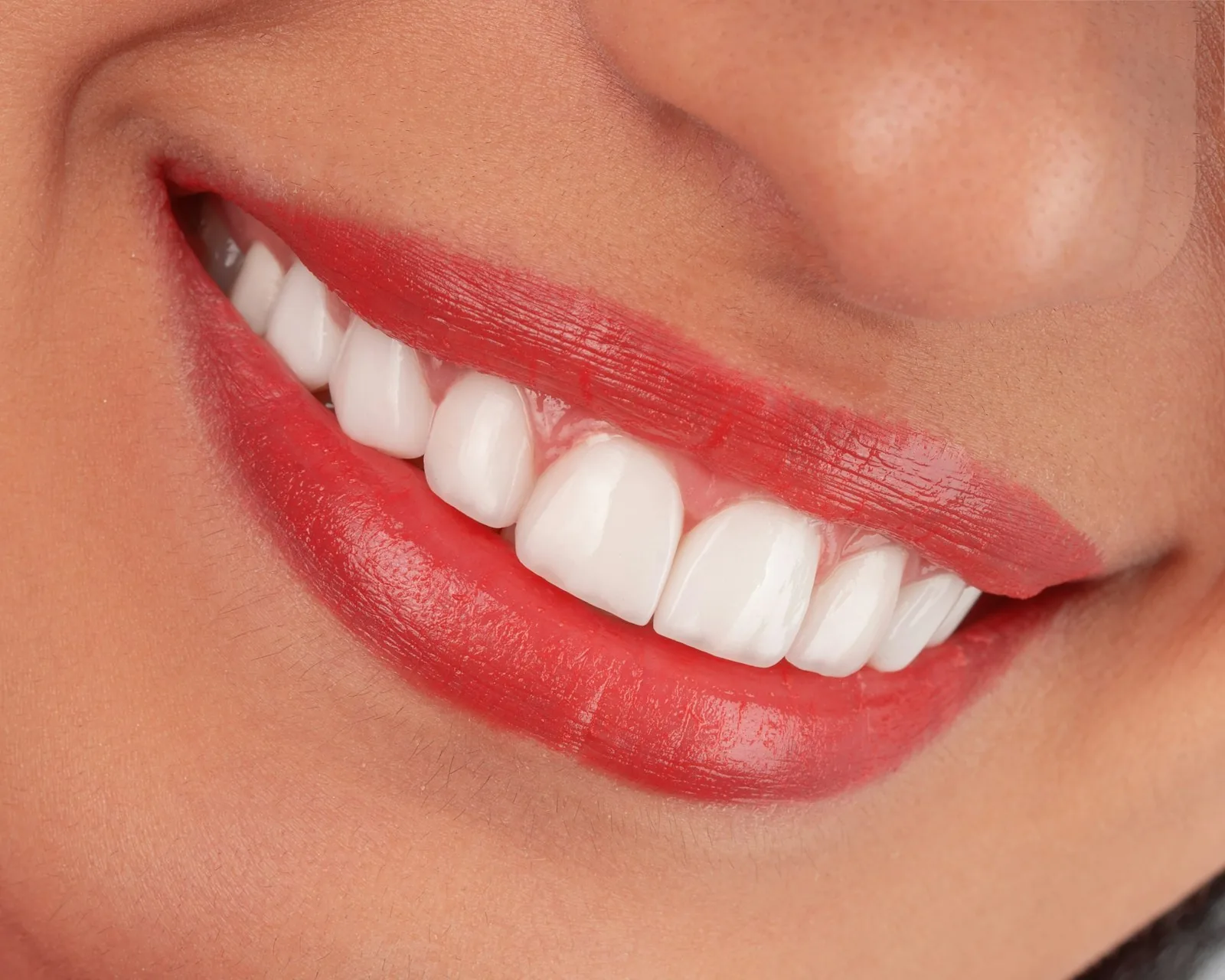
Whiter is not always better. Natural teeth are not one flat white: they are usually a little warmer near the gum and lighter towards the biting edge. A shade that suits you takes into account your skin tone, the whites of your eyes and your other teeth, as well as what you would like. A very bright, opaque white is often the first thing that gives veneers away.
Many people ask for a "Hollywood smile". A bright smile can still look natural. What makes it look artificial is rarely the brightness alone; it is brightness combined with no translucency, no texture and identical shapes, which are the next three points.
2. Translucency at the edges
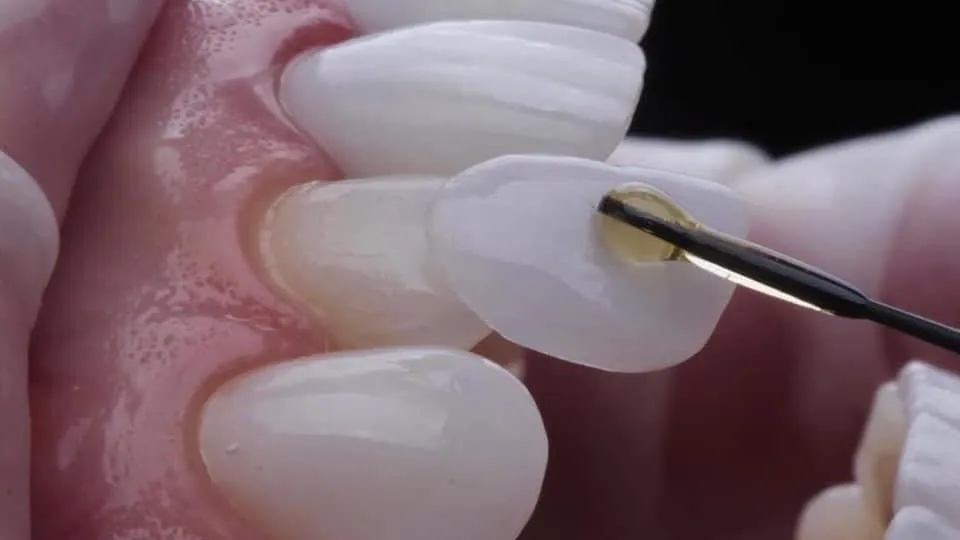
Hold a natural front tooth up to the light and its biting edge is slightly see-through. That translucency is part of what makes teeth look alive rather than painted. Porcelain can be layered to reproduce it. A veneer that is the same solid white from the gum to the edge cannot.
At Mineers, veneers are made in porcelain or in lithium disilicate ceramic (e.max), which has natural translucency, and the porcelain is layered, shaped and checked by hand before it reaches the mouth.
3. Surface texture
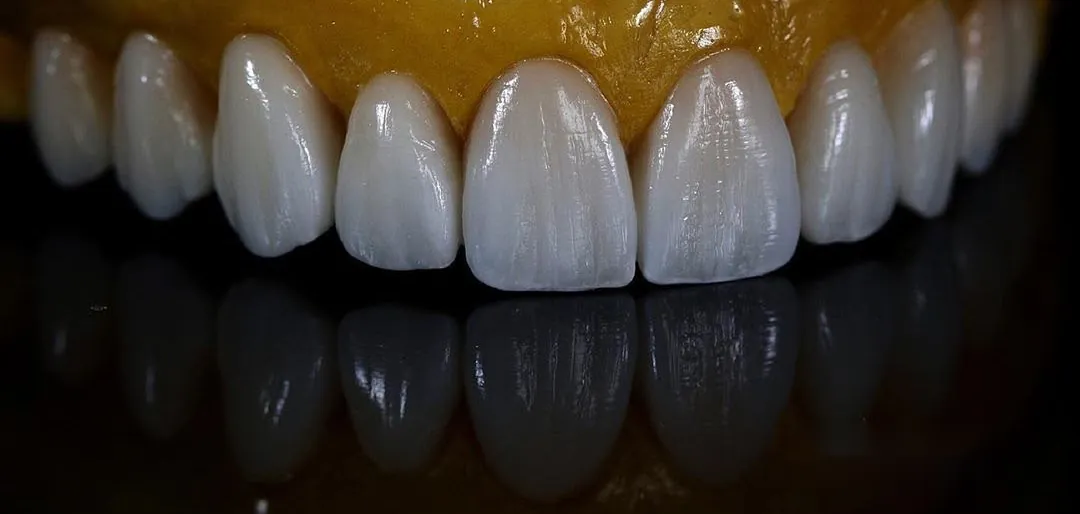
Natural enamel is not perfectly smooth. It has fine lines and gentle ridges that break up the light. A veneer polished to a flat, glassy shine reflects light like a mirror, which looks artificial in photographs and in daylight. Good porcelain is finished with a texture that reflects light the way a natural tooth does.
4. Shape and proportion
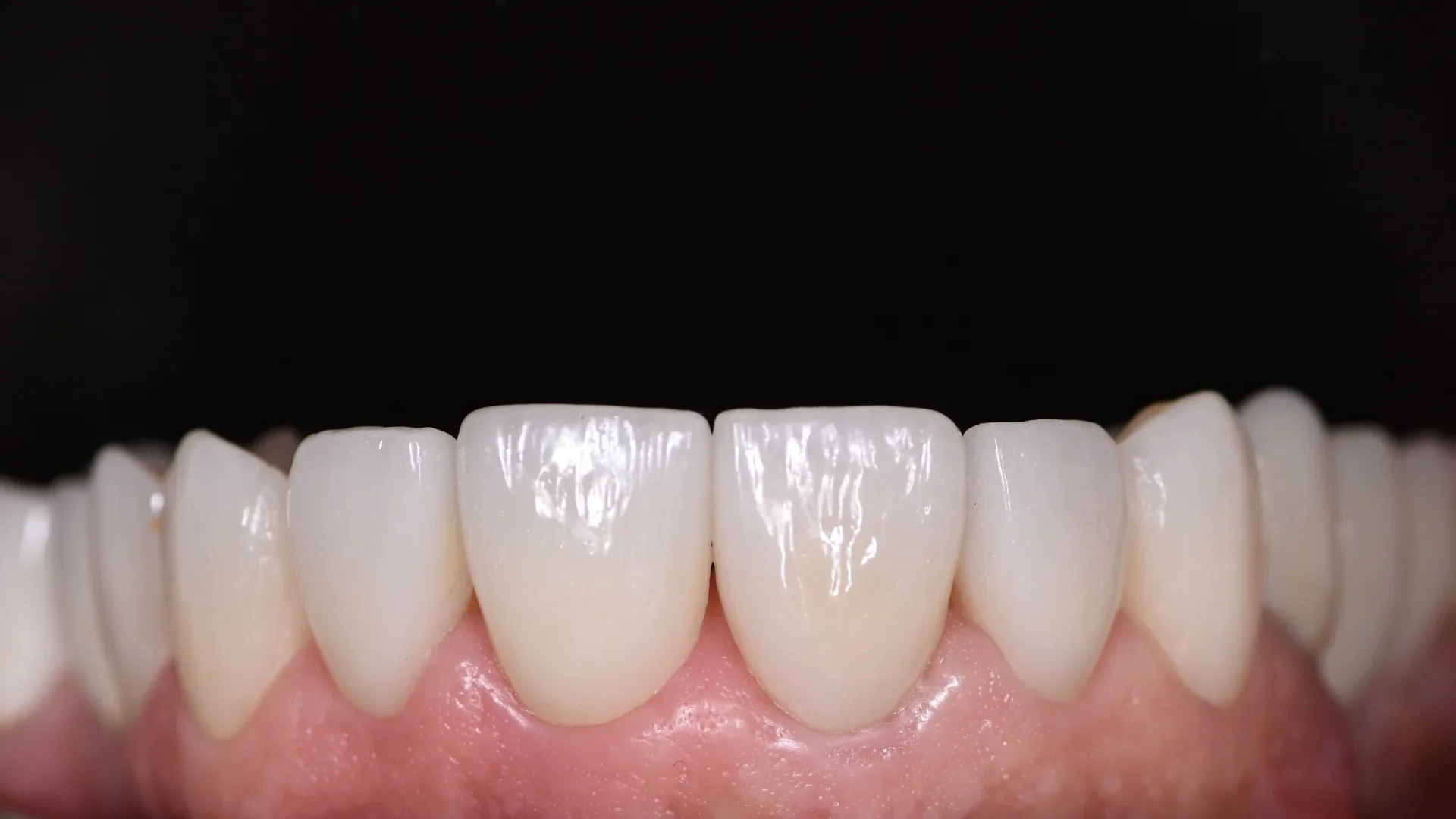
The teeth in a natural smile are not identical. The two front teeth are the largest, the ones beside them are smaller and softer in outline, and the canines are more pointed. When every veneer has the same shape and width, the result looks like a row of piano keys.
A good design sizes each tooth in relation to its neighbours, and fits the whole row to your face: the midline centred on your face, not only on your teeth, and the edges of the upper teeth following the curve of your lower lip when you smile.
5. Thickness
Bulky veneers make teeth look big and can push the lips forward. Porcelain veneers can be very thin, and only a small amount of enamel is usually prepared. But a tooth that is rotated, darker or set forward may need more preparation, so that its veneer sits in line with its neighbours instead of adding bulk. Thin porcelain and a natural profile are not always the same thing, which is why this is decided tooth by tooth, at the examination.
The ADA notes that veneer treatment is not reversible, because enamel is removed to place a veneer (ADA MouthHealthy). That is one more reason to be sure of the design before anything starts.
6. The gum line
The gum frames every tooth. Where a veneer meets the gum, the join should be clean and hard to find, and the gum should be healthy: pink and firm, not red or puffy. Inflamed gums make even well-made porcelain look wrong, which is why gum problems are treated first (Gum Health and Cosmetic Dentistry). The ADA also says that dental problems such as decay or gum disease must be treated before veneers are placed (ADA MouthHealthy).
If the gum line is uneven, it can sometimes be evened out before the veneers are made, so every tooth looks the right length (crown lengthening). At Mineers, the edges of each veneer are checked under the microscope.
How to judge a design before any tooth is touched
You should not have to imagine the result. Ask to see it.
- On screen. At Mineers, your smile is designed around your face, from photographs, a 3D face scan and a 3D scan of your teeth. It is shown to you as a simulation on your own smile, and refined with you (What Is Digital Smile Design?).
- On your own teeth. We then 3D print a mock-up of the design, which we call Testineers, so you can wear it and see it in the mirror. Shape, length, width, shade, translucency and surface texture can all be judged, and changed, at this stage.
- In ordinary light. Look at the preview in daylight, from the side as well as the front, and while you talk, not only while you smile. Take a photo with your phone: that is how most people will see your smile.
Questions to ask your dentist
- How did you choose the shade, and can I see it next to my natural teeth?
- Will the edges have some translucency?
- How thick will the veneers be, and how much preparation do my teeth need?
- Can I see and wear the design before you start?
- Are my gums healthy enough to start now?
- Can I see photos of natural-looking results you have done?
Already have veneers that look too white or too bulky? Replacing Old Veneers explains how a redo is planned. If you are comparing clinics, Why Two Veneer Quotes Can Look So Different shows what to compare, and our porcelain veneers page shows each step.
Want an honest opinion on what would suit your face? Book a private consultation or send a few photos of your smile on WhatsApp, +961 3 757 127.
This article is general information, not a diagnosis. Treatment plans and results vary from person to person.