Dental health · 4 min read
Smoking, Vaping and Your Smile: What They Do to Gums, Teeth and Healing
What the evidence says about smoking, vaping and oral health: gum disease, dry mouth, slower healing after treatment, implants, colour, and what changes when you stop.
Mineers Smile Center
Most people know smoking is bad for the lungs. Fewer know how much of the damage shows up in the mouth, and many people who vape assume it is a gentler choice for their teeth. This article sets out what the Victorian Government's public-health guide and the American Dental Association say, without judgement. Whether you smoke, vape, or are thinking of stopping, it helps to know what your dentist is looking for.
What the evidence says
The Better Health Channel says people who smoke or vape have a higher risk of gum problems, tooth loss, tooth decay, mouth cancer, and complications after tooth removal and mouth surgery. They are also more likely to get infections and do not heal as well as non-smokers (Better Health Channel).
It lists the most common oral problems as gum disease, mouth cancer, whitening of the soft tissue in the mouth, poor healing after tooth removal (dry socket), decay, tooth loss, dry mouth, changes in taste, bad breath, tooth erosion, tooth discolouration and mouth ulcers.
Gums
Smoking and vaping alter the blood supply to the gums, which stops the immune system from fighting the bacteria in plaque. The result, the guide says, is that gum disease progresses faster and responds less well to treatment, and that the risk rises with the level of nicotine. The ADA lists smoking or chewing tobacco among the risk factors for gum disease, and warns that gum disease is usually painless (ADA MouthHealthy). That is the reason to check your gums even when they feel fine; Bleeding Gums When You Brush explains the signs.
What is different about vaping
Vaping can seem gentler than smoking, but for the mouth the guide says the effects are similar. It notes that:
- e-liquids, even those labelled "nicotine-free", can contain harmful substances, including nicotine, heavy metals, volatile organic compounds and cancer-causing chemicals;
- the risk is much higher if the device contains nicotine;
- the main problem is dry mouth, which leads to taste changes and a higher risk of decay, erosion (acid damage), sensitivity and gum disease;
- propylene glycol and vegetable glycerine turn into acidic compounds when vaporised, and sweet flavourings can leave a sticky residue on the teeth;
- additives can discolour the teeth;
- the long-term effects are not fully known, though there is significant emerging evidence of effects on oral tissues.
Dry mouth matters because, as the ADA explains, saliva is the mouth's main defence against decay: it washes away food, neutralises acids and protects against infection (ADA MouthHealthy).
Healing, implants and treatment
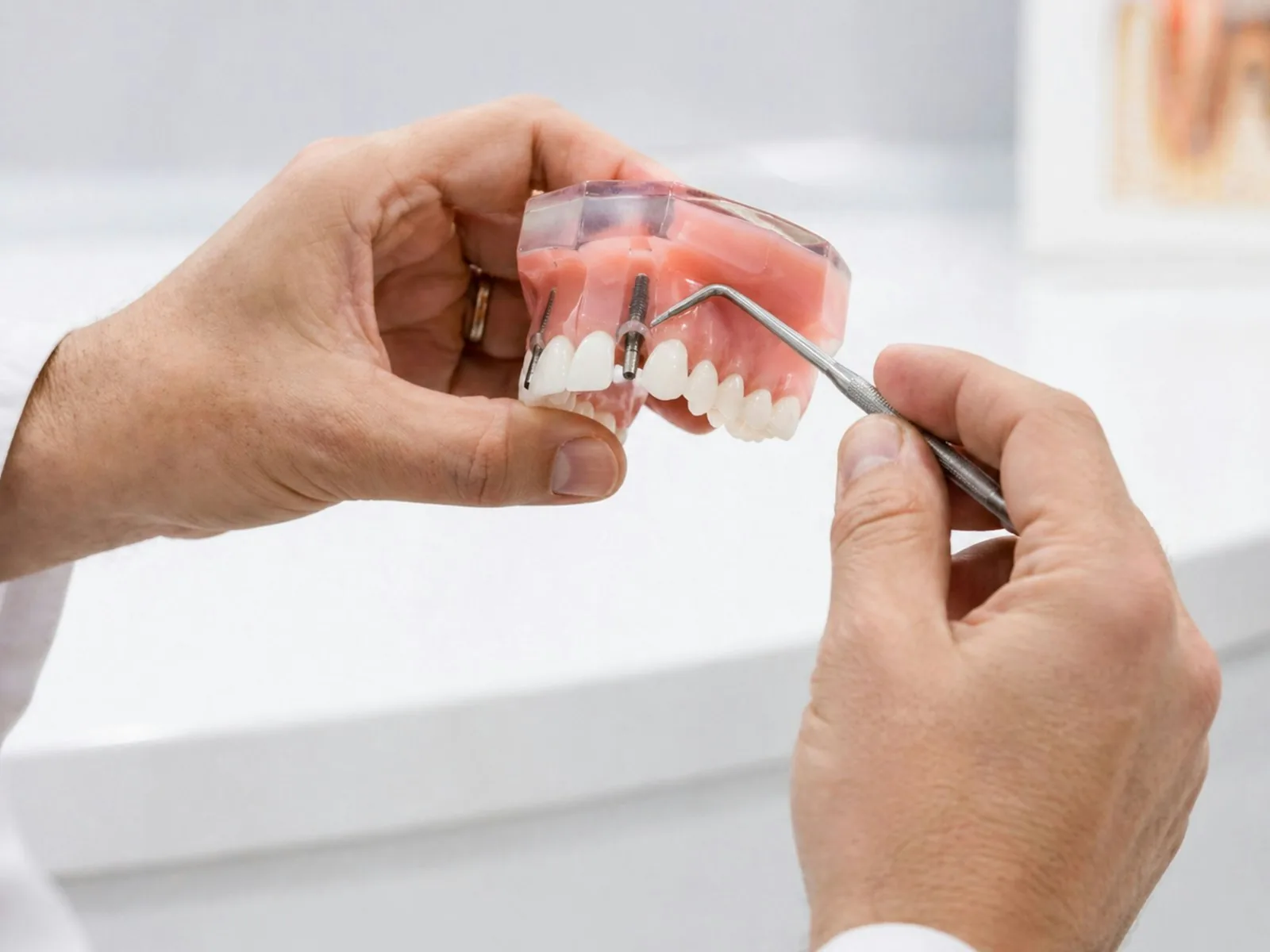
Nicotine makes it harder for the immune system to fight infection, which slows healing after a tooth is removed or the mouth is injured. The guide lists dry socket, more pain after oral and gum surgery, and less success with dental implants. The ADA says the same of implants: using tobacco can slow healing (ADA MouthHealthy). If you are thinking about an implant, tell the dentist at the start; see What to Expect During Dental Implant Surgery.
Colour
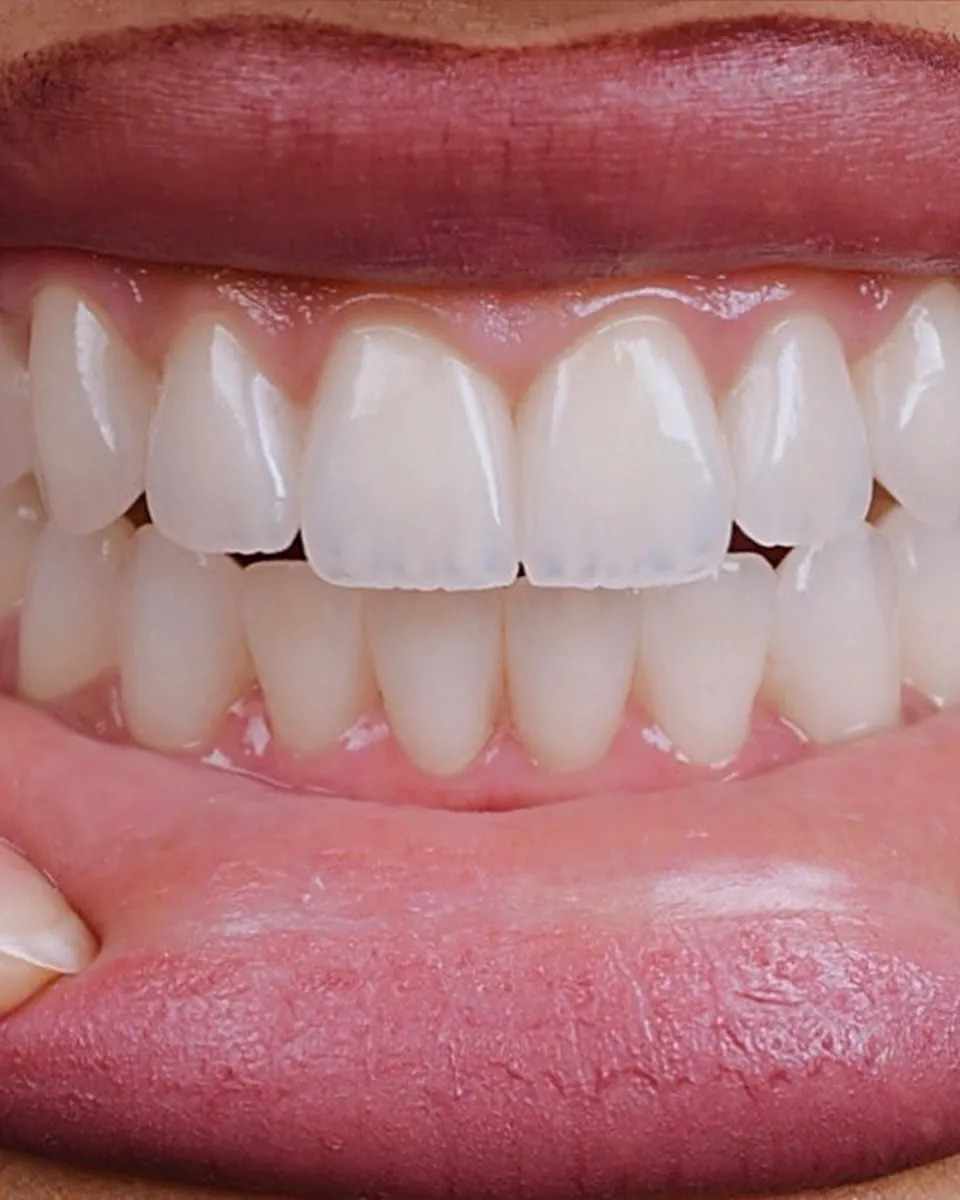
Tooth discolouration is on the guide's list of oral problems for people who smoke or vape. Why Do Teeth Change Colour? covers the other causes, and our page on teeth whitening goes through the choices; mention any smoking or vaping to the dentist before you start.
What changes when you stop
The guide's news is good. People who quit smoking or vaping have the same risk of developing gum disease, and of responding to gum treatment, as non-smokers, and the risk of mouth cancer eventually falls to that of non-smokers too. Do not be alarmed if your gums bleed more in the first period after you quit; see a dentist or dental hygienist, who can also show you how to care for your teeth at home.
What to do now
- Visit your dentist regularly, and tell them if you vape.
- Ask for a mouth check as part of your visit. The guide says mouth cancer symptoms include an ulcer that does not heal after 7 to 10 days (even if painless), a white or red patch, or swelling; see a dentist or doctor straight away if you notice any.
- Speak to your doctor or dentist about stopping, if you want to.
- Look after the basics: brushing twice a day with fluoride toothpaste, and cleaning between your teeth (Cleaning Between Your Teeth).
Want a check of your gums and teeth? Book a private consultation, or send a note on WhatsApp, +961 3 757 127. Everything you tell us stays confidential.
This article is general information, not a diagnosis. Treatment plans and results vary from person to person.