Whitening · 5 min read
Why Do Teeth Change Colour? Coffee, Tea and What Else Is Behind It
Coffee and tea stain teeth, but they are only part of the story. Why teeth look yellow, grey or dull, which colour changes sit on the surface and which come from inside, and the daily habits that help.
Mineers Smile Center
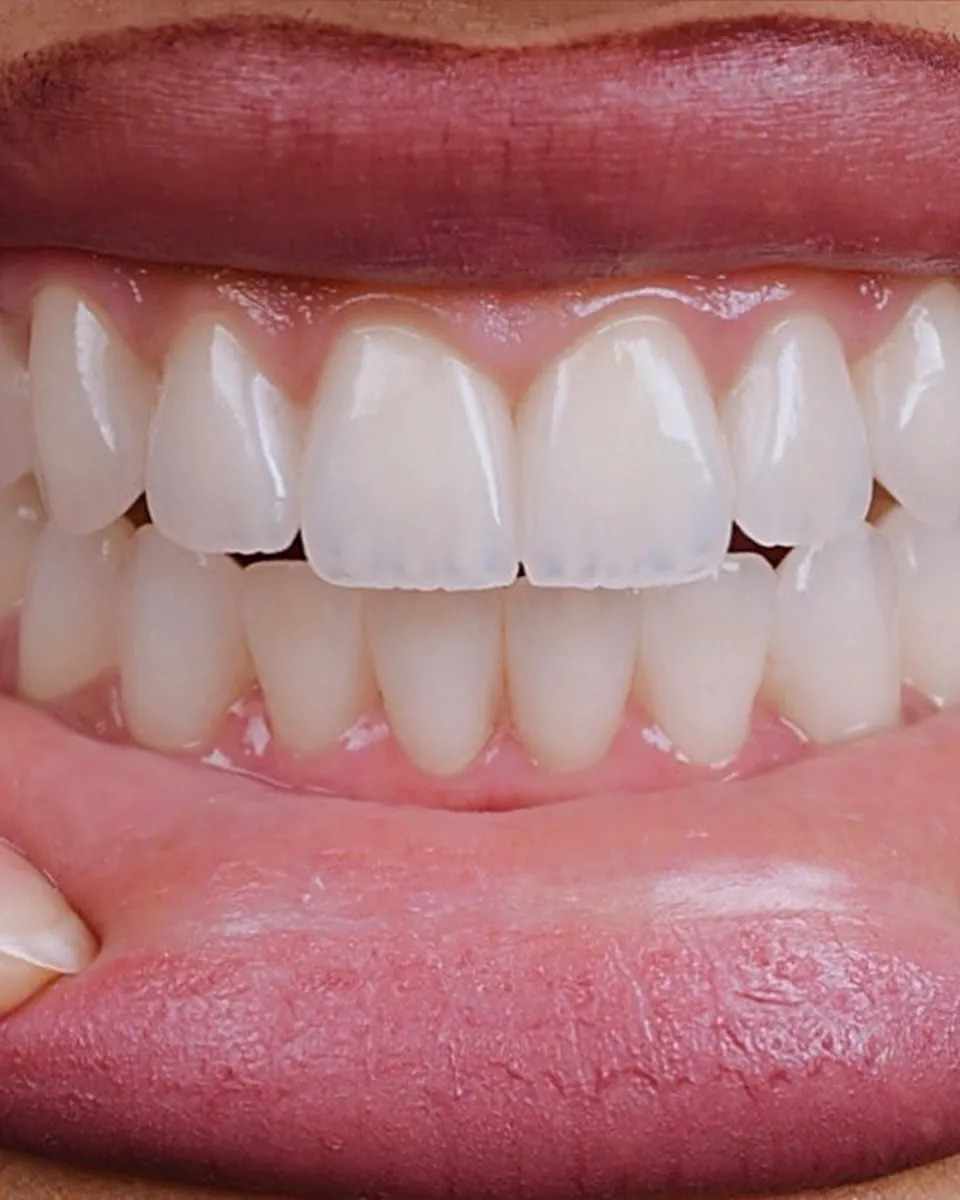
Morning coffee, afternoon tea, one more cup at four. It is the first thing most people blame when their smile looks darker than it used to. They are right, up to a point. Coffee and tea do stain teeth. But they are only one of several reasons a tooth changes colour, and the others are worth knowing, because they decide what can be done about it.
Two kinds of colour change
Dentists sort discolouration into two groups, and the difference is simple (Cleveland Clinic):
- Extrinsic: the stain sits on the outer surface of the tooth, the enamel. It usually comes from food and drink.
- Intrinsic: the change starts inside the tooth, in the dentin, the layer under the enamel. Dental injuries and some medicines are among the causes.
Surface stains and inside-the-tooth changes can look alike in a mirror. They do not behave alike when you try to treat them.
What stains the surface
Coffee, tea and red wine. The American Dental Association (ADA) names them as major staining culprits, and explains why: they carry intense colour pigments, called chromogens, that attach to the enamel (ADA MouthHealthy). Cleveland Clinic adds berries and soy sauce to the list of dark foods and drinks that can stain teeth over time.
Tobacco. Tar is naturally dark. Nicotine is colourless until it meets oxygen, and then it turns into a yellowish, surface-staining substance. The ADA says the two make stubborn stains.
These stains build up slowly, which is why a smile can darken without you noticing any one cup.
What changes from inside
Age and thinning enamel. The ADA explains that under the hard, white enamel lies a softer layer, the dentin, which is yellowish. Over time the enamel gets thinner with brushing, and more of the dentin shows through. Cleveland Clinic makes the same point about ageing.
Your natural shade. Natural tooth colour, brightness and translucency vary from person to person (Cleveland Clinic). Two people can drink the same coffee and start from different shades.
An injury. The ADA notes that a tooth that has been hit may change colour, because it reacts by laying down more dentin, which is a darker layer.
Medicines and treatments. The ADA lists some antihistamines, antipsychotics and blood pressure medicines as possible causes of darker teeth. Children who are given antibiotics such as tetracycline and doxycycline while their teeth are forming may have discoloured adult teeth later. Chemotherapy and head and neck radiation can darken teeth as well.
If one tooth is darker than its neighbours, do not assume it is coffee. An injury is one of the reasons the ADA gives, so it is worth having that tooth looked at rather than reaching for a whitening product.
Habits that help
None of these will change your natural shade, but they cost nothing and slow surface stains down. They come from Cleveland Clinic's prevention advice:
- Limit stain-causing drinks. Less tea, coffee, cola and red wine means fewer pigments reaching the enamel.
- Drink water, and rinse after stain-causing drinks. A glass of water after your coffee is the easiest habit on this list.
- Wait before brushing after acidic food and drink. Cleveland Clinic suggests giving yourself an hour after citrus, soda or candy, because brushing straight away can press the acid into softened enamel. (What Is Enamel Erosion? explains why.)
- Keep your cleanings and check-ups. Do not skip routine ones.
Cleveland Clinic lists smoking and poor oral hygiene among the causes that can be prevented, unlike ageing, disease or injury.
What toothpaste can and cannot do
All toothpastes remove some surface stain with mild abrasives. The ADA says stain-removal toothpastes with its Seal of Acceptance do not change the colour of the teeth, because they can only remove stains from the surface. That is useful against a coffee habit. It is not bleaching, and it will not lighten a tooth that is naturally yellow.
When whitening helps, and when it does not
Whitening products use hydrogen peroxide or carbamide peroxide, which break stains into smaller pieces and make the colour less concentrated. The ADA is honest about the limits: whitening may not correct all types of discolouration. Yellow teeth will probably bleach well, brown teeth may not respond as well, and teeth with grey tones may not bleach at all. It will not work on caps, veneers, crowns or fillings, and it may not help if the colour comes from medicines or an injury. Does Whitening Ruin Your Teeth? goes through the common worries, and How Teeth Whitening Works explains the types.
Cleveland Clinic notes that when whitening does not improve a deep discolouration, dentists may suggest bonding or porcelain veneers to cover it. That is a bigger decision, because enamel is removed for a veneer and the treatment cannot be reversed (ADA MouthHealthy). If you are unsure which side of that line your teeth fall on, Whitening or Veneers? sets out how to tell.
A simple order of steps
- Find out what kind of colour you have. Surface, inside, or both. Only an examination can tell you.
- Treat anything that needs treating first. The NHS says a dentist should check that your teeth and gums are healthy before whitening (NHS).
- Then choose the lightest option that does what you want.
You do not need to give up your coffee. You do need to know what you are looking at before you decide what to do about it.
Not sure what is behind the colour of your teeth? Book a private consultation and we will tell you honestly what is possible, or send a few clear photos of your smile on WhatsApp, +961 3 757 127. How to Send a Photo of Your Smile shows which ones help.
This article is general information, not a diagnosis. Treatment plans and results vary from person to person.