Dental health · 4 min read
Chipped or Cracked Tooth: What to Do First and How It Is Repaired
A chipped, cracked or broken tooth is common and can usually be treated. What to do in the first hours, why a crack should be checked even when it does not hurt, and the repair options from smoothing to a crown.
Mineers Smile Center
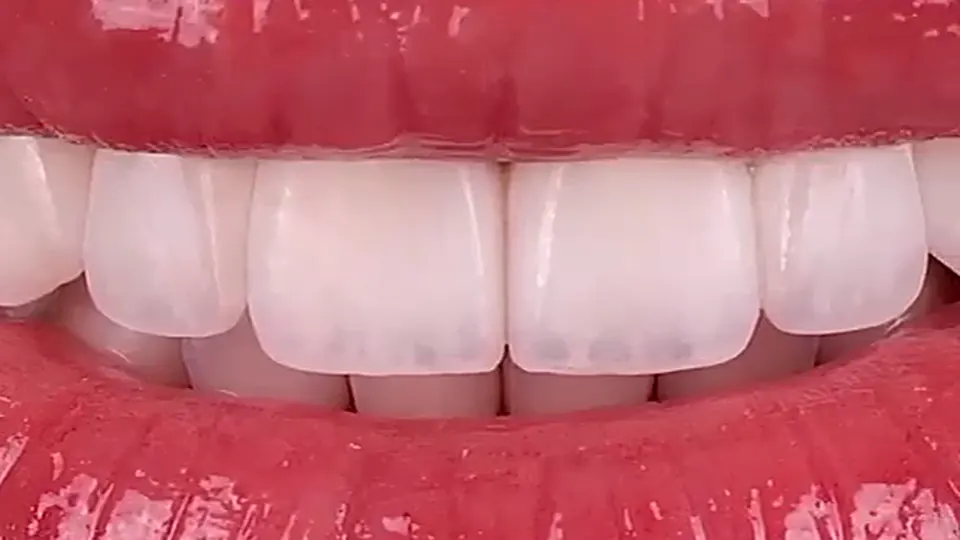
Biting into a hard seed, a fall, an old filling that finally gives way: a chipped tooth usually happens in a second and feels much bigger than it is. The NHS says chipping, breaking or cracking a tooth is usually not serious, and that a dentist should be able to treat it (NHS). Here is what to do first, and what the repair options are.
What to do first
- If a piece has come off, keep it. The NHS says to put it in milk or saliva and take it to the dentist, who may be able to glue it back on.
- Rinse and cool. The ADA says to rinse your mouth with warm water to clean the area and put cold compresses on your face to keep any swelling down (ADA MouthHealthy).
- Be gentle with it. Avoid biting on that side until a dentist has seen the tooth.
- Call your dentist and describe what happened. The ADA says most dentists reserve time in their daily schedule for emergency patients, and asks you to give as much detail as you can.
If the whole tooth has been knocked out, the ADA says to keep it moist at all times and, if you can, put it back in the socket without touching the root. If you cannot, hold it between your cheek and gum or in milk, and get to a dentist right away.
Why a crack should be checked, even when it does not hurt
The Oral Health Foundation describes several kinds:
- Craze lines are tiny surface cracks in the enamel. They are common, cause no pain and do not need treatment.
- A cracked tooth starts on the biting surface and travels towards the root.
- A cracked cusp affects the pointed part of a back tooth, which can break away and cause pain when you bite.
- A split tooth is often the result of an untreated crack that spreads until the tooth splits into pieces.
A cracked tooth, unlike a broken bone, cannot heal itself, and cracks often do not show on a standard X-ray. To find one, a dentist may use a bright light or a special dye, or recommend a detailed 3D scan (Oral Health Foundation). The signs to watch for are pain when you bite or chew, sensitivity to hot or cold, and pain that comes and goes. Early treatment can stop a crack from getting worse.
What causes it
The same source lists grinding or clenching, large fillings that weaken the tooth, biting hard foods such as ice, fruit stones, bones or hard sweets, sudden knocks, gum disease, and sudden changes of temperature, such as hot food followed by something cold. Of those, grinding is the one people most often do not know about. The ADA's simple prevention list is to wear a mouthguard for sport, avoid chewing ice, popcorn kernels and hard candy, and use scissors, never your teeth, to cut things.
How it is repaired
The treatment depends on how deep the damage goes, and whether it has reached the nerve or the root. The options named by the NHS and the Oral Health Foundation, from the smallest to the largest:
| Option | When it is used |
|---|---|
| Gluing the fragment back | When the piece is available. |
| Smoothing and polishing | Very small chips or cracks, where the surface can be gently contoured. |
| Bonding | Tooth-coloured resin to fill a chip or seal a crack and restore the shape. |
| A filling | Listed by the NHS, with a crown, as a repair for a chipped or broken tooth. |
| A veneer | A porcelain shell bonded to the front, if enough healthy tooth remains. |
| A crown | A cap that covers the whole tooth; larger cracks often need one. |
| Root canal treatment | If the nerve is exposed or affected, usually before a crown. |
| Removal | In some cases where a crack goes deep into the root. |
At Mineers, bonding for a small chip is usually completed in one appointment, and our composite bonding page shows how. When a bigger repair is needed, our guides explain crowns and veneers and why a root canal sometimes comes before a crown. A chip that is mainly a cosmetic concern may suit porcelain veneers. Which one is right depends on the tooth, and only an examination can say.
After the repair
Look after a repaired tooth as you would any other, and mind the habits that caused the break. Composite Bonding: How Long It Lasts and How to Look After It has the practical details.
Have you chipped a tooth? Send a photo and a short note on WhatsApp, +961 3 757 127, or book a private consultation. If you are in pain, tell us how long it has lasted, and if you have swelling in your face or any difficulty breathing or swallowing, seek emergency medical care first.
This article is general information, not a diagnosis. Treatment plans and results vary from person to person.