Bonding · 4 min read
Composite Bonding: How Long It Lasts and How to Look After It
How long composite bonding typically lasts, what shortens its life, and the everyday habits that protect it: what not to bite, what stains it, how to clean it, and when to call your dentist.
Mineers Smile Center
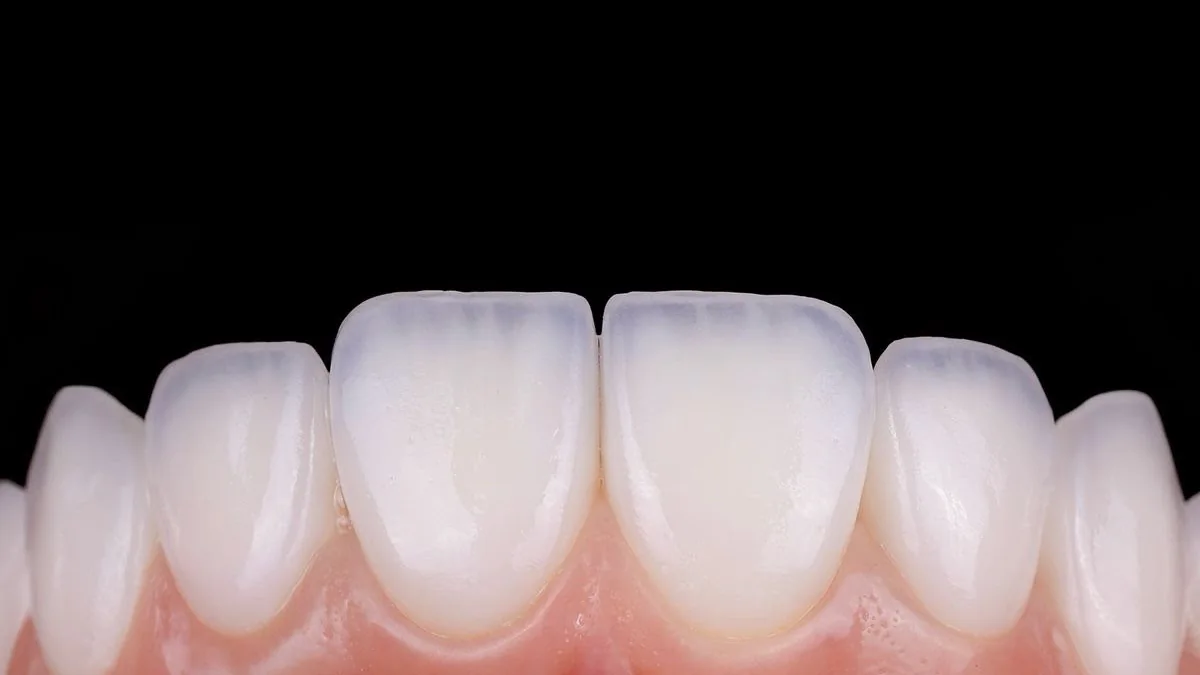
Composite bonding is one of the quickest ways to repair a small chip, close a narrow gap or change the shape of a tooth. The dentist shapes tooth-coloured resin directly on the tooth, hardens it with a light and polishes it, and in most cases you leave with the tooth finished.
The same thing that makes bonding quick also explains why it needs a little care. It is a layer of resin on your own tooth, not a ceramic shell made in a laboratory. Here is how long it can be expected to last, what shortens its life, and what you can do about it.
How long does composite bonding last?
Cleveland Clinic says the bonding material typically lasts between three and 10 years before it needs to be touched up or replaced, and that how long it lasts depends on things like your oral habits and how many teeth were treated (Cleveland Clinic).
That is a wide range, and it is an average, not a promise. Two people with the same repair can see different results, because they bite, brush, eat and drink differently. Ask your dentist what to expect for your tooth and for the size of the repair, rather than relying on one number.
Cleveland Clinic also makes two honest points. Bonding is somewhat stain-resistant, but not as resistant as porcelain, and it can chip over time. In return, because it usually needs little or no removal of enamel, it can be reversed at any time. That is the main trade-off, and the reason it is often the first thing to try for a small change (Porcelain Veneers vs Composite Bonding compares the two).
What shortens its life
Biting things that are not food. Cleveland Clinic names three habits that can chip bonding: biting your fingernails, chewing on pens and using your teeth to open packages. The ADA adds a wider rule for all teeth: avoid chewing ice, popcorn kernels and hard candy, and use scissors, never your teeth, to cut things (ADA MouthHealthy).
Grinding or clenching. The Oral Health Foundation lists grinding or clenching among the common causes of cracked teeth (Oral Health Foundation). If you wake with a tired jaw, or someone hears you at night, tell your dentist before or after bonding. Grinding Your Teeth: What It Can Do and What Helps explains the signs.
Sports. The ADA recommends a mouthguard for sport, and says a mouthguard custom-made for your mouth by your dentist is the one to aim for (ADA MouthHealthy).
What stains it
Dark drinks, acidic food and smoking. Cleveland Clinic suggests that to protect bonding from staining you drink fewer dark beverages such as coffee, tea and red wine, limit foods with acid such as citrus and vinegar, and try to quit smoking if you smoke. You do not have to give up your morning coffee; it is a matter of how often. Why Do Teeth Change Colour? explains how stains form.
One thing worth knowing before you start: bonding is matched to the colour of your teeth on the day. If you are thinking of whitening as well, mention it at your consultation, so that you and your dentist can decide the order.
Everyday care
There is no special routine. Cleveland Clinic's advice is the same as for any teeth:
- Brush at least twice a day with a soft toothbrush and fluoride toothpaste.
- Floss between your teeth once a day.
- Use an alcohol-free mouthwash.
- See your dentist for regular check-ups and cleanings.
Regular visits also give your dentist a chance to look at the bonded edges before a small problem becomes a visible one.
What to expect after the visit
You may have short-term sensitivity after bonding, which over-the-counter pain relievers can ease. Bonding usually needs no downtime, so you can carry on with normal activities when you leave the chair (Cleveland Clinic).
When to call your dentist
Contact your dentist if:
- you notice a sharp edge on a bonded tooth;
- the tooth feels odd when you bite down;
- a piece has chipped off, or the edge looks rough or stained.
Cleveland Clinic says the first two can be corrected at an appointment, and describes bonding as material that is touched up or replaced over time, so a chip is not the end of the treatment. If a natural tooth is chipped or cracked, the steps are in Chipped or Cracked Tooth: What to Do First and How It Is Repaired.
Bonding at Mineers
At Mineers, composite is matched to the shade of your own teeth, built up in thin layers, hardened with a curing light and polished. In most cases the treatment is completed in a single appointment, with little or no enamel removed. Our composite bonding page shows the steps. If you are not sure whether bonding, veneers or something else suits your tooth, Veneers, Bonding or Clear Aligners can help you narrow it down.
Would you like to know whether bonding suits you? Book a private consultation or send a few clear photos of your smile on WhatsApp, +961 3 757 127.
This article is general information, not a diagnosis. Treatment plans and results vary from person to person.