Dental health · 4 min read
Grinding Your Teeth: What It Can Do and What Helps
Many people grind or clench their teeth without knowing it. The signs to look for, what often sits behind it, how it can wear or crack teeth, and what a dentist may suggest.
Mineers Smile Center
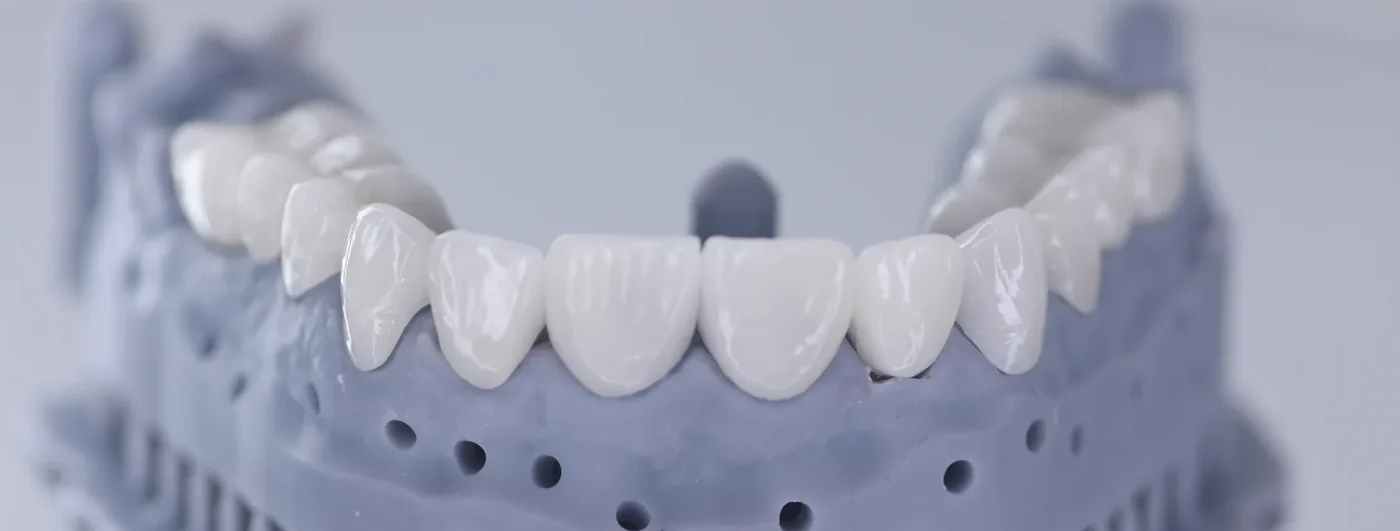
Most people who grind their teeth do not know they do it. It happens while you sleep, or while you concentrate, and the first clue is often something else: a tired jaw in the morning, a worn edge, a tooth that has started to feel sensitive. This is what it can do, what usually sits behind it, and what a dentist can suggest.
What is it?
Teeth grinding, also called bruxism, is clenching your jaw or grinding your teeth together. The NHS says it can happen while you are awake or asleep (NHS).
What are the signs?
The NHS lists these, besides the grinding and clenching itself:
- a painful jaw, which can lead to a condition called temporomandibular disorder (TMD);
- worn-down or broken teeth, which can cause increased sensitivity and loss of teeth and fillings;
- headaches;
- earache;
- disturbed sleep.
Other people may notice before you do. The NHS says to see a dentist if your partner says you grind your teeth in your sleep, if you grind and have tooth damage or sensitive teeth, or if you grind and have pain in your jaw, face or ear.
Why do people grind?
It is not always clear. The NHS says stress and anxiety are the most common cause, and that it is often linked to:
- sleep problems such as snoring and sleep apnoea;
- medicines for sleep problems, depression or anxiety;
- smoking;
- drinking a lot of alcohol or caffeine.
What can it do to your teeth?
Over time, grinding can wear the teeth down. The Oral Health Foundation lists grinding or clenching among the common causes of cracked teeth, alongside large fillings, biting hard foods such as ice, sudden knocks, gum disease and sudden changes of temperature (Oral Health Foundation). It adds that some cracks are easy to miss, and that early treatment can make a big difference. Chipped or Cracked Tooth explains what to do if one happens.
If you have bonding, veneers or crowns, tell your dentist that you grind, whether or not you have noticed damage. It is something a dentist can take into account when planning the work and checking it afterwards. Replacing Old Veneers: When a Redo Makes Sense and Composite Bonding: How Long It Lasts cover how restorations age.
What helps?
The NHS says treatment is not always needed. It suggests:
Things you can do
- Find ways to relax, such as breathing exercises, listening to music and regular exercise.
- Improve your sleep: go to bed at the same time every night, relax before bed, and keep your bedroom dark and quiet.
- Have regular dental check-ups.
- For jaw pain or swelling, use painkillers such as paracetamol or ibuprofen, or an ice pack wrapped in a tea towel for 20 to 30 minutes. Ask a pharmacist which medicine is right for you.
Things to avoid
- Smoking, and too much alcohol or caffeine.
- Chewing gum or eating hard foods if you have tooth or jaw pain.
What a dentist may offer. The NHS says a dentist may recommend a mouth guard or mouth splint, worn at night to protect your teeth from damage, which can be made by a dentist to fit precisely over your upper or lower teeth. A GP can help with some of the causes, such as stress, anxiety, smoking or drinking too much.
The ADA notes that a custom-made mouthguard, made by your dentist for you personally, is the best-fitting type, and that off-the-shelf ones often fit less well (ADA MouthHealthy). That page is about sport, but the idea of a precise fit is the same.
When to book a visit
Book a check-up if you notice any of these: a jaw that is tired or sore when you wake, worn or shorter-looking teeth, new sensitivity, a chip that has no clear cause, or a partner who hears you at night. Bring up any bonding, veneers or crowns you already have. At Mineers, ask us at your consultation whether a night guard would suit you. Sensitive Teeth: Common Causes and When to See a Dentist covers one of the most common signs.
Book a private consultation or write to us on WhatsApp, +961 3 757 127.
This article is general information, not a diagnosis. Treatment plans and results vary from person to person.