Root canal · 4 min read
Do You Need a Root Canal Before a Crown? Not Always
A crown protects the outside of a tooth; a root canal treats the inside. When you need one, both, or neither, and why a back tooth often gets both.
Mineers Smile Center
Many people assume a crown always comes with a root canal. It does not. The two treatments do different jobs, and you can have either one without the other.
Two different jobs
A crown is a cap that covers the outside of a tooth. It is used when a tooth is weakened, for example by a large filling, a crack or heavy wear, and needs protecting from breaking.
A root canal treats the inside. Every tooth has a soft core, the pulp, which holds its nerve and blood supply. If the pulp becomes badly inflamed or infected, the root canals are cleaned and sealed so the tooth can be kept instead of removed. The American Dental Association describes root canals as the answer for a severely damaged or decaying tooth, or a serious tooth infection (ADA MouthHealthy).
So a crown is about strength, and a root canal is about health. One does not require the other.
When a crown is placed without a root canal
If the pulp inside is healthy, a crown can be placed directly. That is common when a tooth has a large old filling, has cracked or worn down, or needs reshaping or protecting. The nerve is alive and well, and nothing has to be done inside the tooth.
When a root canal comes first
If the pulp is inflamed or infected, the inside of the tooth has to be treated before anything is built on top of it. Signs that a tooth should be looked at include:
- Sensitivity to hot or cold that lingers after the drink is gone
- Throbbing pain that starts on its own, especially at night
- Swelling, or a small pimple on the gum near the tooth
- Pain when you bite or chew on one side
- A tooth that has turned grey or dark
- A deep cavity or an old filling that has become uncomfortable
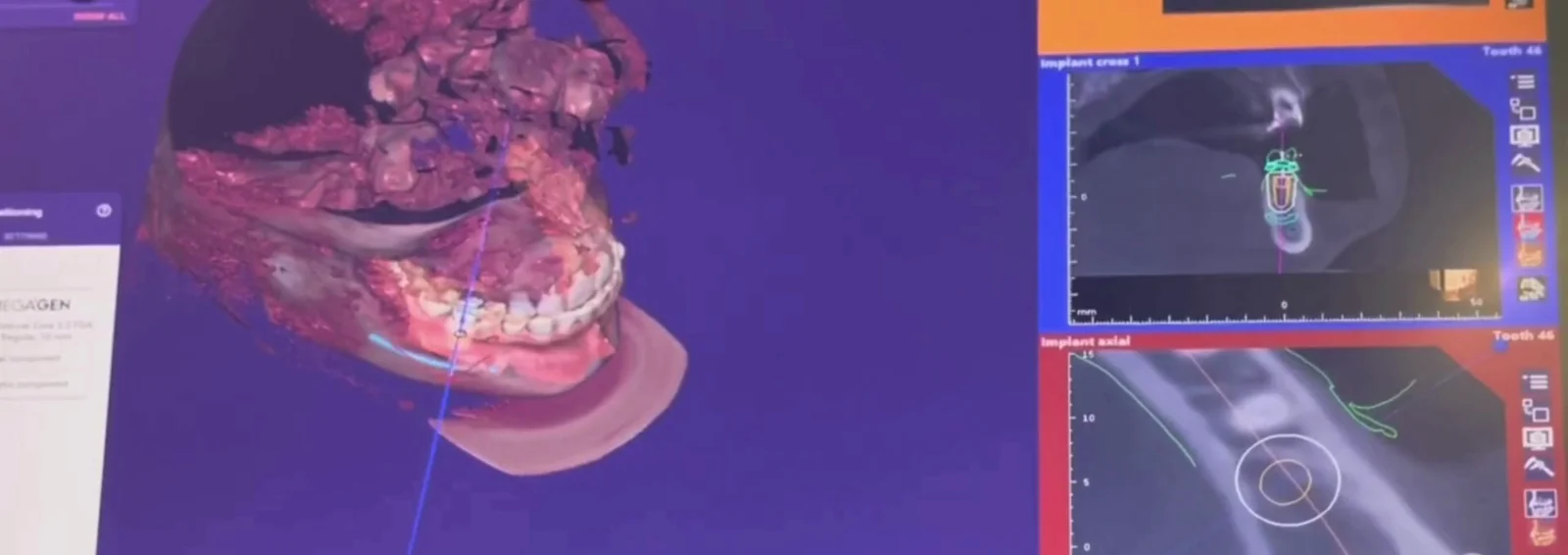
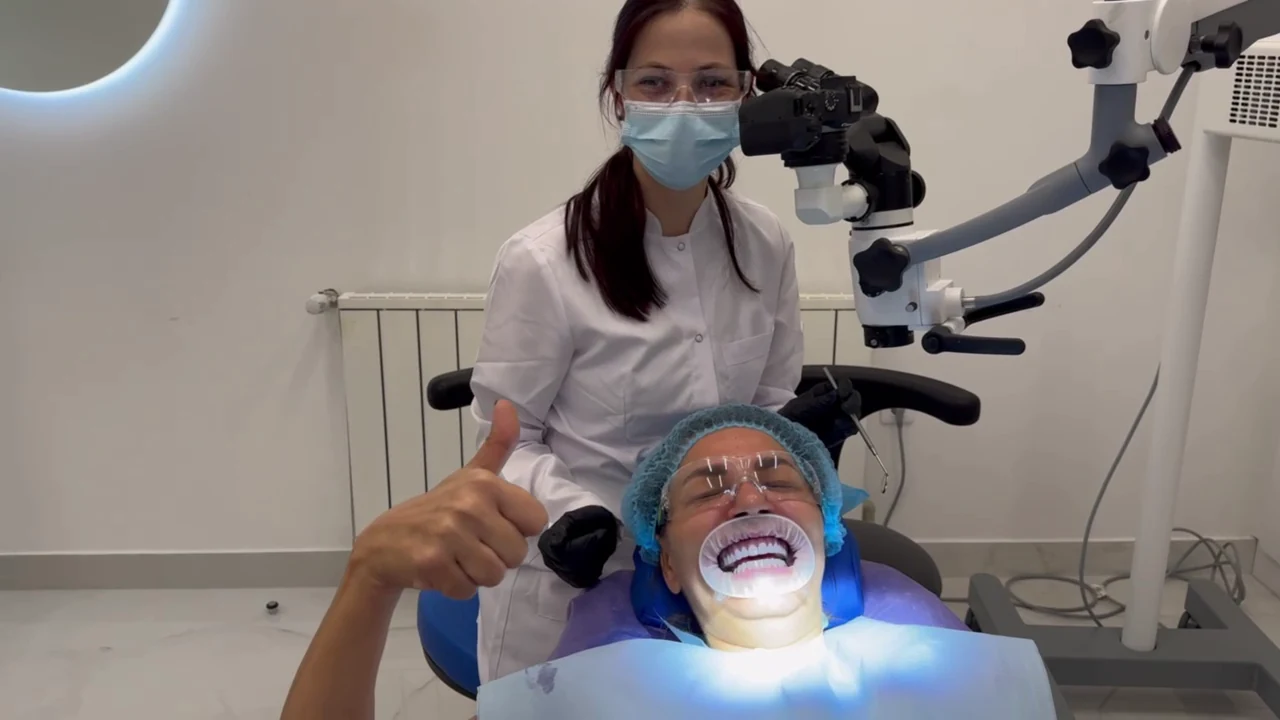
None of these proves a root canal is needed. They are reasons to have the tooth examined. A digital X-ray shows the shape of the root canals and any infection around the tip of the root, and the dentist tests how the tooth responds. At Mineers, root canal work is done under the operating microscope, which lets the dentist see inside the tooth in detail. Our team includes an endodontist, Dr. Mazen Dakroub (meet the team).
After a root canal: does the tooth need a crown?
Often, yes, particularly for back teeth. Once the pulp is removed and the tooth has been opened, it is more likely to fracture under heavy chewing, so a crown or an onlay is usually planned to protect it. The ADA says the tooth is restored with a filling or a crown, and that the choice depends on its condition (ADA MouthHealthy). Front teeth, which take less chewing force and often have more tooth left, may only need a filling. On our root canal page, we plan the protective restoration for a back tooth at the same consultation.
Sometimes one leads to the other
It is also possible for a tooth that has been crowned to develop a nerve problem later, especially if it already had deep decay or a large filling underneath. When that happens, the root canal can usually be done through the crown. This is one reason a dentist will check the health of the pulp before recommending a crown, and tell you what to watch for afterwards.
Is a root canal painful?
The treatment is done under local anaesthetic, usually in one or two visits. The ADA says the procedure involves little to no pain with local anaesthesia, and that the tooth may feel sensitive for several days afterwards (ADA MouthHealthy). Most of the pain people associate with a root canal comes from the infection that makes it necessary, not from the treatment that relieves it. If you are nervous, “Will It Hurt?” has some practical ideas.
Questions to ask your dentist
- Is the nerve of this tooth healthy, and how do you know?
- If I need a crown, will it be placed on a healthy tooth or one that needs a root canal first?
- What happens if I wait?
- If I have a root canal, will the tooth need a crown afterwards?
- What should I watch for in the weeks after treatment?
A good answer explains what is found on the X-ray and in the tests, not just what is recommended. If you want to compare a crown with a veneer for the front of your mouth, see Dental Crown vs Veneer.
Have a sore or sensitive tooth? Book a consultation or message us on WhatsApp, +961 3 757 127.
This article is general information, not a diagnosis. Please have any tooth pain examined by a dentist.