Aligners · 4 min read
Clear Braces Explained: Ceramic Braces vs Clear Aligners
Clear braces can mean two different treatments. What ceramic braces and clear aligners are, how they differ day to day, which cases suit which, and what to ask before you choose.
Mineers Smile CenterReviewed by Dr. Elias Abou Tayeh, DDS
Type "clear braces" into a search bar and you will find two different treatments under the same name. One is a set of braces with brackets that are less noticeable than metal. The other is a series of removable plastic trays. They straighten teeth in different ways and suit different people, so it is worth knowing which one someone means before you compare quotes or opinions.
The two things people mean by "clear braces"
Ceramic braces. These are traditional braces: brackets fixed to your teeth and joined by a wire. Cleveland Clinic describes traditional braces as moving teeth "with metal or ceramic brackets and an orthodontic wire". The ceramic version uses brackets made of ceramic instead of metal. They stay on your teeth for the whole of treatment (Cleveland Clinic).
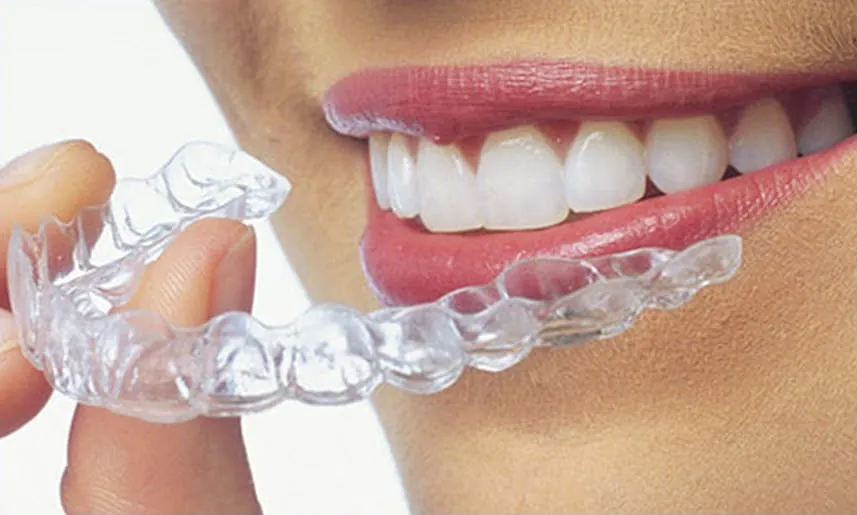
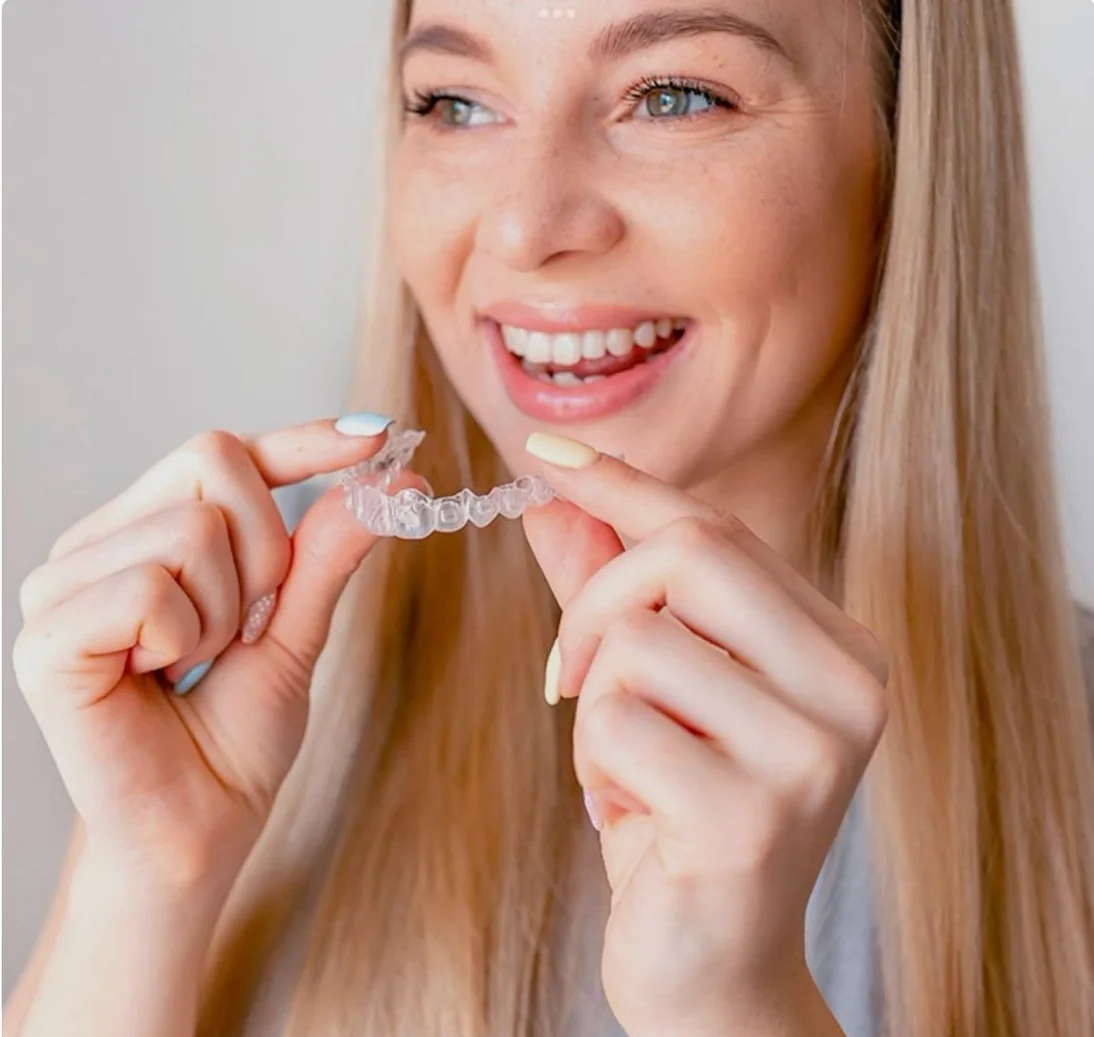
Clear aligners. These are custom-made, see-through plastic trays. The US Food and Drug Administration (FDA) describes them as a series of removable trays that gradually move teeth into position, available by prescription from a licensed practitioner such as a dentist or orthodontist (FDA). Some people call them invisible braces.
How they compare day to day
| Ceramic braces | Clear aligners | |
|---|---|---|
| How they work | Brackets and a wire stay on the teeth | A new removable tray roughly every one to two weeks |
| Eating | You may need to avoid certain foods | You take them out to eat and drink |
| Cleaning | New tools and routines may be needed | You take them out to brush and floss |
| What it asks of you | Regular check-ups | Wearing them for at least 20 hours a day, as the FDA advises, or as directed |
| Speed | Cleveland Clinic says traditional braces may fix issues more quickly | It may take more time and more trays to get the same result |
| Suits | A wider range of cases, including more complex ones | The FDA says mild to moderate issues are commonly treated, and more complex conditions may need traditional braces |
None of this makes one better in general. A treatment that suits your teeth and your routine is a better choice than a treatment that sounds more modern.
Which one does your case need?
That is what the examination is for. The FDA lists the kinds of problems aligners commonly treat: crowded teeth, gaps between teeth and some bite problems. Cleveland Clinic says that clear aligners are not an option for everyone, and that your dentist or orthodontist will decide whether they are right for you. A dentist looks at how your teeth sit, how your upper and lower teeth meet, and whether the roots and gums are healthy before suggesting either route.
Discipline matters with aligners. Cleveland Clinic says they only work if you wear them as directed and store them safely when you take them out. If you know you would struggle with that, say so at your consultation: it can change the advice.
What happens after either treatment
Teeth tend to drift back when the appliance comes off. The FDA says a retainer may be recommended to keep teeth in place after the last aligner, and the same is true after braces. Why You Need a Retainer After Clear Aligners or Braces explains why.
What we offer at Mineers
At Mineers Smile Center, the option we offer is clear aligners: Fixaligner® trays, planned from a 3D scan of your teeth and 3D printed here at Mineers. Treatment commonly runs for 6 to 18 months, and the aligners suit mild to moderate alignment issues. The consultation is where we look at how your teeth sit and how your top and bottom teeth meet, and tell you honestly whether aligners fit your case. Five Questions to Ask Before You Start gives you a list to bring with you, and Clear Aligners vs Braces goes deeper on the comparison.
Frequently Asked Questions
Are clear braces the same as Invisalign?
No. "Clear braces" is a loose term. Invisalign® is one brand of clear aligner, and Cleveland Clinic lists it alongside ClearCorrect® as examples of clear aligners. Ceramic braces are a different kind of treatment.
Which is faster, ceramic braces or clear aligners?
Cleveland Clinic says traditional braces may fix problems more quickly, and that clear aligners can need more time and more trays to reach the same result. Your own plan gives the real timeline.
Do clear aligners hurt?
Cleveland Clinic says you may notice pressure or soreness when you start a new tray, and that it typically eases within a few days.
Can adults have them?
Yes. Adults are treated with both. What matters is the state of your teeth and gums and how your bite meets. Clear Aligners for Adults: Are You a Candidate? goes through it.
Will I need a retainer afterwards?
Usually, yes, to keep your teeth where they have moved.
Wondering which route fits your teeth? Book a private consultation, or message us on WhatsApp, +961 3 757 127.
This article is general information, not a diagnosis. Treatment plans and results vary from person to person.
Independent sources
Where to read more, from independent health organisations.