Dental health · 4 min read
Dental Crowns: When You Need One, What to Expect and How Long They Last
A crown covers the whole tooth to protect or rebuild it. When one is recommended, the materials, what happens over two visits, how long a crown lasts and how to look after it.
Mineers Smile Center

Hearing the word "crown" at the dentist can sound like a big step. In practice it is a common way to protect a tooth that has lost a lot of its own structure. Knowing what the visits involve takes most of the mystery out of it.
What a crown is
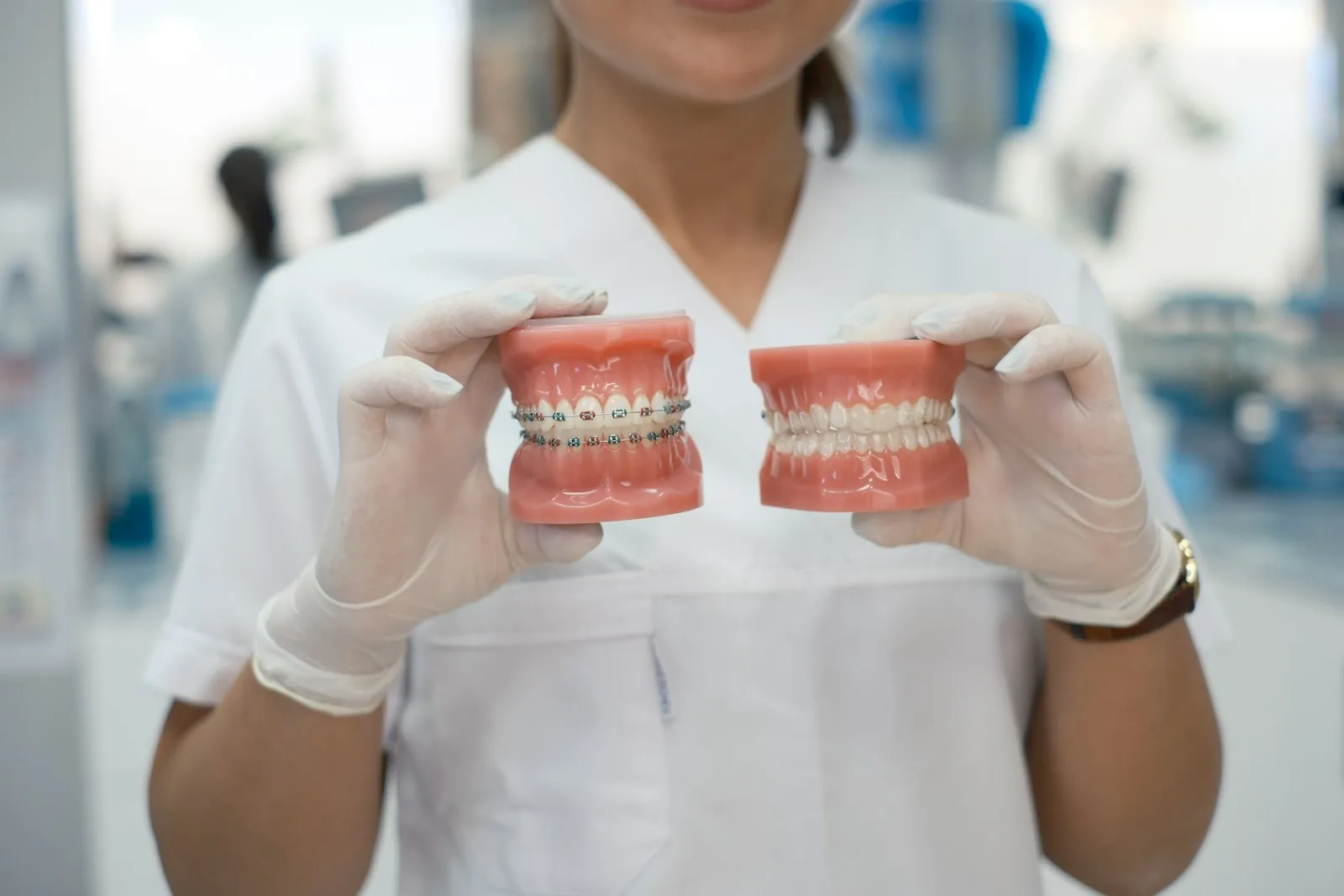
Cleveland Clinic describes a dental crown as a tooth-shaped cap that fits over the entire tooth, like a snug hat, to restore a decayed, broken, weak or worn-down tooth. A dentist will need to remove a small amount of enamel first, to make room for it. "Cap" and "crown" are two names for the same thing (Cleveland Clinic).
When a crown is recommended
The reasons Cleveland Clinic and the American Dental Association (ADA) give include:
- to strengthen a weak tooth, or protect and support a cracked one;
- to restore a worn-down or broken tooth;
- to support a tooth with a large filling when there is not enough tooth left to hold it;
- to hold a dental bridge in place;
- to cover a severely stained or badly shaped tooth;
- to cover a tooth that has had a root canal;
- to cover a dental implant (ADA MouthHealthy).
On our pages, two of these come up most. After a root canal, back teeth (molars and premolars) usually need a crown to protect the weakened tooth from cracking when you chew, while front teeth may only need a filling (root canal treatment). And on an implant, the tooth you see is a porcelain crown, made to match the teeth beside it (dental implants). Do You Need a Root Canal Before a Crown? covers the reverse question.
The materials
| Material | What it offers | What to weigh |
|---|---|---|
| Metal | Rarely chips or breaks; lasts the longest. | The metal colour; often chosen for out-of-sight molars. |
| Porcelain fused to metal | Strong, and can be matched to your tooth colour. | The porcelain can chip over time and show the metal underneath. |
| Pressed ceramic | A hard ceramic core; mimics the translucency of enamel. | The ceramic layers can chip over time. |
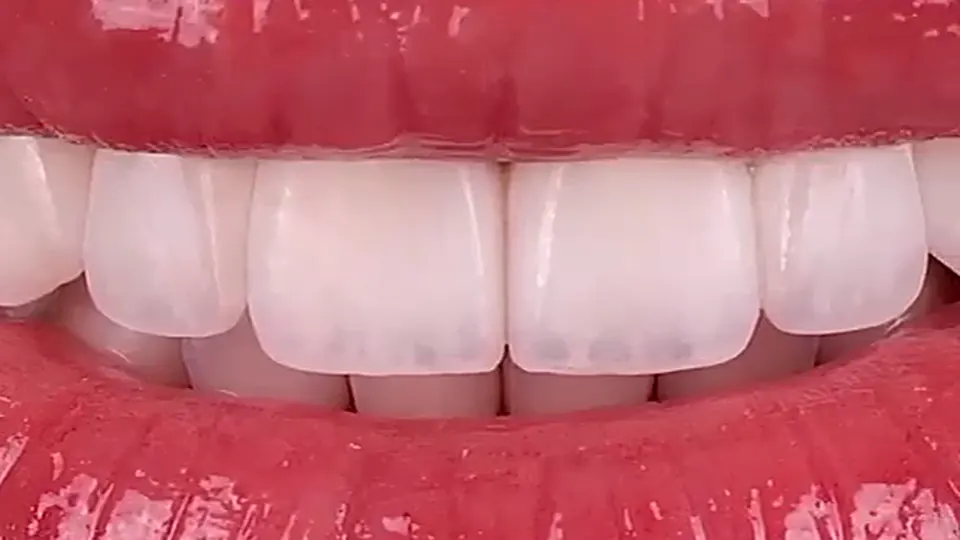
| All-ceramic or porcelain (including zirconia) | The closest look to natural enamel; a good choice for metal allergies. | Zirconia is extremely durable and gentle on opposing teeth. |
| Resin | Generally less expensive than the others. | More fragile and likely to break; often used for temporary crowns. |
Cleveland Clinic also describes same-day crowns, made in the dentist's office with CAD/CAM technology, and says they are not for everyone, so ask whether you are a candidate.
What happens over two visits
Cleveland Clinic says placement usually takes two appointments.
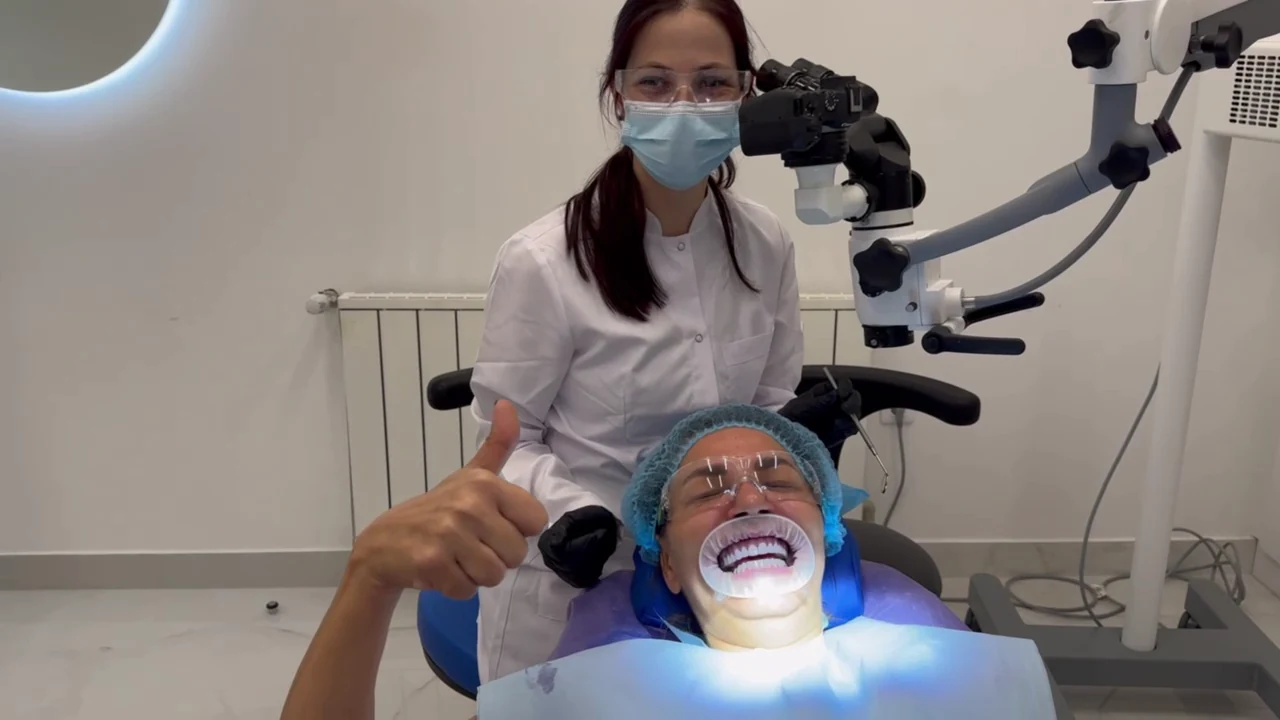
Visit one. The dentist shapes the tooth, removing some enamel and sometimes building it up with filling material to create a strong foundation. Then comes an impression of the teeth. This may be putty or a digital scan from a handheld scanner, which goes to the lab. A temporary crown, usually resin or acrylic, protects the tooth while the lab works, which usually takes two to three weeks, sometimes longer.
Visit two. The temporary crown is removed, the shape, colour and fit of the new one are checked, and it is bonded with a strong dental cement.
A small handheld 3D scanner is how we record teeth for implants and aligners; with aligners there are no trays of putty in your mouth.
The first days
Most people go straight back to work or school. Cleveland Clinic says sensitivity to heat and cold for a couple of weeks is normal, and so is some tenderness in the gum around the tooth, which should settle in a few days; over-the-counter pain relievers can help. A crown should not hurt in a way that keeps you awake at night. If it does, call the dentist. Also call if the crown feels loose, has sharp edges, cracks or chips, or if you notice bad breath or a bad taste around it.
For both temporary and permanent crowns, Cleveland Clinic suggests avoiding ice cubes, very hard nuts, popcorn kernels and sticky foods such as taffy and caramel.
How long a crown lasts
Cleveland Clinic gives an average of five to 15 years, and says that with proper care and maintenance a crown can last upwards of 30 years. A crown that cracks or is damaged may need replacing sooner.
Its care list is the same as for natural teeth: brush twice a day with fluoride toothpaste and a soft brush, floss once a day, avoid very hard, crunchy or chewy foods, and keep up regular cleanings. If you grind or clench your teeth, ask about a custom mouth guard; see Grinding Your Teeth.
Crown, veneer or something smaller?
A crown covers the whole tooth and is restorative: its main goal is the health of the tooth. A veneer covers only the front surface and is cosmetic. Cleveland Clinic lists the alternatives to a crown, which depend on the tooth: an inlay or onlay for a tooth too damaged for a filling but too healthy for a crown, veneers for cosmetic concerns with no decay or damage, or, for a tooth too decayed or broken to save, removal and an implant. Dental Crown vs Veneer compares the first two.
Been told you need a crown? Book a private consultation, or send a note on WhatsApp, +961 3 757 127.
This article is general information, not a diagnosis. Treatment plans and results vary from person to person.