Implants · 4 min read
Dental Implant Myths: Pain, Months of Waiting and “Endless Surgeries”
Are implants painful? Do they mean endless surgeries or months without teeth? Six common beliefs about dental implants, and what is actually true.
Mineers Smile Center
Ask people what they know about dental implants and you will hear the same few things: that it hurts, that it takes months, that it means one operation after another, that it is only for the young. Some of this comes from older dentistry. Some of it is partly true. Here is each belief, and what is actually the case.
"Implant surgery is very painful"
The surgery is done under local anaesthetic, so you feel pressure and movement, not pain. Afterwards there is usually some soreness and swelling, which most people manage with ordinary painkillers, and it settles over the following days. Everybody is different, so tell the team how you are feeling, and ask what to expect for your own case. For more on the day itself, see What to Expect During Dental Implant Surgery.
"It means endless surgeries"
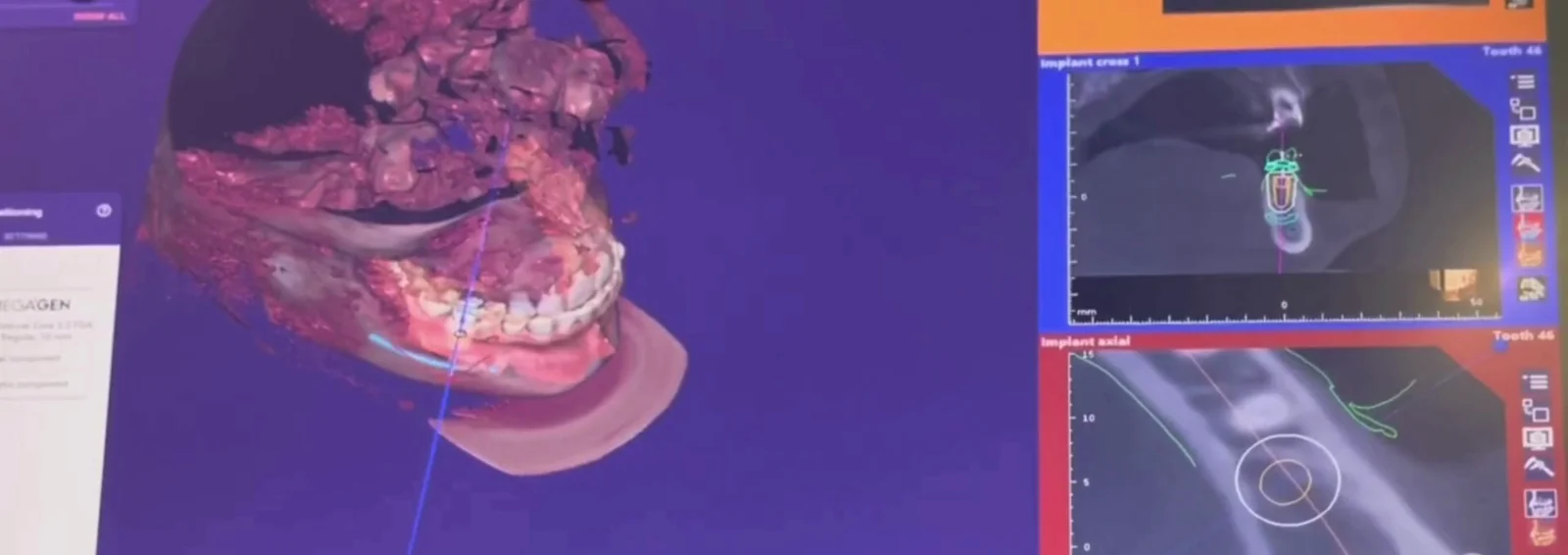
For a single implant in healthy bone, the plan is usually one planned procedure to place the implant, then a later, simpler appointment to fit the crown. The picture changes if you need extra work first, such as a bone graft or sinus work, and that is why the assessment matters: a 3D scan shows whether your bone is ready or needs help, so the number of steps is known at the start, not discovered halfway. Planning the position on screen and, where it is used, a surgical guide, are there to take the guesswork out of the day.
"I will be without teeth for months"
This one is partly true, and it is worth saying plainly. After an implant is placed, the bone has to grow around it and hold it, a process called osseointegration, and it usually takes several months before the final tooth is fitted (What Is Osseointegration?). The American Dental Association notes that some patients wait up to several months for the implant to integrate, while others can have the implant and replacement teeth placed in a single visit (ADA MouthHealthy). Which of these applies to you depends on your bone, your bite and where the tooth is. If a temporary tooth matters to you, for the front of your smile for example, ask about it at the first consultation.
"I am too old for an implant"
Age on its own is not the barrier. The ADA points out that your general health is more of a factor than your age (ADA MouthHealthy). Conditions that slow healing, and smoking, matter more, and your dentist will review them with you. Implants are not placed while the jaw is still growing, but beyond that, the question is whether you are healthy and have suitable bone, not how old you are.
"I do not have enough bone, so it is not possible"
Bone loss is common after a tooth has been missing for a while, but it does not always rule an implant out. Sometimes the bone can be rebuilt with a graft first, and sometimes the plan can be changed to work around the bone you have. Only a 3D scan shows which applies. And if implants are not right for you, there are other good options (Dental Implants vs Dental Bridges).
"Once it is in, an implant needs no care"
An implant is designed as a long-term solution, and with good care it is built to last, but it is not maintenance-free. The gum and bone around an implant can become inflamed, much as they can around a natural tooth. Brushing, cleaning between the teeth and regular check-ups are what protect it (How to Maintain Dental Implants Long-Term). The crown on top is also subject to normal wear.
So what is the truth?
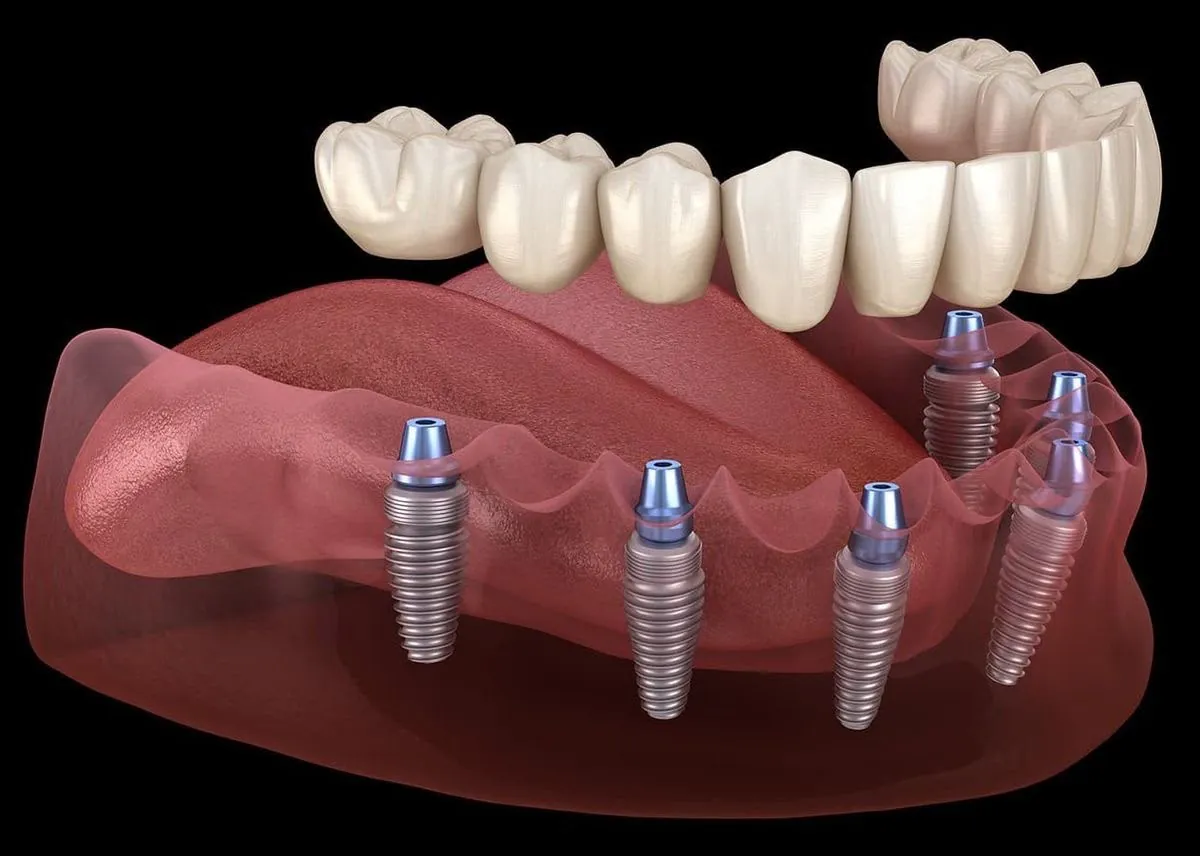
Implants are a considered treatment with real steps and a healing period that cannot be rushed, but they are not the ordeal that older stories suggest. What makes the difference is planning: knowing before you start how many steps, how long, and what the alternatives are.
If you would like to see how many implants a plan might need, and what shapes it, read Single Implant, Several Teeth or a Full Arch?. Our dental implants page walks through the process step by step.
Have a question that is not here? Message us on WhatsApp, +961 3 757 127, or book a private consultation.
This article is general information, not a diagnosis. Treatment and results vary from person to person.