Root canal · 5 min read
Root Canal Treatment: What Happens Step by Step
A root canal saves a tooth that would otherwise be lost. What happens at each step, how many visits to expect, what recovery feels like, when a crown is needed and what the alternative is.
Mineers Smile CenterReviewed by Dr. Elias Abou Tayeh, DDS

"You need a root canal" is a sentence that worries a lot of people, mostly because of what they have heard rather than what the treatment involves. In plain terms, it is a way to clean an infected tooth from the inside so that you can keep it. This guide goes through what is happening and why, one step at a time.
What a root canal is for
Inside every tooth is the pulp, a soft tissue that contains nerves and blood vessels. The American Dental Association (ADA) says it can become infected after repeated dental work, a cracked or fractured tooth, or an injury, even without a visible chip. The NHS lists a chipped, broken or cracked tooth and a dental abscess (a build-up of pus) among the causes (NHS).
If the infection is left alone, the ADA says it can spread to the tissues around the root, causing pain and swelling and an abscess, and can damage the bone that holds the tooth in place. The NHS says that without treatment you may need the tooth taken out. A root canal is the way to repair and save the tooth instead of removing it (ADA MouthHealthy).
Signs it may be time to get a tooth checked
At Mineers we ask patients to get a tooth checked for:
- lingering sensitivity to hot or cold;
- throbbing pain that comes on its own, especially at night;
- swelling, or a small pimple on the gum;
- pain when biting or chewing on one side;
- a tooth that changes colour, greying or darkening;
- a deep cavity or an old filling that causes discomfort.
An X-ray is what confirms the diagnosis. If a tooth hurts tonight, Toothache: What to Do Tonight tells you what to do before you can be seen.
What happens, step by step
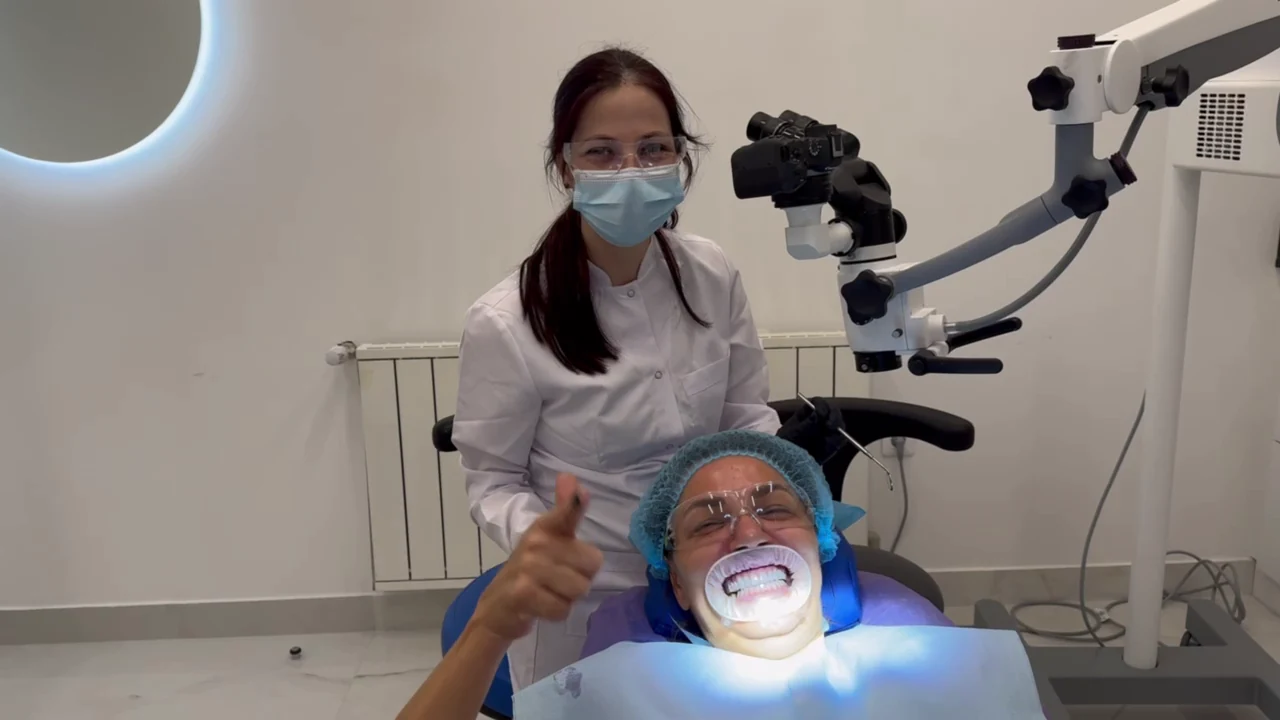
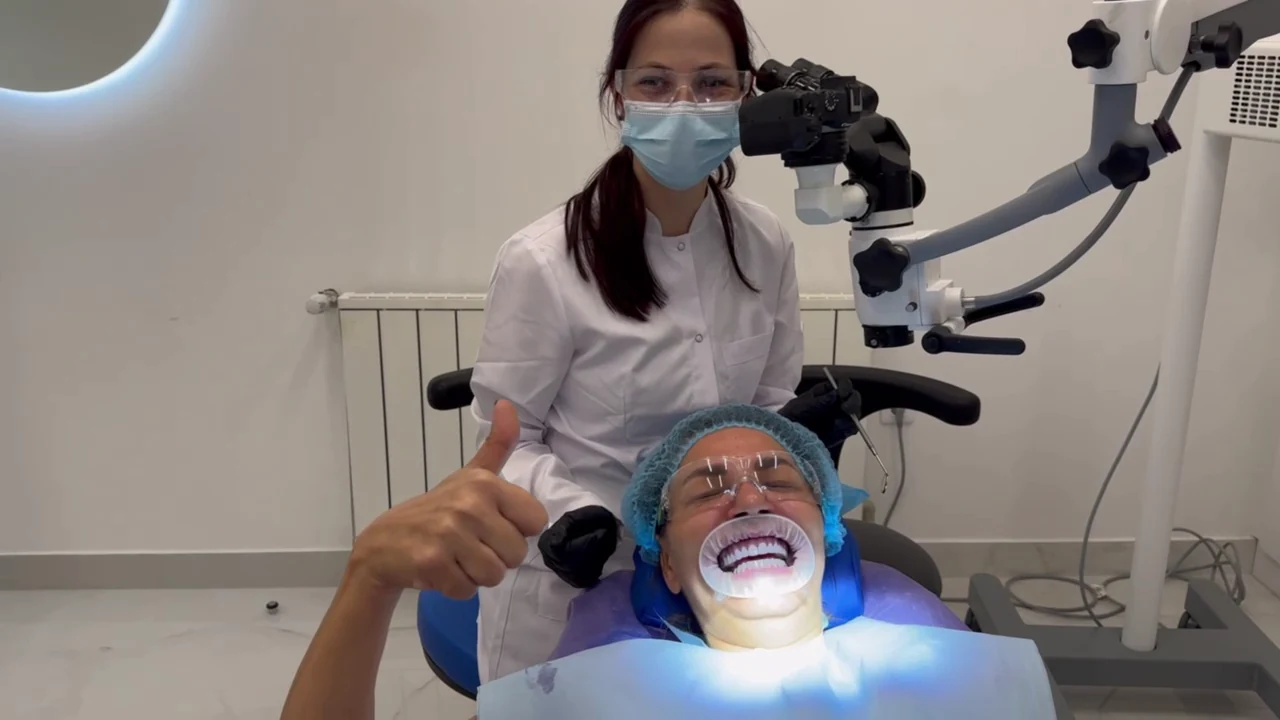
- Examination and X-ray. The dentist takes an X-ray to see the tooth and the bone around it. At Mineers a digital X-ray shows the infection and the shape of the root canals, and the operating microscope lets us see detail that the eye cannot.
- Numbing. Both the NHS and the ADA say a local anaesthetic is used, so you do not feel the procedure. The NHS says you will be awake but will not feel pain.
- Protecting the tooth. The ADA says a thin sheet of latex rubber is placed over the tooth to keep it dry, clean and protected.
- Opening the tooth. A small opening is made in the top of the tooth to reach the pulp.
- Cleaning and shaping. The infected pulp is removed from the chamber and from each root canal, and the canals are cleaned and shaped. At Mineers we use rotary instruments for this.
- Filling and sealing. The canals are filled and sealed so that the infection cannot return. The ADA says a rubber-like material is used. We use a safe filling material called gutta-percha.
- Restoring the tooth. A temporary filling may protect the tooth until the final filling or crown is placed.
How many visits?
It varies, and the sources reflect that. The ADA says root canal treatment usually takes one or two visits. The NHS says it usually takes two or more appointments, lasting an hour or two or sometimes longer. At Mineers most treatments are completed in one or two visits, with a session of 45 to 90 minutes, depending on the tooth and how severe the infection is.
Do you need a crown afterwards?
Often for back teeth. The NHS says a crown may be needed if the tooth was badly infected. At Mineers, back teeth usually need a crown after a root canal to protect the weakened tooth from cracking when you chew, and front teeth may only need a filling. We plan the crown at the same consultation. Do You Need a Root Canal Before a Crown? looks at the question from the other side, and Dental Crowns explains what the crown involves.
Recovery
The ADA says the tooth and the area around it may feel sensitive for a few days. The NHS says you may have no feeling in your jaw and face for several hours while the anaesthetic wears off, and that the area may feel swollen and sore but should improve in a couple of weeks. It suggests paracetamol or ibuprofen for pain, being careful not to bump your mouth, going to follow-up appointments and keeping up regular check-ups.
If pain gets worse or swelling spreads, contact your dentist.
And if you do not have one?
The alternative to saving an infected tooth is usually to remove it. That has its own consequences for biting and for the neighbouring teeth, and Missing a Tooth? explains the options for replacing it. Saving the natural tooth preserves your bite and jawbone, which is why we aim to keep it wherever it is possible. A tooth that cannot be saved is something an examination decides.
Frequently Asked Questions
Is a root canal painful?
The area is numbed. The ADA says there is little to no pain during treatment, and that once it is done you should no longer feel the pain you had before. Some soreness for a few days afterwards is normal.
How long does a root canal take?
Sources give one to two visits (ADA) or two or more (NHS). At Mineers most are completed in one or two visits of 45 to 90 minutes.
How much does a root canal cost in Lebanon?
Our starting price is on the cost answer of the root canal page. The exact price depends on the tooth and its number of canals, and a post or a crown, if needed, is separate.
Can I eat after a root canal?
Ask your dentist when to eat normally again. The NHS says you may have no feeling in your jaw and face for several hours, and advises being careful not to bump or knock your mouth. Your dentist will say what to avoid while the tooth has a temporary filling.
Do I always need a crown?
No. The NHS says a crown may be needed if the tooth was badly infected, and at Mineers back teeth usually need one while front teeth may only need a filling.
Tooth pain that will not go away? Book a private consultation, or message us on WhatsApp, +961 3 757 127. For an urgent problem, call +961 3 757 127.
This article is general information, not a diagnosis. Treatment plans and results vary from person to person.
Independent sources
Where to read more, from independent health organisations.