Whitening · 4 min read
Does Whitening Ruin Your Teeth? Six True-or-False Answers
Does whitening damage enamel? Do charcoal and strips work? Six common beliefs about teeth whitening, checked against the NHS, the ADA and a published review of charcoal toothpastes.
Mineers Smile Center
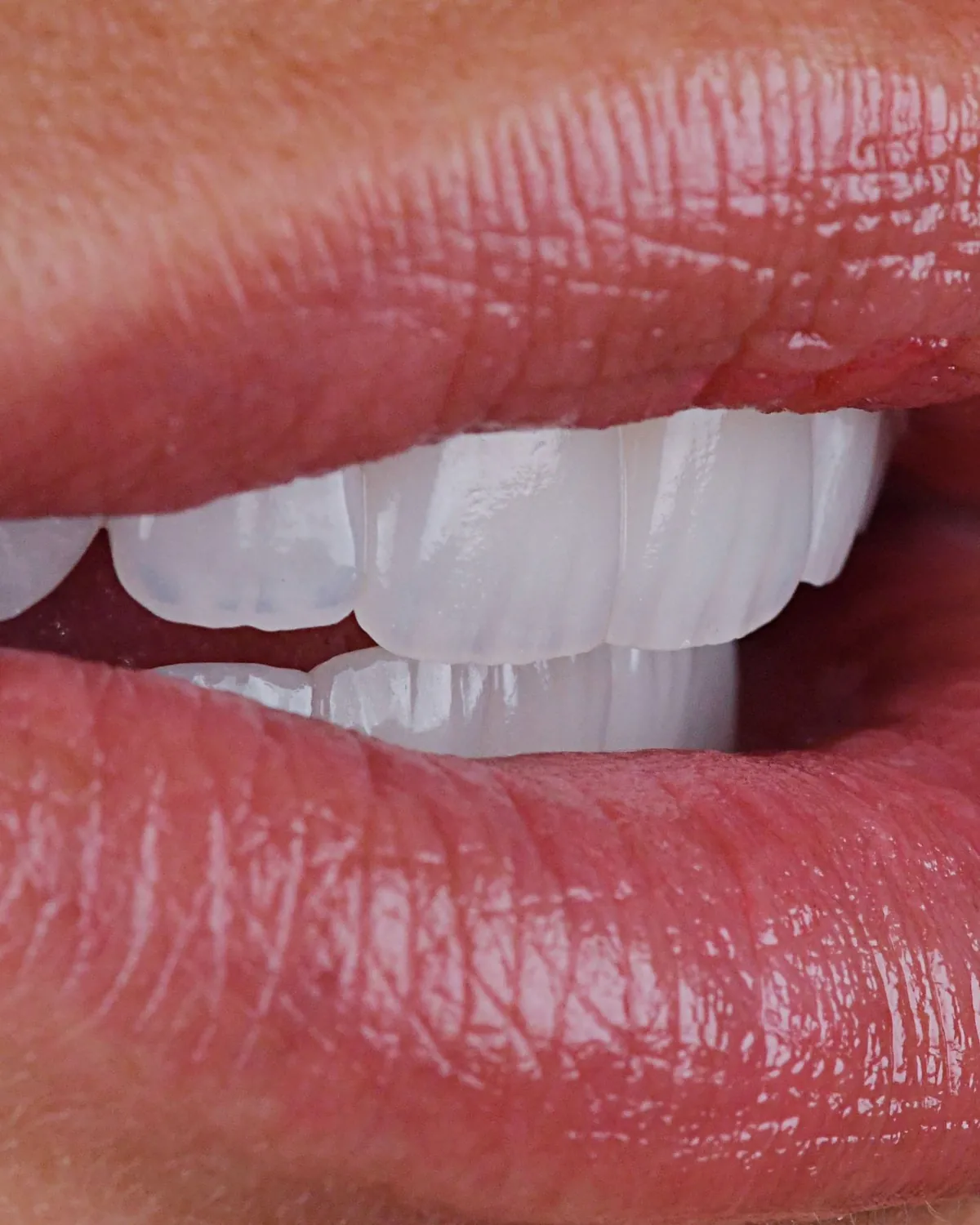
"Whitening ruins your teeth." You have probably heard it, and you have probably also heard the opposite. The truth sits in between, and it depends on what is used, by whom, and on whose teeth.
Here are six common beliefs, with what the NHS, the American Dental Association (ADA) and published research say about them. For the longer guides, see Is Teeth Whitening Safe? and How Teeth Whitening Works.
1. "Professional whitening destroys enamel." Mostly false, with a catch
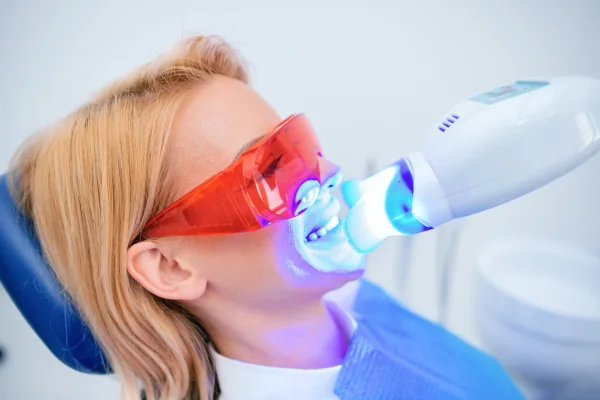
Whitening products contain a bleach, hydrogen peroxide or carbamide peroxide, that breaks stains into smaller pieces, which makes the colour less concentrated (ADA MouthHealthy). When it is done after a check of your teeth and gums, and follows directions, it is a standard cosmetic treatment.
The catch is in the ADA's own words: overuse of whiteners can damage the tooth enamel or gums, so follow directions and talk to your dentist. The risk is not the treatment itself, but too much of it, too often.
2. "Whitening makes your teeth sensitive." True, usually for a short time
The NHS lists sensitivity to cold or sweet food and drink, sore gums or throat, and white patches on the gums as possible side effects of professional whitening (NHS). The ADA explains why: the peroxide gets through the enamel to the softer dentin layer and irritates the nerve, and in most cases the sensitivity is temporary (ADA MouthHealthy).
If your teeth are already sensitive, say so before you start. Treatment can be delayed and tried again.
3. "Charcoal toothpaste is a natural, safe way to whiten." Not proven
A literature review in the Journal of the American Dental Association looked for clinical studies on charcoal and charcoal-based toothpastes. It found insufficient clinical and laboratory data to back up the safety and effectiveness claims, and found advertising with unsubstantiated claims (Brooks et al., JADA). Of the studies it found, three reported harmful outcomes, such as increased decay and enamel abrasion.
That does not prove every charcoal product is harmful. It means the claims are not supported, and that charcoal is an abrasive, not a bleach. Ask your dentist before you try one.
4. "Whitening toothpaste changes the colour of your teeth." Not really
All toothpastes remove surface stain with mild abrasives. The ADA notes that stain-removal toothpastes with the ADA Seal do not change the colour of the teeth, because they only remove stains on the surface (ADA MouthHealthy). They can help with coffee, tea or red wine stains. They do not bleach.
5. "Strips from the pharmacy do the same as the dentist." Not the same
The ADA says over-the-counter bleaching products contain a lower concentration of the bleaching agent than your dentist would use, and advises talking to your dentist and looking for the ADA Seal. The NHS goes further: whitening with a kit bought from a pharmacy or online, or from a beauty salon, does not work as well and may harm the teeth and gums. It says a kit from a dentist, or treatment at a dental surgery, is the safest way (NHS).
6. "Whitening works on every tooth, including veneers and crowns." False
The ADA is clear that whitening will not work on caps, veneers, crowns or fillings, and may not correct every type of discolouration. It says yellow teeth will probably bleach well, brown teeth may not respond as well, and teeth with gray tones may not bleach at all. Discolouration from medicines or an injury may not respond either. The NHS adds that whitening can only lighten the colour of natural teeth.
This matters if you are planning veneers or bonding. The shade of your natural teeth is usually decided before the porcelain is made, so ask about the order (Will My Veneers Look Natural?).
Why it is worth checking before you start
Whitening only lightens. It cannot straighten, reshape or replace a tooth. And a whitening plan can only be made after an examination: stains that sit on the surface, fillings, cracks, worn enamel and inflamed gums all change what is advised. Acids from food and drink can wear enamel too, so if your teeth look dull, the cause may not be stain at all (What Is Enamel Erosion?).
The NHS says the dentist should check that your teeth and gums are healthy before whitening, and that it is not recommended in some situations, including pregnancy and breastfeeding (NHS). Results are not permanent: the NHS says that if you follow your dentist's advice, the effect may last around 3 years, though results vary.
The short answer
- Done after an examination, and as directed, professional whitening is a standard treatment, with temporary sensitivity the most common side effect.
- Too much, too often, or the wrong product is where the risk is.
- Charcoal, and strips that promise professional results, are not a shortcut.
- If you want to know what suits your teeth, ask before you buy anything.
Not sure which is right for you? Book a private consultation and we will tell you honestly what is possible, or message us on WhatsApp, +961 3 757 127.
This article is general information, not a diagnosis. Treatment plans and results vary from person to person.