Veneers · 9 min read
Porcelain Veneers vs Composite Bonding: Which Is Right for Your Smile?
Compare porcelain veneers and composite bonding on durability, upkeep and commitment, then see your result before deciding.
Mineers Smile Center
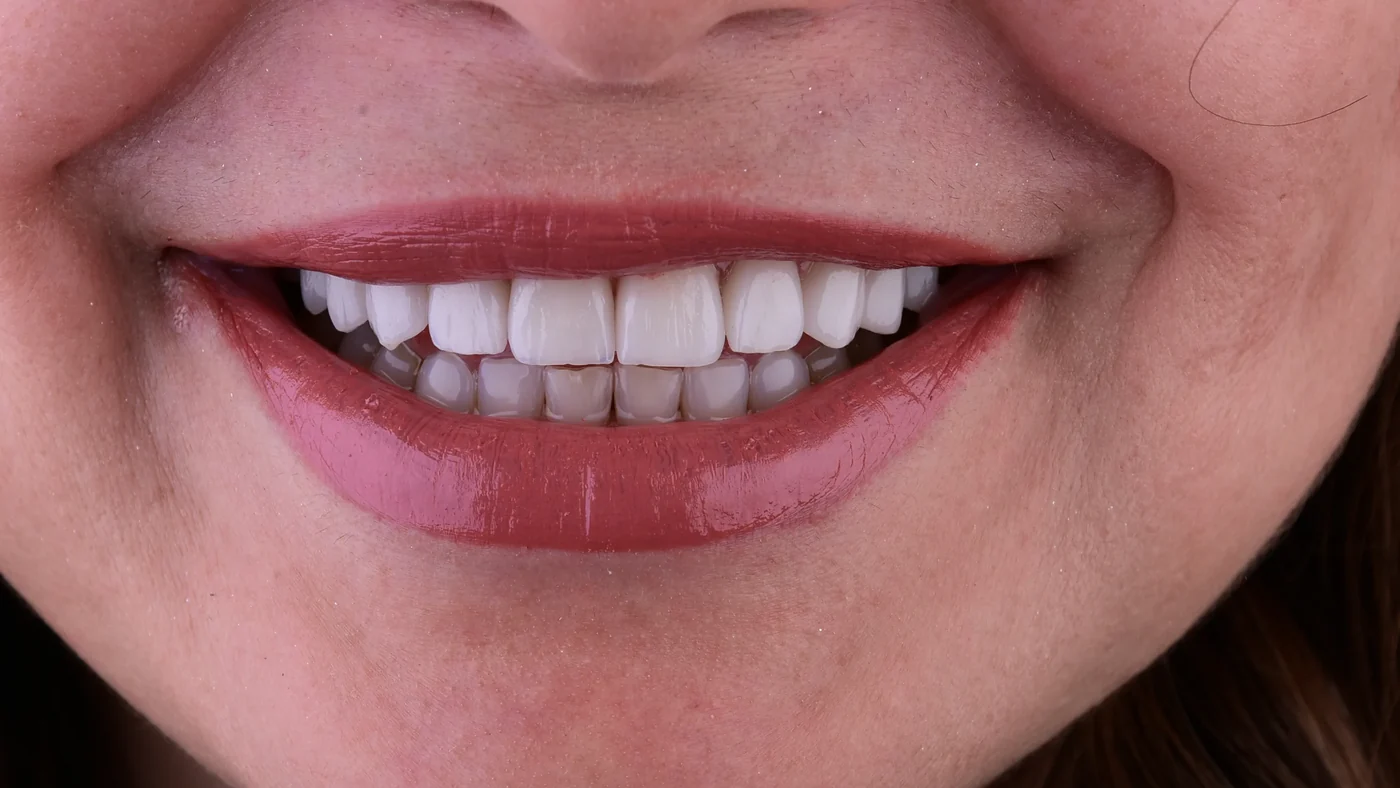
You've decided you want a better smile. Maybe it's a chipped tooth that catches your eye in every photo, a gap you've always been self-conscious about, or just a general feeling that your teeth don't match the confidence you want to project. Whatever brought you here, you're now facing one of the most common questions in cosmetic dentistry: composite resin bonding vs veneers. Which one is actually right for you?
The honest answer is that it depends. These two treatments solve similar problems in very different ways, at different price points, and with very different levels of commitment. One is largely reversible and lighter on the budget; the other is a long-term investment built to last. Choosing the wrong one could mean paying more than you need to, or wishing you had gone further when you had the chance.
This guide breaks everything down in plain language. You will learn how each treatment works, what it really costs over time, who each option suits best, and how Mineers' digital preview lets you see your result before you commit to anything. Let's start with three simple questions that point you straight to the right answer.
Start Here: Three Questions That Drive the Decision
You want a better smile. The real question is which path gets you there without regret.
Three questions cut through the noise:
How significant is the change? Minor chips, small gaps, a single discoloured tooth: these suit composite bonding. A full smile overhaul across multiple front teeth typically calls for porcelain veneers.
How permanent do you want it? Composite bonding preserves your natural tooth and is largely reversible. Veneer preparation removes a thin layer of enamel that cannot grow back, so that commitment is lasting.
What fits your budget, now and over ten years? Bonding costs less upfront, but resin wears and discolours, requiring touch-ups every few years. Porcelain veneers cost more initially but often need no major intervention for a decade or more. Upfront price is only part of the equation.
These three questions are a practical way to arrive at a direction before stepping into the clinic. If you are flying in from abroad or returning home to Lebanon for this treatment, the stakes are higher still. The trip itself is a commitment, which makes deciding with clarity before you travel essential.
Side-by-Side Comparison: Veneers vs Composite Bonding at a Glance
Here is the clearest way to see the difference before going deeper:
| Factor | Composite Bonding | Porcelain Veneers |
|---|---|---|
| Durability | 3 to 7 years | 10 years or more with care |
| Reversibility | Largely reversible; tooth structure preserved | Not reversible; a thin enamel layer is removed |
| Tooth preparation | Little to no drilling | Controlled enamel reduction; lab fabrication required |
| Stain resistance | Resin discolours over time from coffee, tea, red wine | Porcelain glaze resists staining far better |
| Upfront cost | Lower | Higher |
| Time to results | Single visit | Two to three appointments, with a lab period in between |
| Best suited for | Single repairs, younger patients, testing a change | Comprehensive full-smile transformations |
The reversibility row deserves a second look. Because bonding preserves your natural tooth, the decision carries far less permanence. Veneer preparation removes enamel that will never grow back, which is exactly why so many patients pause before committing.
The sections ahead unpack each row in detail.
What Composite Bonding Actually Involves
Here is what the procedure actually feels like from the patient's chair.
Composite bonding uses a tooth-coloured, putty-like resin applied and sculpted directly onto the tooth in a single appointment, with no lab involved and no waiting period. The dentist lightly etches the surface to help the resin grip, then builds it up in thin layers, shaping each one to match your surrounding teeth. A curing light hardens each layer in seconds, and a final polish leaves the surface smooth and natural-looking.
Because little to no enamel is removed, the original tooth stays intact underneath. That is why composite bonding is considered a largely reversible procedure, a meaningful distinction if you are still working out exactly what you want.
It is particularly well suited to closing a small gap, repairing a chip, evening out a minor length difference, or brightening the colour of one or two teeth. Resin-based composites are an established restorative material with a long clinical history.
One trade-off worth knowing: resin is more porous than porcelain. If coffee, tea, or red wine are daily habits, you will notice gradual discolouration over time, which is why periodic touch-ups are part of the picture.
What Porcelain Veneers Actually Involve
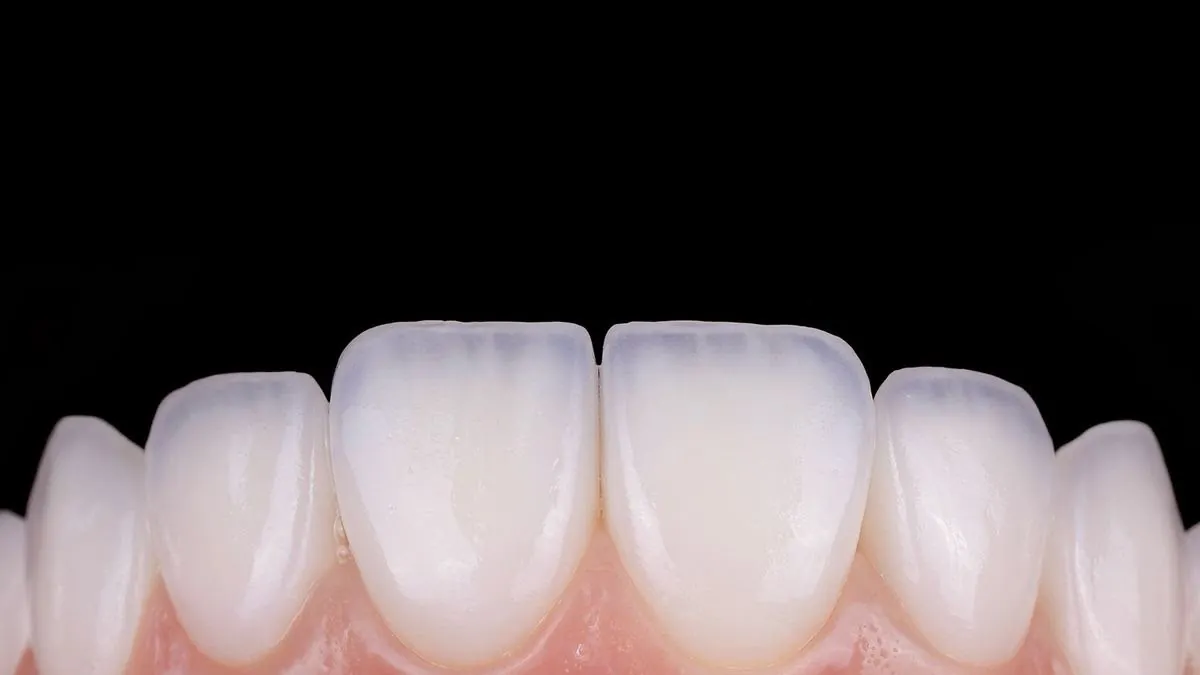
Porcelain veneers work quite differently. Each one is a custom-made ceramic shell, designed for your face, your proportions, and the shade you want, then made in a dental lab before being bonded to the front of your tooth. If you want the full picture, our porcelain veneers page is a useful starting point.
To fit properly, veneers require a small amount of preparation first. Your dentist removes a thin, controlled layer of enamel so the shell sits flush rather than looking thick or unnatural. That step is the critical difference from composite bonding: enamel does not grow back, which means veneer preparation is a one-way door. Once it is removed, the tooth will always need a restoration.
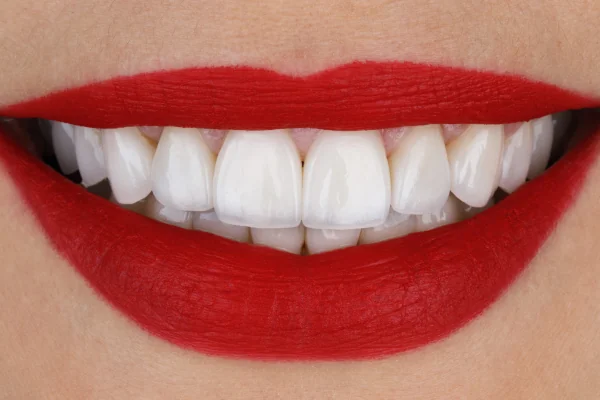
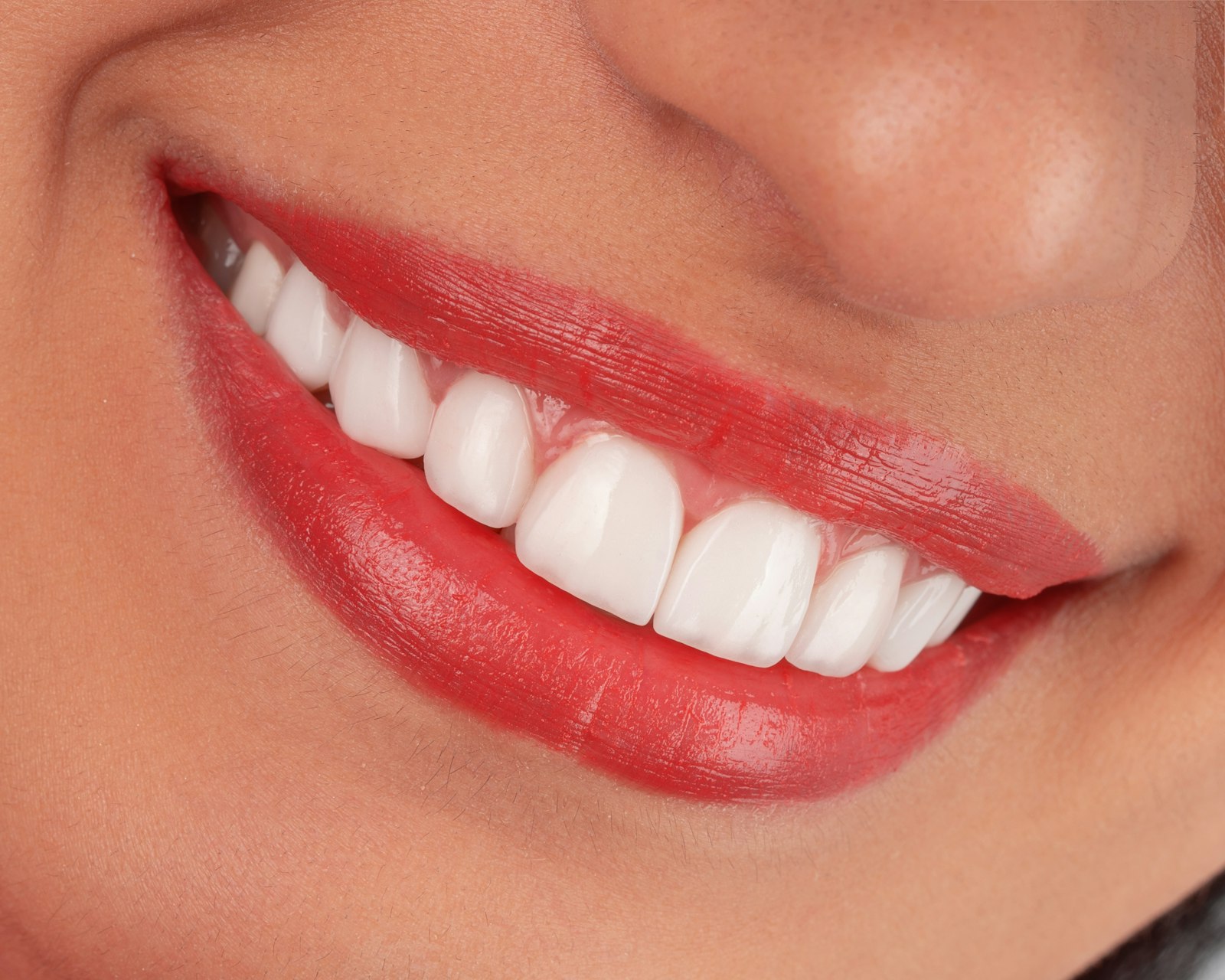
The payoff is an aesthetic result that is genuinely difficult to tell apart from natural teeth. Dental-grade porcelain is chosen for how it handles light, and it looks lifelike both in person and in photographs. The glazed surface also resists staining from coffee, tea, and red wine far better than composite resin, making veneers the lower-maintenance option for colour over time.
Veneers are the treatment of choice when the goal is a full smile transformation: multiple front teeth, significant changes to shape or shade, and a result expected to last well over a decade.
The Real Cost Over 10 Years: What Most Comparisons Miss
Upfront price tells only half the story. Composite bonding costs less per tooth to start, but resin typically needs touch-ups or full replacement every few years due to wear, chipping, and gradual discolouration.
Run the numbers over a decade and the gap narrows considerably. Refreshing bonding on six front teeth several times can approach the one-time cost of porcelain veneers, which with proper care may need no major intervention for many years.
Your habits matter here too. Patients who grind their teeth or regularly bite nails or pens place extra force on their front teeth, and composite bonding is more vulnerable to chipping under that kind of stress than porcelain is. Patients whose bite puts regular pressure on their front teeth also benefit from porcelain's stronger resistance to wear.
Neither option is simply cheaper. The right question is: what is the total cost of ownership over the period you plan to maintain the result? If you expect to keep your smile looking its best for a decade or more, that calculation often shifts the advantage toward veneers, even for patients who start with bonding in mind.
Who Should Choose Composite Bonding and Who Should Choose Veneers
Cost is one lens. Fit is another, and often the more decisive one.
Choose composite bonding if:
- The concern is minor: a single chipped tooth, a small gap, mild discolouration on one tooth. A problem this contained does not justify removing enamel.
- You are younger and your smile is still developing, orthodontically or otherwise.
- Budget is a real constraint right now.
- You want to test a cosmetic change before committing to something irreversible.
Choose porcelain veneers if:
- You want a comprehensive result across multiple front teeth and you are confident about the aesthetic direction.
- Your work puts you on camera or in photographs regularly. Porcelain holds its colour far longer than composite resin, and that consistency matters when your smile is visible professionally.
- You are travelling for treatment, including Lebanese abroad returning home. The longevity of veneers justifies the trip; composite bonding's touch-up cycle would bring you back every few years.
- You have significant enamel erosion, deep staining that bleaching cannot fix, or teeth with large existing restorations. In these cases, veneers are often the clinically stronger choice, not just the more aesthetic one.
Unsure which category fits you? The same thinking applies across cosmetic decisions: match the treatment to the problem, not the other way around.
Why Reversibility Matters More Than Most Patients Realise
You now know the clinical facts about enamel preparation and reversibility, but understanding why this choice still feels hard is equally important.
For many patients, the hesitation around veneers has nothing to do with cost. It is the word "irreversible." Feeling cautious about a lasting change to your teeth is completely rational.
That hesitation is legitimate and should not be rushed past. Pressure to commit to an irreversible procedure rarely produces confident patients. Better information, and the ability to preview the outcome before any decision is made, is the answer. At Mineers, this conversation is part of every smile consultation from the start: the question of permanence is raised and answered before any treatment direction is recommended.
How to Decide Without Guessing: The Testineers Mock-Up
Better information helps, but it only takes you so far. The real obstacle to choosing between veneers and composite bonding is not knowing the trade-offs; it is not being able to see what either result will look like on your face, with your features.
At Mineers Smile Center, every cosmetic consultation starts with digital smile design: facial photos, a 3D scan of your teeth, and a digital preview you review on screen before any treatment is discussed. You can read more about how that works in About Mineers Smile Center.
Testineers, our smile try-in, goes one step further. The planned smile is 3D-printed as a mock-up that fits over your existing teeth. You wear it in natural light, take photos, hold a conversation, and judge whether this is really what you want. The preview works for composite bonding and porcelain veneers alike, so you choose based on what you can see, not on imagination.
For patients flying in from abroad, this matters enormously. Testineers confirms your decision before the trip becomes a commitment to irreversible enamel preparation.
Can You Combine Both? Hybrid Smile Solutions
Sometimes the answer is neither material alone, and a well-planned combination keeps things practical. The technical challenge with hybrid cases is colour matching: porcelain and composite reflect light differently, so a seamless, natural result across both materials needs precise digital planning.
Composite bonding also works well within a veneer case, filling a minor gap or correcting a small asymmetry that a veneer alone wouldn't address cleanly. It's a supporting tool, not a fallback.
Phased treatment is also possible: veneers on the upper front teeth now, bonding on the lower teeth with a plan to upgrade later. It spreads cost without stalling your result.
Mineers assesses combination cases individually, and Testineers lets you preview the blended result before any treatment begins.
Making the Choice That Fits Your Life
Whether you go with one material, the other, or a blend, the real question is what fits your life right now.
If you want a reversible, lower-cost starting point, or need a single tooth repaired, composite bonding is the smarter first step, not a consolation prize. It delivers real results with minimal commitment.
If you want a comprehensive smile transformation that holds its colour and shape for a decade or more, porcelain veneers are the stronger investment, built to last with less maintenance over time.
The Testineers mock-up removes the last obstacle. You can explore our full approach to cosmetic dentistry before your first visit.
Patients in Beirut and Lebanese living abroad are equally welcome. Book a private consultation or call +961 3 757 127 to preview your result with confidence, not guesswork.
Conclusion
Choosing between composite bonding and porcelain veneers does not have to feel overwhelming. Keep these takeaways in mind: composite bonding offers a reversible, affordable entry point for minor corrections; porcelain veneers deliver lasting colour and comprehensive change for a decade or more; combining both materials is a legitimate strategy for many smiles; and no decision should be made without previewing the result first.