Dental health · 3 min read
Toothache: What to Do Tonight and When to Call a Dentist
What can ease a toothache while you wait to be seen, what usually causes one, which signs mean you should not wait, and the swelling that needs emergency medical care first.
Mineers Smile Center
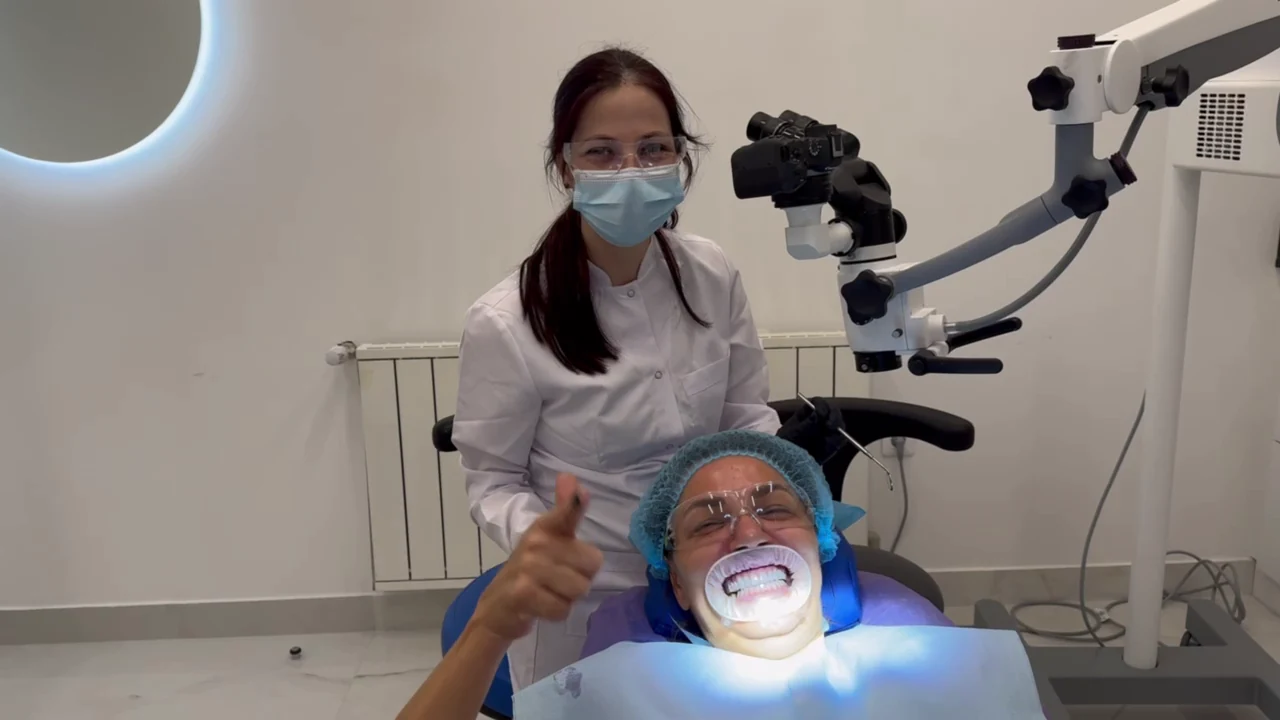
Toothache has a way of arriving at ten at night. It helps to know what is safe to do while you wait, what is probably behind it, and which signs mean it should not wait at all. This article follows the NHS and ADA guidance.
First: the signs that need urgent care
The NHS says to get emergency medical care if you have toothache and:
- the area around your eye or your neck is swollen, or
- swelling in your mouth or neck is making it difficult to breathe, swallow or speak.
It adds that you should not drive yourself: ask someone to take you, or call the emergency services (NHS). These signs do not wait for a dental appointment.
What can ease it while you wait
The NHS suggests:
- Painkillers such as ibuprofen or paracetamol (ask a pharmacist which is right for you), or a pain-relieving gel for the mouth.
- A salt-water rinse. Dissolve half a teaspoon of salt in a glass of warm water, rinse, then spit it out. Do not swallow it. Children should not do this.
- Soft foods, such as yoghurt or scrambled eggs, and try not to chew on the sore tooth.
- A soft toothbrush, and no flossing around the sore tooth.
And avoid sweet, very hot or very cold food and drink, and smoking, which the NHS says can make some dental problems worse.
The ADA adds two practical points: rinse your mouth with warm water to clean it, gently use floss to remove any food caught between the teeth, and do not put aspirin on the aching tooth or gum (ADA MouthHealthy). The NHS says children under 16 should not take aspirin.
What usually causes it
The NHS lists:
- tooth decay;
- a dental abscess;
- a cracked or damaged tooth;
- a loose or broken filling;
- an infection, often when a tooth such as a wisdom tooth has broken through the gum but does not have enough room to come through fully;
- problems with braces;
- gum disease;
- grinding your teeth;
- sensitive teeth.
Several of these have their own guides: chipped or cracked teeth, sensitive teeth and grinding.
When to book, and not wait
The NHS says to see a dentist if the toothache:
- lasts more than two days;
- does not go away when you take painkillers;
- comes with a high temperature, pain when you bite, red gums, or a bad taste in your mouth;
- comes with a swollen cheek or jaw.
Toothache is a symptom, so the pain easing does not mean the cause has gone. A cracked tooth, for example, cannot heal itself (Oral Health Foundation), and some teeth need their nerve treated. Do You Need a Root Canal Before a Crown? explains how that decision is made, and our root canal page shows what the treatment involves.
How we can help at Mineers
Our booking form has an option for "A tooth hurts". Pick it, or write to us on WhatsApp, +961 3 757 127, and tell us:
- which tooth, and how long it has hurt;
- what makes it better or worse (hot, cold, biting, lying down);
- whether you have any swelling, a fever, or a bad taste;
- any medicines you take.
A photo helps if you can see a chip or a swollen gum. We look at your answers and suggest the next step. The cause is confirmed once you have been examined. You can also book a private consultation.
Keeping it from coming back
The NHS says toothache is best prevented by keeping your teeth and gums healthy: have regular dental check-ups, cut down on sugary food and drink and keep it to mealtimes, brush for about two minutes twice a day with fluoride toothpaste, and clean between your teeth every day.
This article is general information, not a diagnosis, and it is not a substitute for emergency care. Treatment plans and results vary from person to person.