Visiting Beirut · 7 min read
Dental Implants in Beirut: What Australian Patients Should Know Before They Fly
Planning dental implants in Beirut from Australia? How 3D-guided treatment works, how the visits fit a trip, aftercare at home, and the questions to ask any clinic.
Mineers Smile Center
If you have family ties to Lebanon, there's a good chance someone at a family gathering has told you about having their implants done in Beirut. And if you've been quoted for implants in Australia recently, you may be wondering whether that's worth a closer look.
It can be, but not for the reasons most comparisons give. The question that decides a good implant is not the country; it is the planning, the surgery, and the aftercare. This post covers what that looks like at a digital clinic in Beirut, how the visits fit into a trip, what happens once you're back in Australia, and the questions every patient should ask before committing to any clinic, at home or abroad.
What Drives the Cost of an Implant
A single implant is three parts, billed together: the titanium implant placed in the jaw, the connector (abutment), and the crown on top. Some clinics quote only the implant itself at first, so always ask for the complete price per tooth before comparing.
Much of what an implant costs in Australia reflects what it costs to run a clinic there: rent, laboratory fees, compliance, and the general cost of living. The implant systems and surgical methods are available to clinics worldwide.
Private health insurance offers limited relief. Most extras policies cap implant benefits well below the actual cost, so check your own policy before planning around it.
At Mineers Smile Center, the cost of your implant treatment is discussed with you once your case has been assessed and your treatment is planned, so the estimate reflects your own mouth, not a headline figure.
The Quality Question: What Actually Matters
The fair question about any clinic is: what does the treatment actually include?
Implant systems are made by global manufacturers, and the component placed in your jaw comes from the same kind of catalogue wherever you are treated. Ask any clinic which implant system it uses; a good one will tell you straight away.
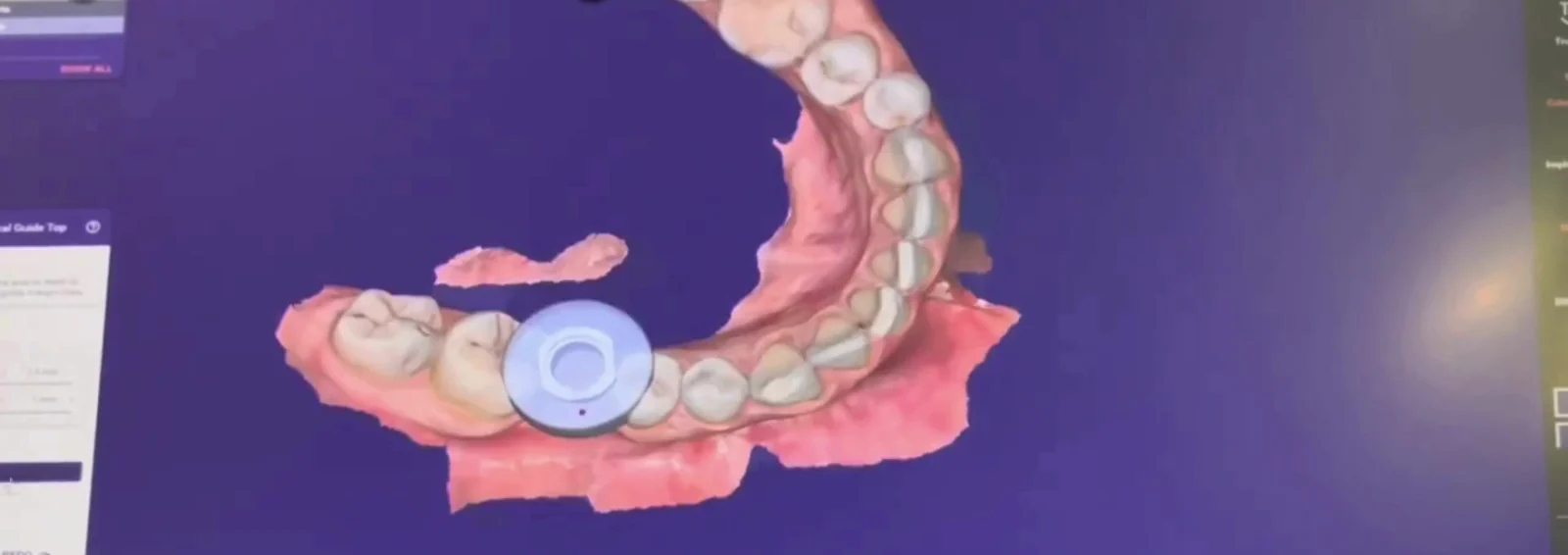
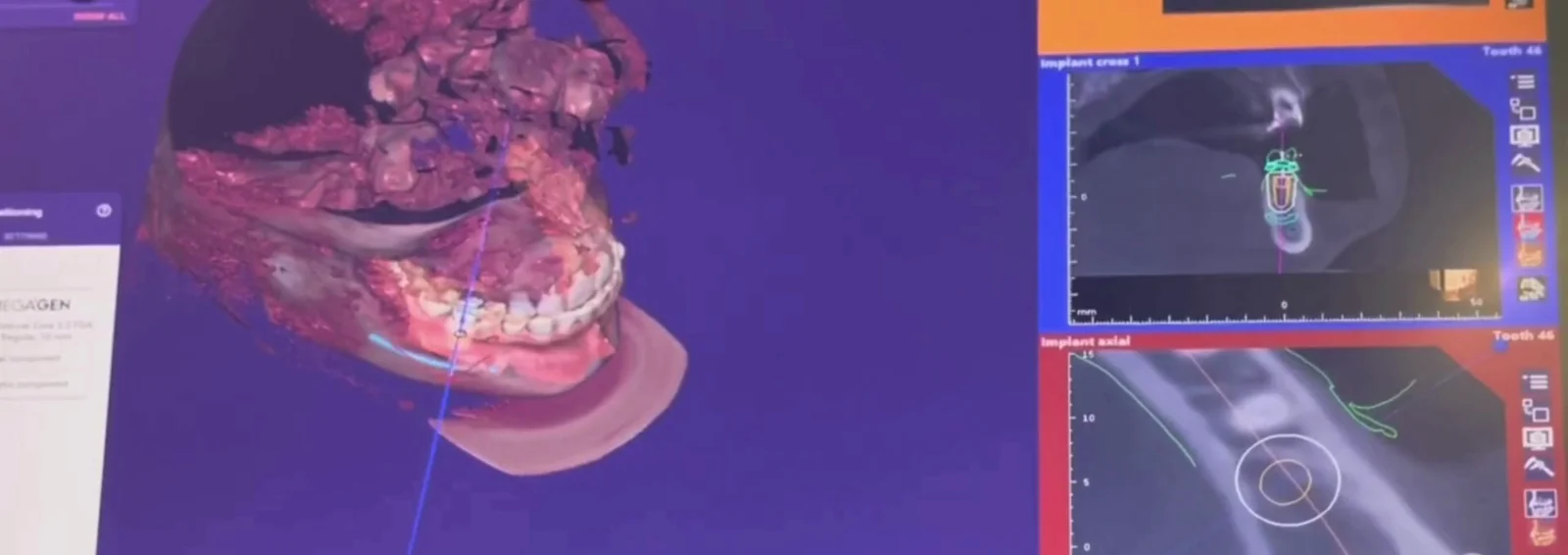
What matters beyond the brand is the workflow around it. At Mineers, implant treatment runs through a fully digital process: facial photos, a 3D scan of your teeth, and a 3D X-ray that maps your jawbone in three dimensions. From that data, the team plans the implant on screen, then designs a surgical guide around your anatomy.
That guide is the key detail for non-clinicians to understand. During surgery, it sits over your teeth and holds the drill exactly where the plan says it should go, rather than relying on freehand judgment. The angle, depth, and position are set by your own scan before the procedure begins. The result is a smaller opening, a shorter procedure, and an outcome that is far more predictable.
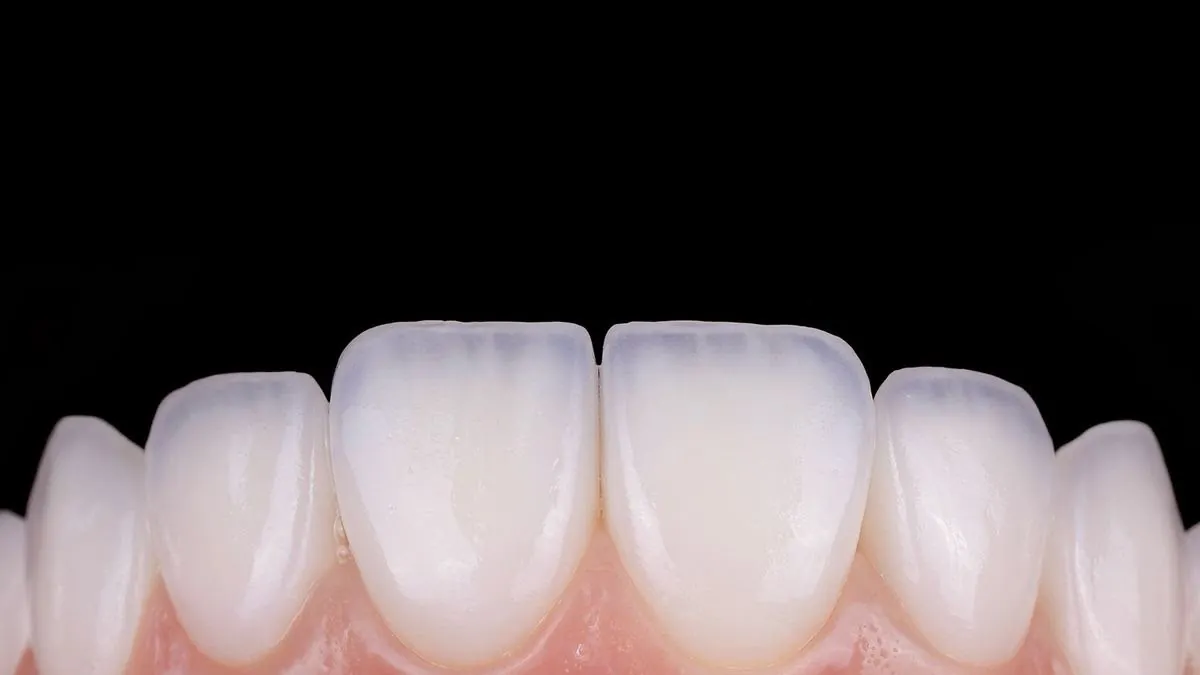
Where the new teeth show when you smile, Mineers also offers Testineers, our smile try-in: a 3D-printed mock-up of the planned smile that you try on before anything is done.
How the Visits Fit Into a Trip
An implant usually takes two visits. The first covers the consultation, the 3D scans, and placement of the implant. The second, three to six months later once the implant has fused with the bone, is for the final crown. Many Lebanese Australians time these visits with their annual trips home. If a temporary tooth can be fitted during the first trip, the team will tell you when planning your case.
For multiple implants, a full arch, or a combination of treatments, planning around a trip becomes more valuable, because more of the work happens in each visit. If you are replacing a single tooth, weigh the travel and the two visits carefully against treatment at home.
For Lebanese Australians already travelling home for family, the calculation is simpler: the dental work fits into a trip that was happening anyway, much like timing clear aligner treatment around a visit to Beirut.
After You Fly Home: Aftercare and Risk
Let's be direct: if something needs attention after you land back in Sydney or Melbourne, your local dentist will be the one to see it. That is a real consideration, and it deserves a straight answer rather than a reassuring dismissal.
You leave Mineers with your aftercare instructions, and implants include a follow-up window; the clinic stays a message away on WhatsApp or by email. Ask for your records to take home, including your scans and the details of the implant and crown, so any dentist can see exactly what was placed and where.
How likely is a complication? While the implant heals, mild swelling and temporary sensitivity are the most common experiences, and both are usually easy to manage. Serious surgical complications are uncommon with guided placement, because the surgical guide reduces the positioning errors that are linked to implant problems; one clinical review reports 98.9% survival for guided implants over several years of follow-up.
Before you travel, take two practical steps. Tell your dentist in Australia that you are having the procedure in Beirut, and ask them to be your local contact when you return. Carry your treatment records home, both digitally and on paper.
On insurance: Australian policies differ in how they treat overseas dental work and the local management of any complications, so check the wording of yours before booking flights.
For Lebanese Australians: The Trip You Were Already Planning
If you are already planning a trip to Beirut, for family, a wedding, or simply to reconnect, the decision looks different. The flight is booked either way. Adding implant treatment at Mineers does not create a new trip; it makes an existing one work harder.
This is how many of Mineers' patients from abroad already think about it. Lebanese living in Australia, Canada, and Europe plan treatment around their visits to Beirut instead of fitting appointments into a busy calendar at home. The clinic's way of working suits that, because each visit is planned to get as much done as the treatment allows.
Planning from home removes the slow part. Before you arrive, photos of your teeth or a recent X-ray, sent on WhatsApp, are enough for the team to recommend a treatment and give you an estimate. Your first appointment then moves straight into scanning and planning. Our page on visiting Beirut for treatment explains the process step by step.
For many patients from abroad, there is also something beyond the practicalities: being cared for in Beirut, by a clinic with deep roots in the city. That is worth naming without overstating it.
Mineers was founded in 2005 and holds 5.0 on Google from 174 reviews. Both are easy to check before you book a single appointment.
Questions to Ask Any Implant Clinic Before You Commit
Whether you're considering a clinic in Sydney or one in Beirut, these questions apply equally. A good clinic will answer all of them without hesitation.
Surgical technique and technology
- Does the clinic take a 3D X-ray and use a surgical guide, or is the implant placed freehand?
- Which implant system will be used? (Ask for the manufacturer by name.)
- Where is the crown made, and from what material: zirconia, porcelain fused to metal, or something else?
Fees
- Does the quote cover the implant, the connector, the crown, the surgical guide, and follow-up appointments, or are they billed separately? A low headline figure can climb once every part is listed.
Records
- Will you receive your scans and the details of the implant when treatment is complete? They let any dentist, wherever you are, continue your care without starting from scratch. This is often the most overlooked question of all.
Patients from abroad
- How is treatment scheduled for patients travelling in? Can planning begin before you arrive?
- If something needs attention after you return home, how do you reach the treating dentist?
No careful clinic, in Australia or overseas, should find these questions inconvenient. If one does, that tells you something useful before you commit.
The Bottom Line
The things that make an implant succeed are the same everywhere: a 3D X-ray, a digital plan, a surgical guide, a well-made crown, and clear aftercare. Those are available in Beirut, and at Mineers they are part of every implant plan.
For multiple implants and full-arch treatment, and for patients already visiting family in Lebanon, planning treatment around a trip can make real sense. For a single implant, weigh the two visits carefully.
The area that deserves the most honest attention is aftercare. Coming home with a new implant means your local dentist needs to know what was placed and how, so take your records with you. If you are still weighing implants against other options, Dental Implants vs Bridges: Which Tooth-Replacement Option Lasts Longer? covers the key differences.
When you are ready for a clear picture of what your treatment would involve, book a private consultation or call +961 3 757 127. There is no commitment, just a plan and an estimate for your own case.