Implants · 4 min read
Missing a Tooth? What Happens If You Wait and What Your Options Are
One missing tooth is easy to live with at first. What the gap can do over time, the three ways to replace a tooth, how an implant is built in three phases, and what to ask before you decide.
Mineers Smile Center
One missing tooth is easy to live with at first. You chew a little more on the other side, you smile a little differently, and you tell yourself you will deal with it later. That is a very human way to decide. The useful question is what the gap does in the meantime, and what your choices are when you are ready.
What a gap can do over time
The American Dental Association (ADA) says a large space between your teeth may affect how you speak or eat, and that even when it is not noticeable, a missing molar can affect how you chew. It adds that the remaining teeth may shift and that, in some cases, bone loss can occur around a missing tooth (ADA MouthHealthy).
The ADA's wording is careful: may shift, can occur. None of these changes is certain, and how fast they happen differs from one mouth to the next. That is a good reason to have a dentist look at the gap, and not a reason to panic. The ADA also notes that the average adult between 20 and 64 has three or more decayed or missing teeth, so you are far from alone.
Three ways to replace a tooth
| Option | What it is | Worth knowing |
|---|---|---|
| Bridge | A false tooth anchored to the teeth on either side of the gap; fixed or removable, depending on your mouth. | Needs healthy teeth on both sides to hold it (Cleveland Clinic). |
| Denture | A removable set of teeth. | The ADA describes it as the option if you have lost all or most of your teeth. |
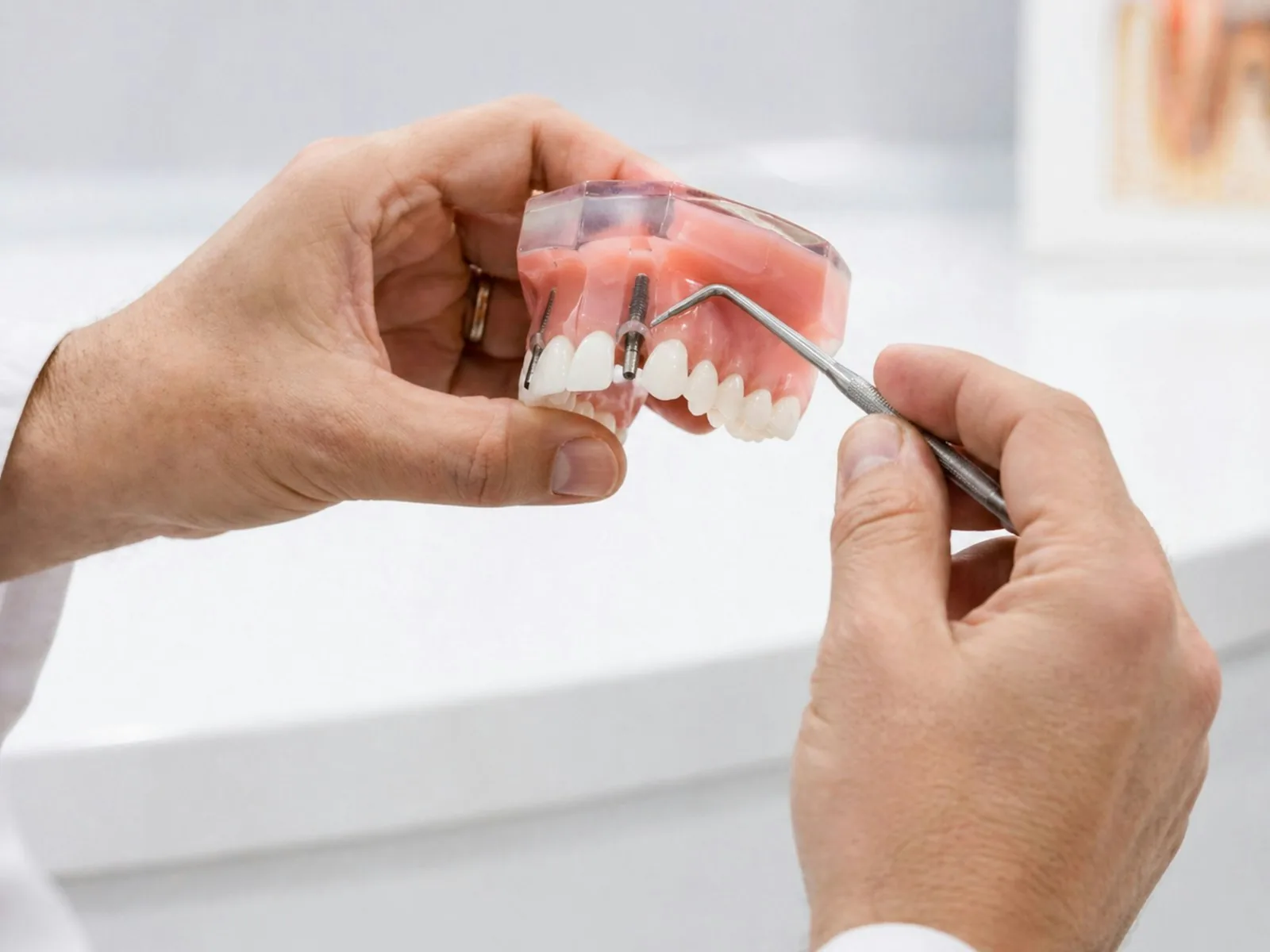
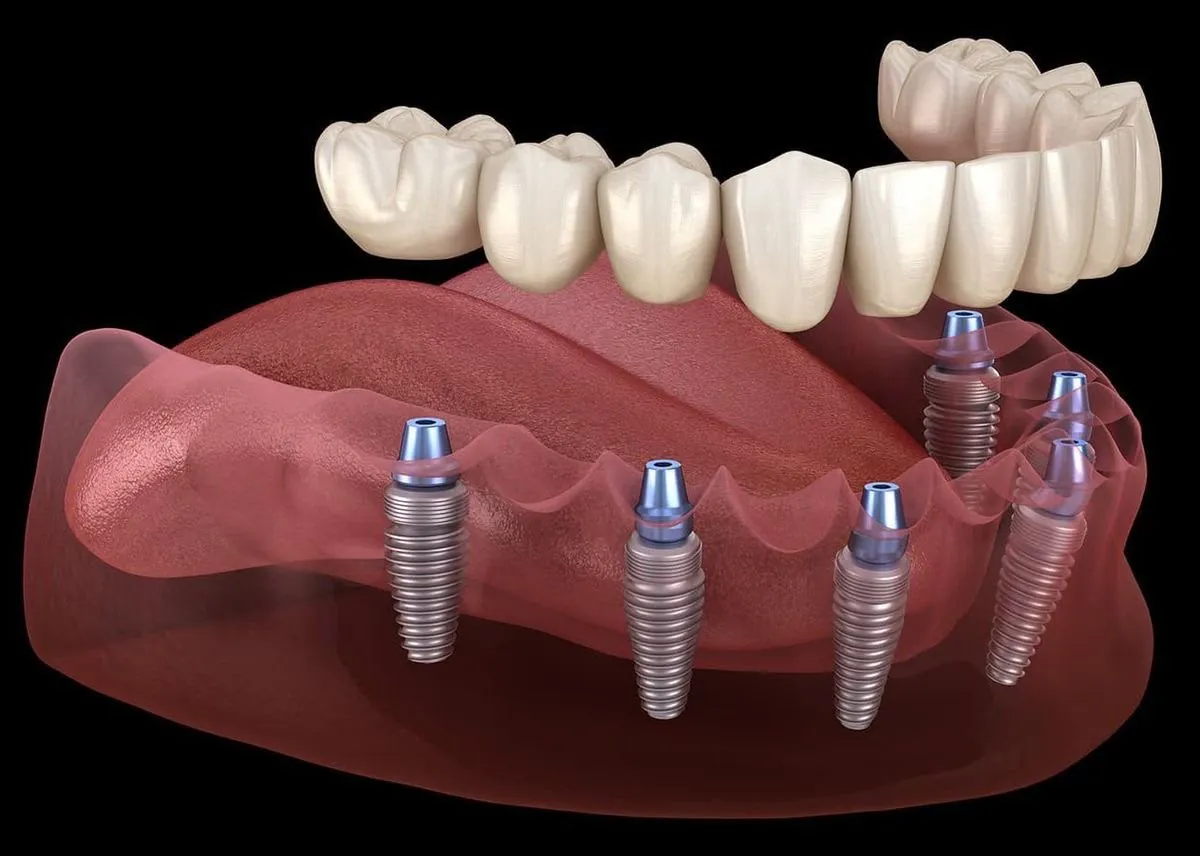
| Implant | A titanium post in the jawbone that works as a new root, with a crown on top. | The ADA calls it the option most similar to a natural tooth, and notes that it does not need good tooth structure removed, as a bridge does. |
For a closer comparison of the first and last, read Dental Implants vs Bridges.
How an implant is built, in three phases
The ADA describes three phases (ADA MouthHealthy):
- Placement. The dentist places the implant in the jawbone. You may be advised to eat soft and cool foods while it heals.
- Healing. The bone grows around the implant and holds it in place, a process called osseointegration. It takes time, up to several months for some patients, while others can have the implant and the new tooth in one visit.
- The new tooth. A crown is made to match your other teeth in size, shape, colour and fit. A temporary one can bridge the wait.
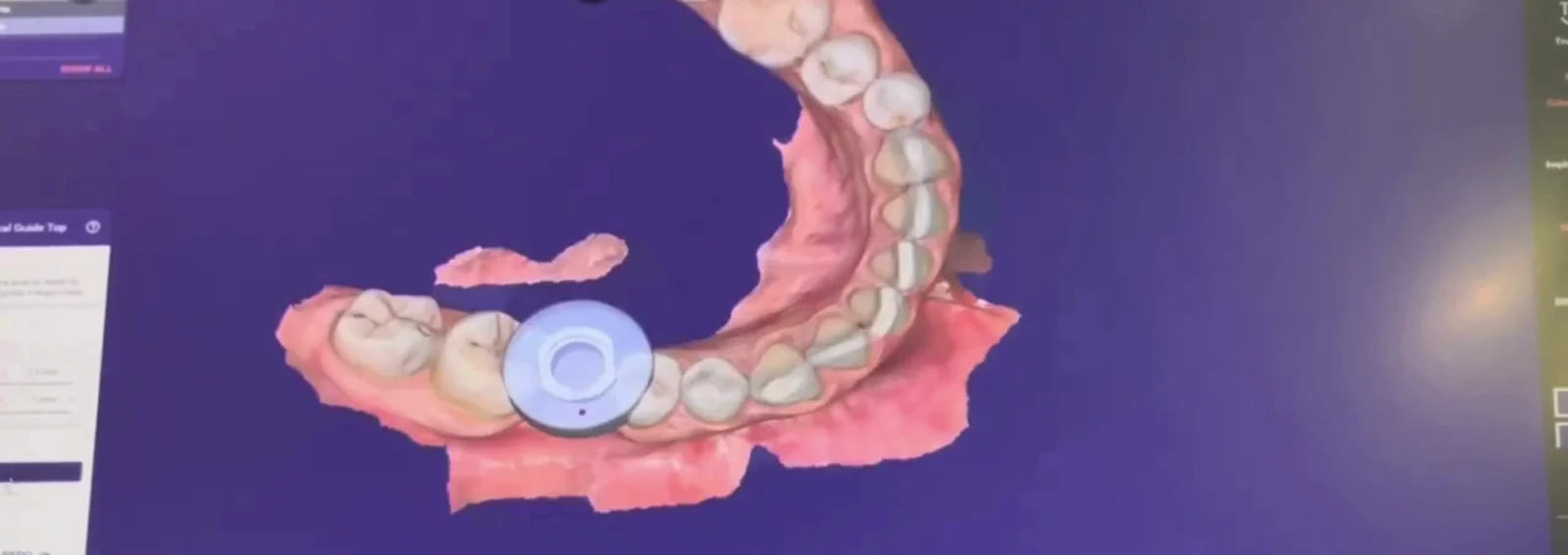
On our dental implants page the stages are the same, with the details of our own way of working: a 3D X-ray shows how much bone you have and where the nerves run, the position is planned on screen, and a printed guide holds the drill where the plan says. The page lists surgery at 30 to 60 minutes and healing at 3 to 6 months, with a temporary tooth in the meantime. What Is Osseointegration? explains the healing step.
Who can have an implant?
The ADA says your general health matters more than your age. Chronic illnesses such as diabetes may interfere with healing after surgery, and using tobacco can slow healing too. A medical check by a physician may come before surgery. A public-health guide from the Victorian Government adds that smokers and vapers have less success with dental implants (Better Health Channel); our guide to smoking, vaping and your smile covers that.
For most healthy adults the deciding factor is the bone. That is why the 3D scan comes first: it tells you, and us, whether an implant will work in your case.
Questions to ask at a consultation
- What are all my options for this tooth, and why would you choose one over another?
- What does the scan show about my bone?
- How many visits will I need, and how long is the gap between them?
- What will I have in the gap while the implant heals?
- How do I look after the new tooth, and how often should it be checked?
Missing more than one tooth? Single Implant, Several Teeth or a Full Arch? shows how a plan changes with the number of teeth.
Ready to talk it through? Book a private consultation, or send a short note on WhatsApp, +961 3 757 127.
This article is general information, not a diagnosis. Treatment plans and results vary from person to person.