Veneers · 4 min read
Do Veneers Damage Your Teeth? What Preparation Really Involves
A straight answer on the most common worry about veneers. What happens to the tooth, why the step cannot be undone, when composite needs less, who should wait, and how to look after them.
Mineers Smile Center
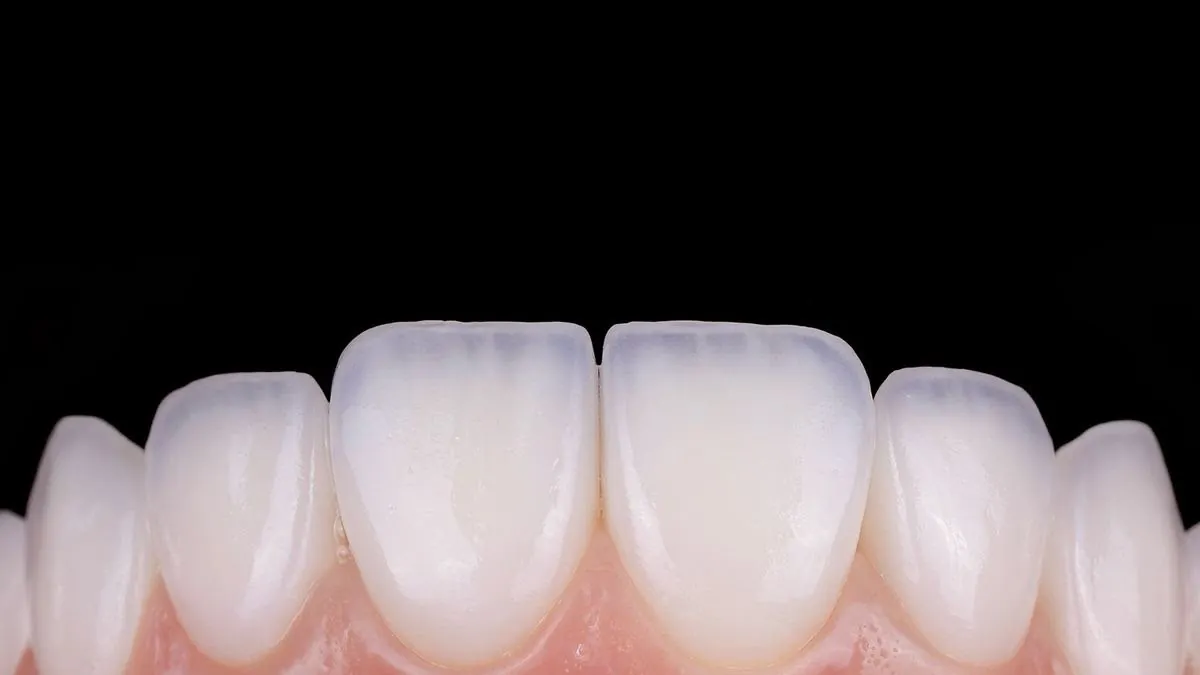
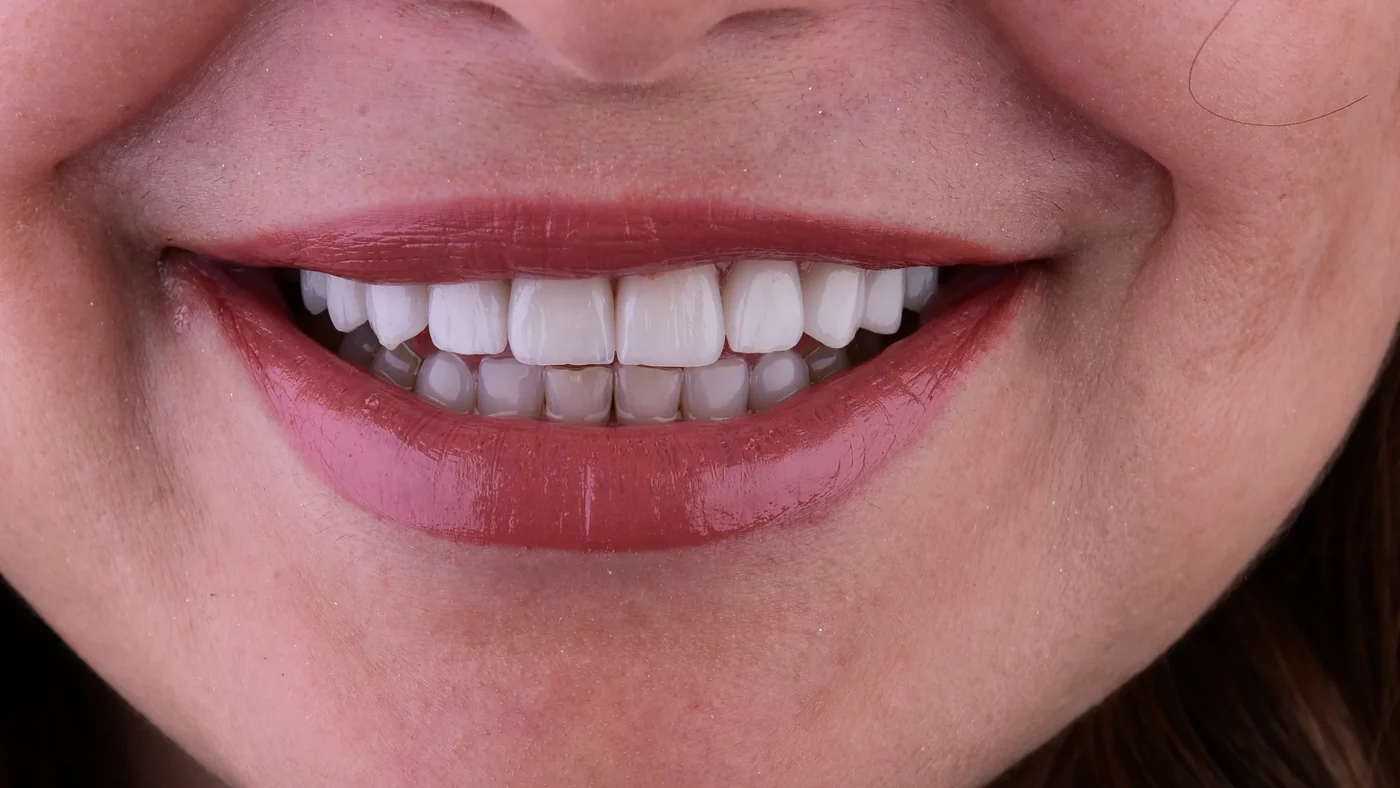
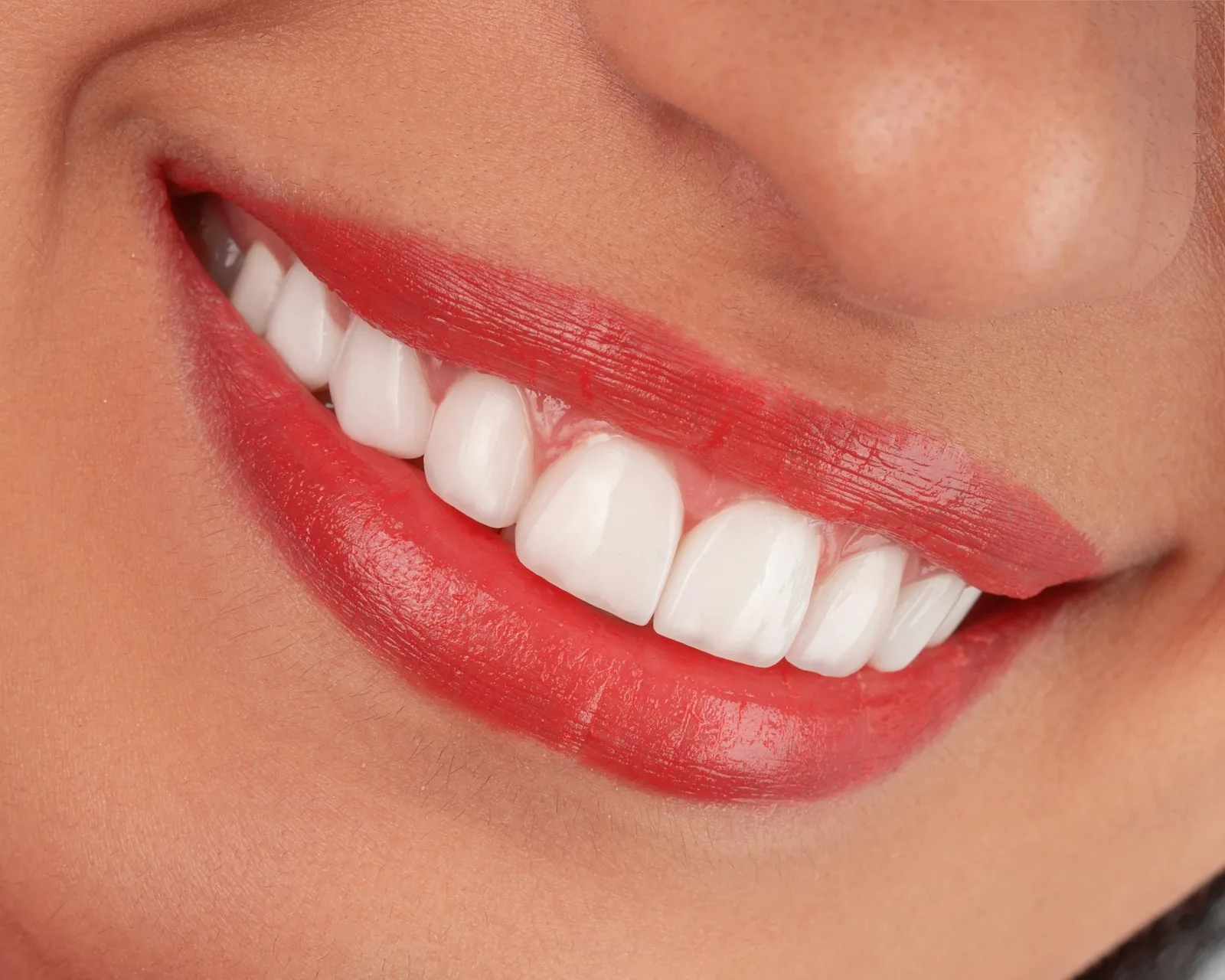
"Do veneers ruin your teeth?" is the question people ask most often before a consultation, and it deserves a straight answer. Veneers are a trade. To place one, a thin layer of the tooth is shaped, and that step cannot be undone. Whether the trade is a good one depends on your teeth and on how carefully the work is planned.
What happens to the tooth
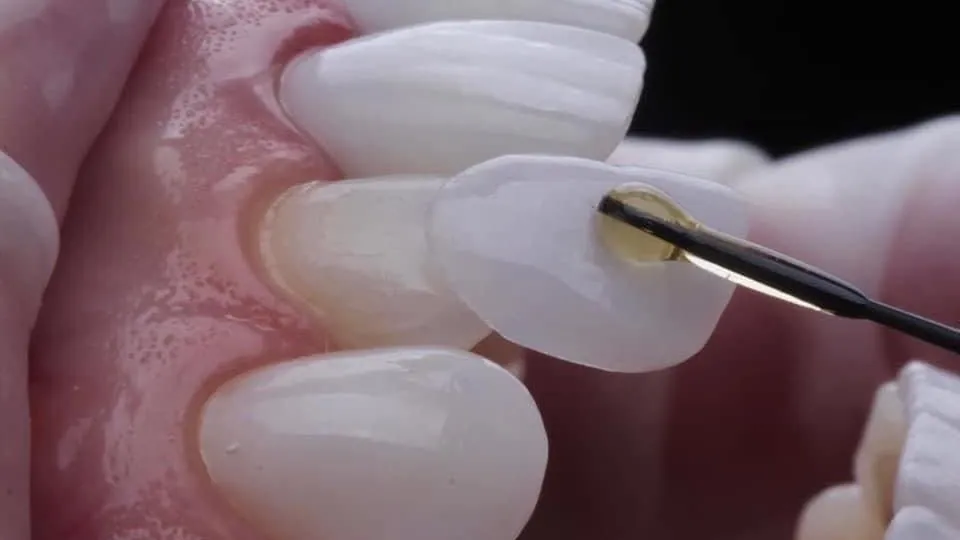
The American Dental Association (ADA) describes the steps for a porcelain veneer. The dentist prepares the tooth by removing a small amount of enamel from the front and sides, takes an impression or a 3D scan, and sends it to a dental lab where a technician makes the veneer. You may wear a temporary veneer until yours is ready. At the next visit the veneer is tried on, adjusted, and bonded to the tooth (ADA MouthHealthy).
The ADA states plainly that treatment is not reversible, because tooth enamel is removed to place a veneer. Our porcelain veneers page describes the same step in our own words: a small amount of enamel is gently removed, the area is numbed if needed, and temporary veneers are worn while yours are made.
So the honest answer is that your tooth is changed, on purpose, and a veneer does the job of the layer that was removed. What matters is how little is taken, and whether it was worth taking.
Is composite different?
The ADA says composite veneers, made from tooth-coloured filling material bonded to the tooth, may need less enamel removed and fewer visits, and are easier to fix if damaged. The price of that is that they are not as stain- or wear-resistant as porcelain. On our composite bonding page, bonding usually needs little or no removal of enamel and is done in one visit. Porcelain Veneers vs Composite Bonding compares the two.
Who should wait, or think twice
The ADA lists the situations in which veneers may not suit you:
- Problems underneath. Your dentist must treat decay or gum disease first. Placing veneers over unhealthy teeth may worsen existing dental problems.
- Clenching or grinding. If you clench or grind your teeth, or have a deep overbite, veneers may not be a good choice. Our guide to grinding explains the signs.
What can go wrong later
The ADA says a veneer may chip, crack, wear down or loosen over time, so that it needs to be re-bonded, repaired or replaced. You can also still get cavities under or around a veneer, because the tooth is still there. Replacing Old Veneers covers what a redo involves.
How to look after them
The ADA's advice for veneers is simple:
- avoid biting your nails or chewing hard objects and foods;
- wear a mouthguard for sport or any activity that could injure your mouth;
- be careful with foods and drinks that stain, such as coffee, tea or red wine;
- brush with fluoride toothpaste twice a day and clean between your teeth daily.
What to Eat After Getting Porcelain Veneers has more on the first days.
Reducing the risk before you decide
Because the step cannot be undone, the decision is best made slowly and with something to look at:
- See the design first. Every veneer case at Mineers begins with a Digital Smile Design preview, so you approve the result on screen before treatment starts, and a 3D-printed mock-up lets you try it on before any tooth is prepared (A Smile Preview Is a Plan, Not a Promise).
- Ask how much will be removed, and why that amount.
- Ask about the alternatives for your goal. Five Questions to Ask Before You Say Yes to Veneers lists what to put to any dentist.
- Choose a licensed dentist. The ADA warns that veneers placed by unlicensed individuals can carry risks of infection and nerve damage, and may be placed over unhealthy teeth.
Want to see what a design would look like on your own smile? Book a private consultation, or send photos on WhatsApp, +961 3 757 127.
This article is general information, not a diagnosis. Treatment plans and results vary from person to person.